Introduction: The Sacred in the Ordinary
In the rush of our modern lives, we often move from one task to the next without pause, treating our days as a series of obligations to be fulfilled. We seek out grand escapes and luxury wellness retreats to find peace, yet we often overlook the potential for sanctuary within our own daily lives. A Ritual is the intentional act of turning an ordinary moment into a sacred one. It is a way to anchor ourselves in the present, providing a sense of stability and meaning amidst the chaos of the world.
At Holistic Hotel, we believe that the "sanctuary effect" should not be reserved for travel alone. By incorporating mindful rituals into our daily routines, we can cultivate a sense of peace and harmony that sustains us long after we return from a retreat. It is about finding the sacred in the ordinary and creating a life that feels like a sanctuary.
The Anatomy of a Ritual: Intention, Action, and Presence
A ritual is different from a habit. While a habit is something we do automatically, a ritual is something we do with full awareness and intention. It consists of three core elements:
- Intention: The "why" behind the act. Whether it's to find calm, express gratitude, or set a focus for the day, the intention provides the ritual with its power.
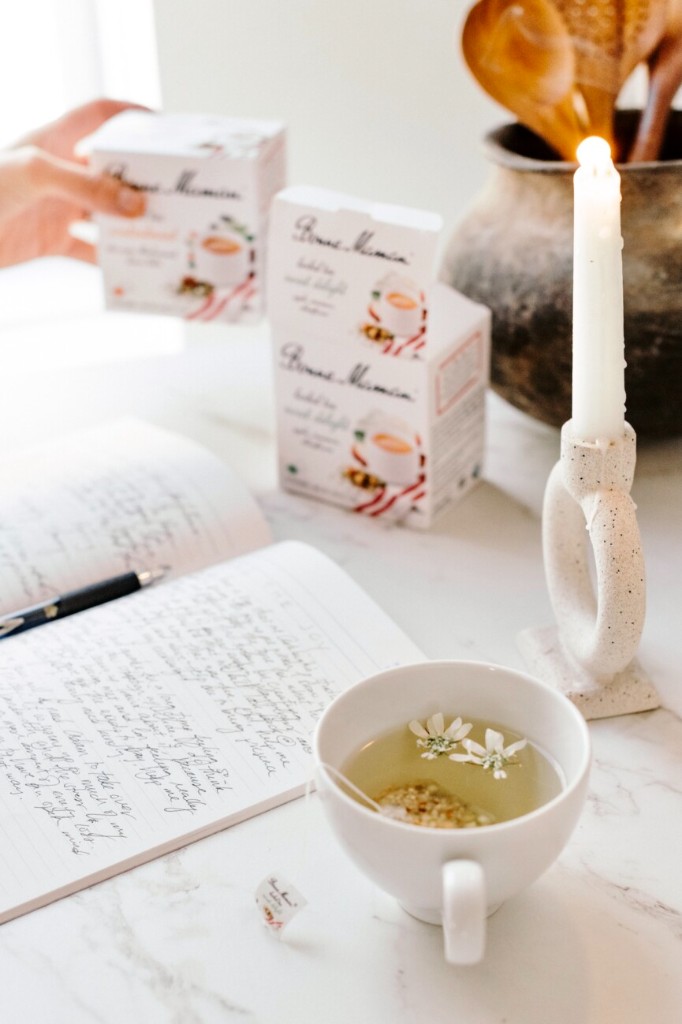
- Action: The physical act itself. This could be as simple as lighting a candle, brewing a cup of tea, or taking three deep breaths.
- Presence: The "how" of the act. It requires being fully present in the moment, engaging your senses and noticing the subtle details of the experience.
By combining these elements, we create a bridge between our internal state and our external environment, allowing us to shift our energy and find a sense of mindfulness.
Daily Rituals for a Mindful Life
Creating a sanctuary at home doesn't require elaborate ceremonies. It begins with small, consistent practices that nourish your spirit:
- The Morning Threshold: Before you step into the demands of the day, create a morning ritual that grounds you. This could be a five-minute meditation, a series of gentle stretches, or simply standing outside and feeling the air on your skin.
- The Culinary Pause: Turn your meals into a ritual of nourishment. Set the table, put away your phone, and take a moment to appreciate the colors, scents, and flavors of your food.
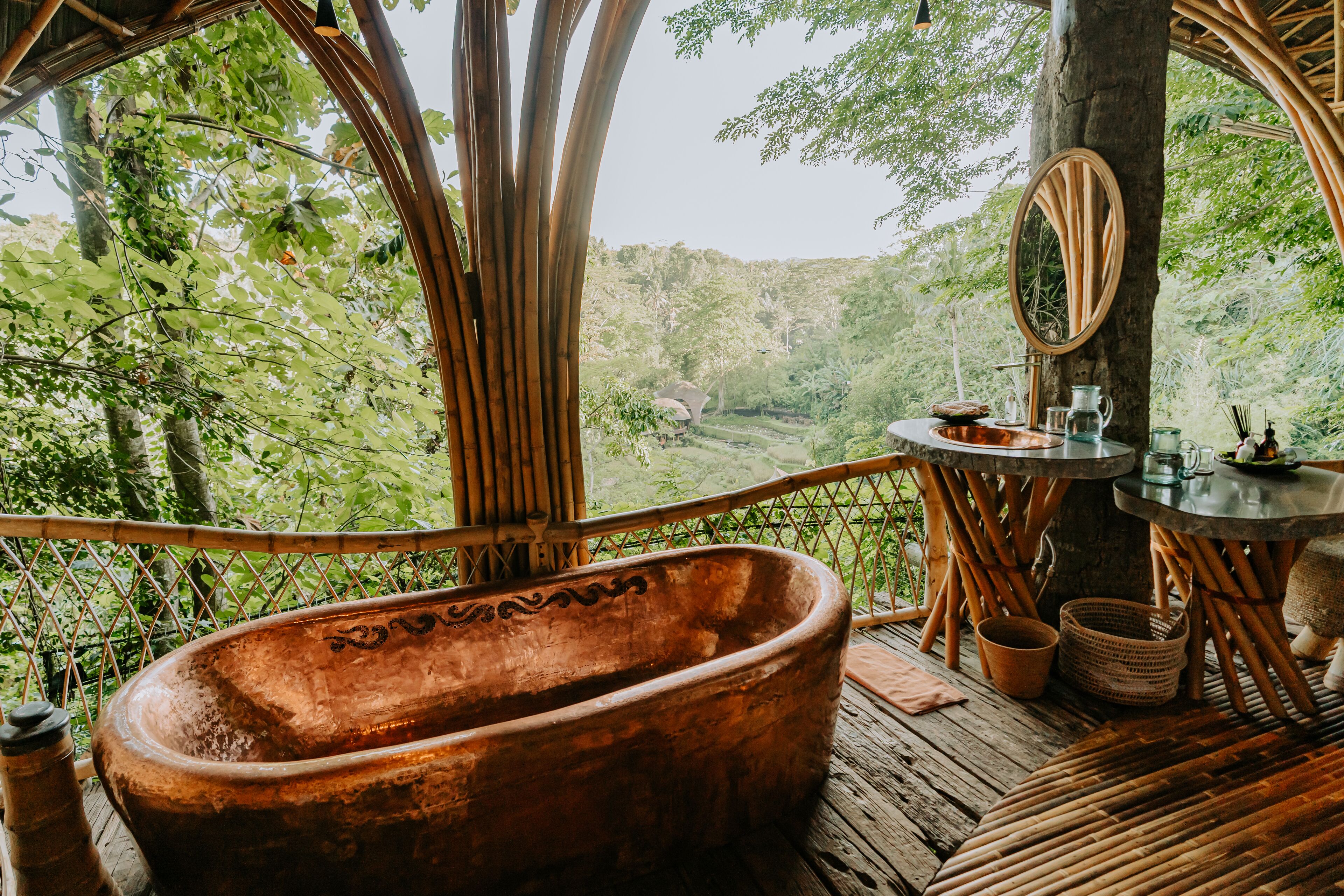
- The Evening Release: Create a ritual to mark the transition from work to rest. Light a stick of incense, take a warm bath with Epsom salts, or write down three things you are grateful for from the day.
These rituals serve as "islands of calm" in your day, providing a sense of continuity and peace that helps to reduce stress and improve overall well-being.
Bringing the Retreat Home: Inspiration from Global Sanctuaries
Many of the world's most exceptional holistic hotels are built upon the power of ritual. In the Himalayas, Ananda incorporates the ancient ritual of the Aarti—a fire ceremony on the banks of the Ganges—to foster a sense of spiritual connection. In the Italian Alps, Preidlhof uses the ritual of "Earth Walking" to help guests ground themselves in the natural world.
We can draw inspiration from these global sanctuaries to enhance our own daily rituals. Whether it's the Japanese art of tea-making or the Moroccan tradition of the hammam, these practices remind us that wellness is a journey of small, intentional acts.
The power of ritual lies in its ability to transform our relationship with time and space. By creating a sanctuary in our daily lives, we honor ourselves and the world around us. We find that peace is not something to be found "out there," but something to be cultivated within. Explore our curated collection of holistic hotels worldwide and find inspiration for your own journey of mindful living.
Frequently Asked Questions
What is the difference between a habit and a ritual?
A habit is an automatic behaviour performed with minimal conscious attention — brushing teeth, checking email. A ritual is a deliberate, meaning-laden practice performed with full presence. Rituals mark transitions (morning to work, day to evening), create psychological boundaries, and anchor identity. The difference is not what you do, but how consciously you do it.
How do I start a daily wellness ritual without it feeling forced?
Begin with one small, sensory anchor — the smell of a particular tea, five minutes of stillness before opening your phone, or a short walk at the same time each day. Keep the ritual under ten minutes initially. Consistency matters more than duration. After three weeks of daily practice, the ritual begins to feel natural rather than effortful.
Can wellness retreats help me establish rituals I can maintain at home?
Yes — this is one of the most valuable outcomes of a structured retreat. Properties with daily programming — morning yoga, meditation, communal meals — model what a ritual-rich day looks like. Ananda in the Himalayas and Chiva-Som are particularly strong at teaching guests practices they can integrate into home life.
What rituals do the world's most mindful cultures practise daily?
Japanese tea ceremony, Ayurvedic dinacharya (daily routine), Scandinavian morning cold exposure, and Balinese offering rituals all share common elements: intentional slowness, sensory awareness, and marking the transition between rest and activity. Our guide to morning rituals of mindful cultures explores these traditions in depth.