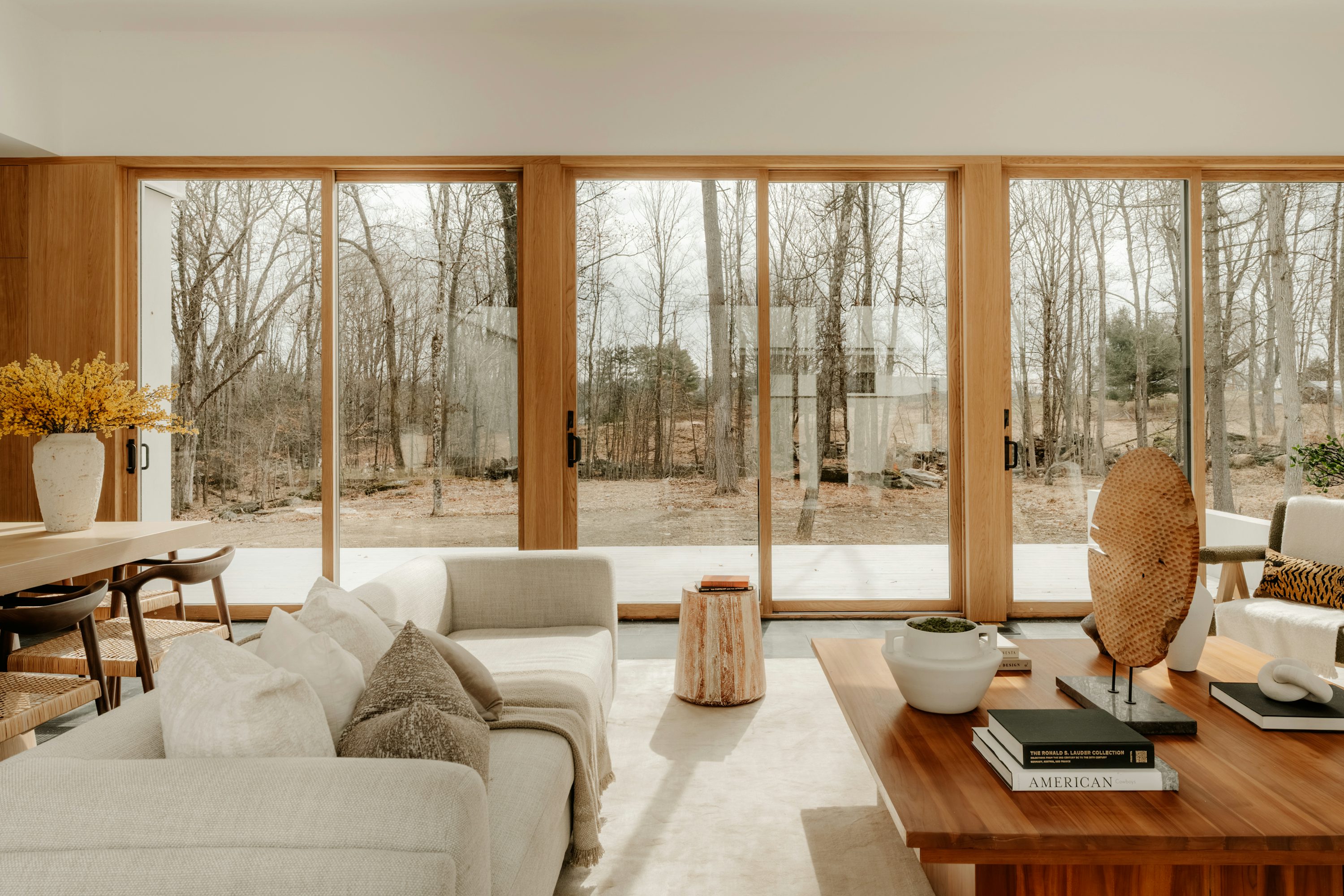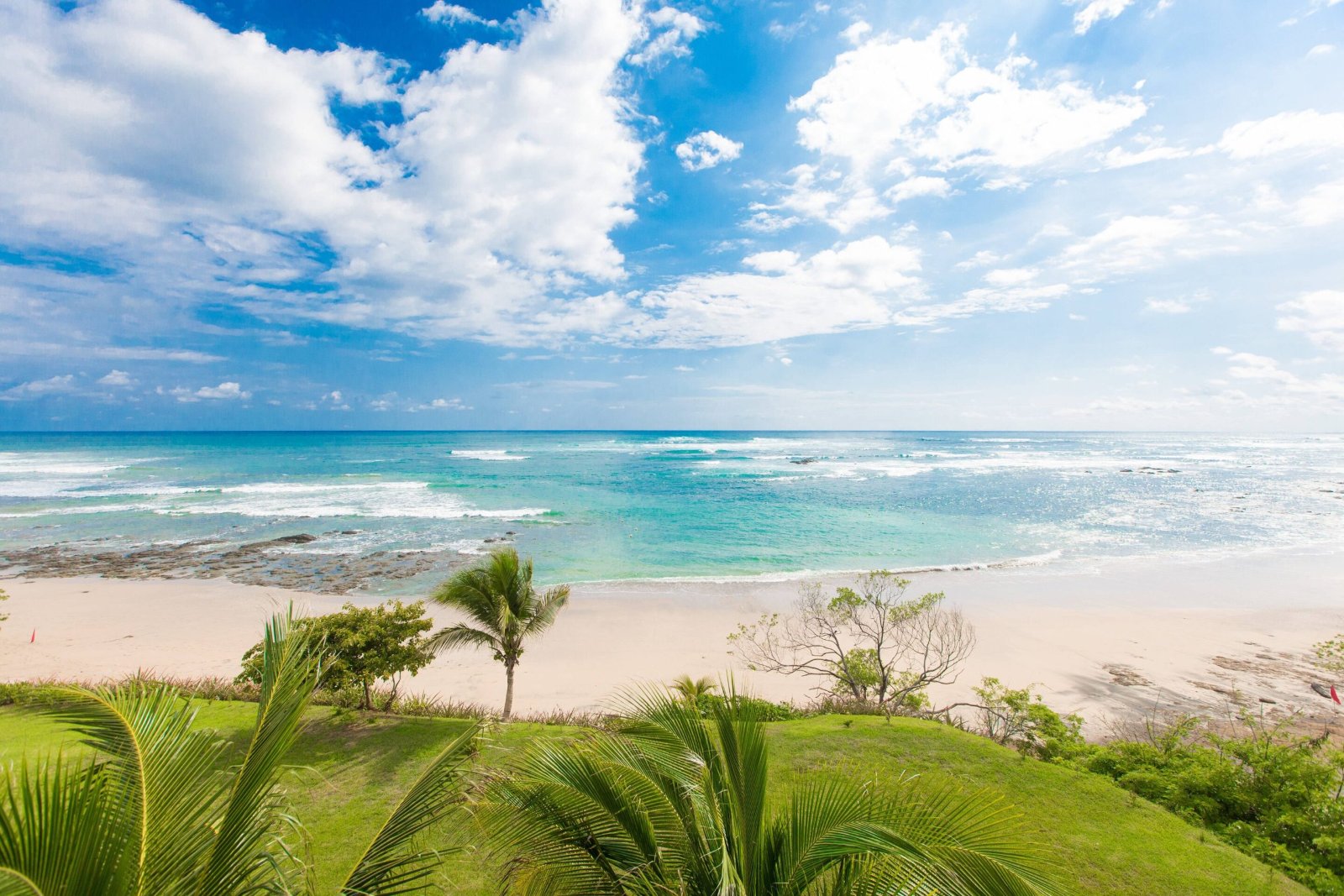
In the early 2000s, Dan Buettner and a team from National Geographic identified five geographic regions where people were reported to live to one hundred at unusually high rates. Buettner's team argued the pattern was not genetic. The people of Okinawa, Sardinia, the Nicoya Peninsula, Ikaria, and Loma Linda shared almost no DNA. What they shared was a set of daily habits — documented with enough rigour to earn a name. The Power Nine.
Five Regions, One Pattern
The five Blue Zones are geographically and culturally distinct. Okinawa is Pacific island Japan, Sardinia is Mediterranean pastoralism, the Nicoya Peninsula is tropical Central American cattle country, Ikaria is an Aegean island the rest of the world has largely left alone, and Loma Linda is a Seventh-day Adventist community in the California desert. The dietary staples, the languages, the spiritual traditions, and the physical landscapes have almost nothing in common. What they share is structural: movement embedded in daily life rather than scheduled separately; a community that holds shared expectations of engagement and contribution; an eating pattern that favours plant foods and builds in a natural stopping point; and a relationship with stress that treats it as something to discharge in a daily rhythm rather than accumulate until collapse. These are not lifestyle choices in the conventional sense. They are the outcomes of environments designed, often over centuries, to make healthy behaviour the default.
Movement That Doesn't Know It's Exercise
The research finding that most consistently surprises people who study the Blue Zones is that none of the centenarians in any region maintained a deliberate exercise programme. No gym memberships, no scheduled runs, no workout routines. What they had instead was a physical environment that required movement — and a daily rhythm of tasks that made that movement unavoidable. In Sardinia's mountainous Barbagia region, the pastoral economy meant daily walking on steep terrain carrying real weight. In Okinawa, low furniture required the body to rise from the floor dozens of times each day, maintaining leg strength and hip mobility that disappears in sedentary populations. In Nicoya, the agricultural pattern built cardiovascular activity and physical labour into a lifestyle that framed these not as exercise but as purpose. The distinction matters. The physiological outcomes of incidental, purposeful movement are comparable to or superior to those produced by scheduled gym work, with none of the adherence problem. You do not need motivation to walk to your field. You need a field.
The Social Architecture of Long Life
Blue Zone centenarians lived within social structures that expected and enabled their continued contribution. In Okinawa, the moai — lifelong social groups of five to six people, typically formed in childhood — provide social accountability, mutual support, and a community of expectation that keeps individuals engaged and purposeful into their nineties and beyond. In Sardinia, the intergenerational household is not a welfare solution but a social norm: grandparents live with and actively parent the family, which reduces mortality rates for both generations. In Ikaria, the pattern of late social evenings and extended communal meals functions as a daily stress-discharge ritual that prevents the chronic cortisol elevation associated with loneliness and isolation. The data on social connection and longevity is now as robust as the data on diet. Social isolation carries a mortality risk comparable to smoking fifteen cigarettes a day. The Blue Zones are places where that risk is structurally eliminated by how life is organised.
What They Eat — and When They Stop
The dietary pattern shared across the Blue Zones is plant-forward but not prescriptive. Beans, lentils, and legumes appear in every region as dietary staples. Meat is consumed rarely and in small quantities, typically as a condiment rather than a centrepiece. Processed foods are structurally absent — not through discipline but through the absence of the infrastructure that would make them available. The Okinawan practice of hara hachi bu — stopping eating when approximately eighty percent full — is often explained by the idea that fullness signals take about twenty minutes to register. Eating to fullness consistently produces overeating. Eating to a fixed social or cultural cue stops this cycle before it begins. The Sardinian pattern of moderate daily wine — specifically local Cannonau, a variety with exceptionally high polyphenol levels — consumed with food and in company illustrates the principle that the context of consumption matters as much as the content. The same quantity consumed slowly in social context produces different physiological outcomes than the same quantity consumed alone.
Where Retreats and Blue Zone Principles Converge
The most compelling wellness retreats are not those that market Blue Zone principles — they are those whose operational philosophy already embodies them without requiring the label. Blue Spirit Costa Rica sits on the cliff edge above Nosara's Guiones Beach on the Nicoya Peninsula — one of the five original Blue Zones. The surrounding community is not a wellness construct; it is the actual demographic phenomenon that Buettner's research documented. The retreat's plant-based organic cuisine, its communal daily programme of yoga and meditation, and the quality of human connection that develops among guests over a multi-day stay replicate the structural conditions of Blue Zone life within an immersive programme. Euphoria Retreat in the Peloponnese draws explicitly on the Greek concept of eudaimonia — the flourishing life that Aristotle described not as the absence of disease but as the full expression of human potential. Its programme integrates the Mediterranean diet, hydrotherapy inspired by Byzantine bathhouses, and a philosophical framework that positions purpose and community as wellness tools. The Spartan foothills setting and the proximity to Mystras situate this work in a landscape that has been cultivating longevity wisdom for two thousand years. Eremito Hotelito del Alma in Umbria applies the Blue Zone down-shift principle in its most radical available form. The monastery rhythm of simple communal meals, early sleep, silence, and purposeful daily movement through the oak forest eliminates stress accumulation with the same structural logic the Blue Zones use — not through individual effort but through environmental design. The medieval hermitage is not trying to apply longevity science. It is, in its own language, practising the same thing.
The Principles You Can Apply Now
The Blue Zone research is ultimately an argument for structural change rather than individual discipline. Building movement into the physical environment is more effective than scheduling exercise. Maintaining social obligations that require showing up is more effective than motivating yourself to socialise. Keeping processed food out of the kitchen is more effective than resisting it. None of this requires a relocation to Nicoya. It does require examining the environment you have built for yourself — your daily movement, your social architecture, your eating rhythm — and asking whether it is designed to make healthy behaviour the default, or whether it is demanding continuous acts of will to override a structure that works against you. The centenarians of the Blue Zones are not exceptional people. They are ordinary people in well-designed environments.
FAQ
What are the Blue Zones?
The five Blue Zones, identified by researcher Dan Buettner and National Geographic, are geographic regions where people consistently live to one hundred at significantly higher rates than global averages: Okinawa, Japan; Sardinia, Italy; the Nicoya Peninsula, Costa Rica; Ikaria, Greece; and Loma Linda, California. The commonality is lifestyle pattern rather than genetics or geography.
What is the Power Nine?
The Power Nine is the set of nine lifestyle habits shared across all five Blue Zones: natural movement, a sense of purpose, daily stress-discharge rituals, the eighty-percent eating rule, a plant-forward diet, moderate social drinking with food, belonging to a values-based community, prioritising family, and maintaining a supportive social circle. The combination of habits is what produces the outcome — no single one is sufficient.
Which retreats embody Blue Zone principles?
Retreats located within or near Blue Zone regions are most directly relevant. Blue Spirit Costa Rica on the Nicoya Peninsula is literally within one of the five Blue Zones. Beyond geography, retreats that emphasise communal meals, purposeful daily movement, plant-based nutrition, and community connection — rather than purely individualised programmes — are closer to the conditions associated with the Blue Zones.
Can you practice Blue Zone principles at home?
Yes, and the research suggests structural changes are more effective than discipline-based ones. Removing processed food from the home environment, building walking into the daily commute, maintaining social commitments that require showing up, and establishing a consistent eating window are all applicable without any specialist facility.
The centenarians of the Blue Zones were not trying to live long. They were living well, in environments that happened to produce longevity as a by-product. That distinction is the entire lesson. Explore Costa Rica retreats → Discover Greece wellness retreats →