Why Mornings Matter
How you begin the day shapes everything that follows. Cortisol peaks in the first 30–45 minutes after waking (the "cortisol awakening response"), establishing your alertness baseline for the hours ahead. The inputs you choose in those first minutes either support this natural energy or deplete it.
The world's oldest wellness traditions understood this.
Japan: The Morning Bath and Tea Ceremony
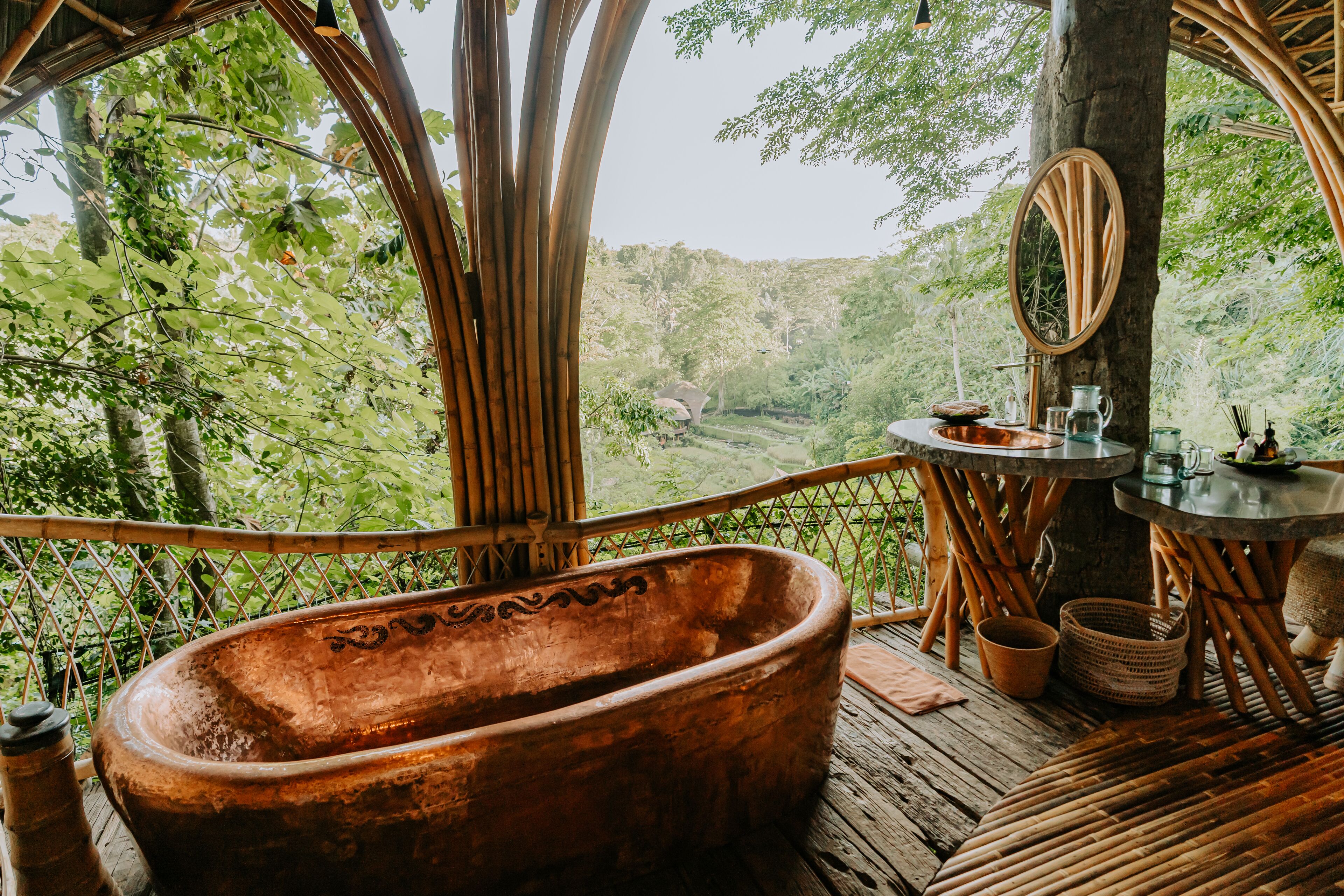
In Japan, asayu — the morning bath — has been a daily practice for centuries. A brief hot soak before the day begins is not about hygiene (Japanese bathing culture keeps the body already clean); it is about transition. The bath marks the boundary between sleep and wakefulness, between the private self and the public one.
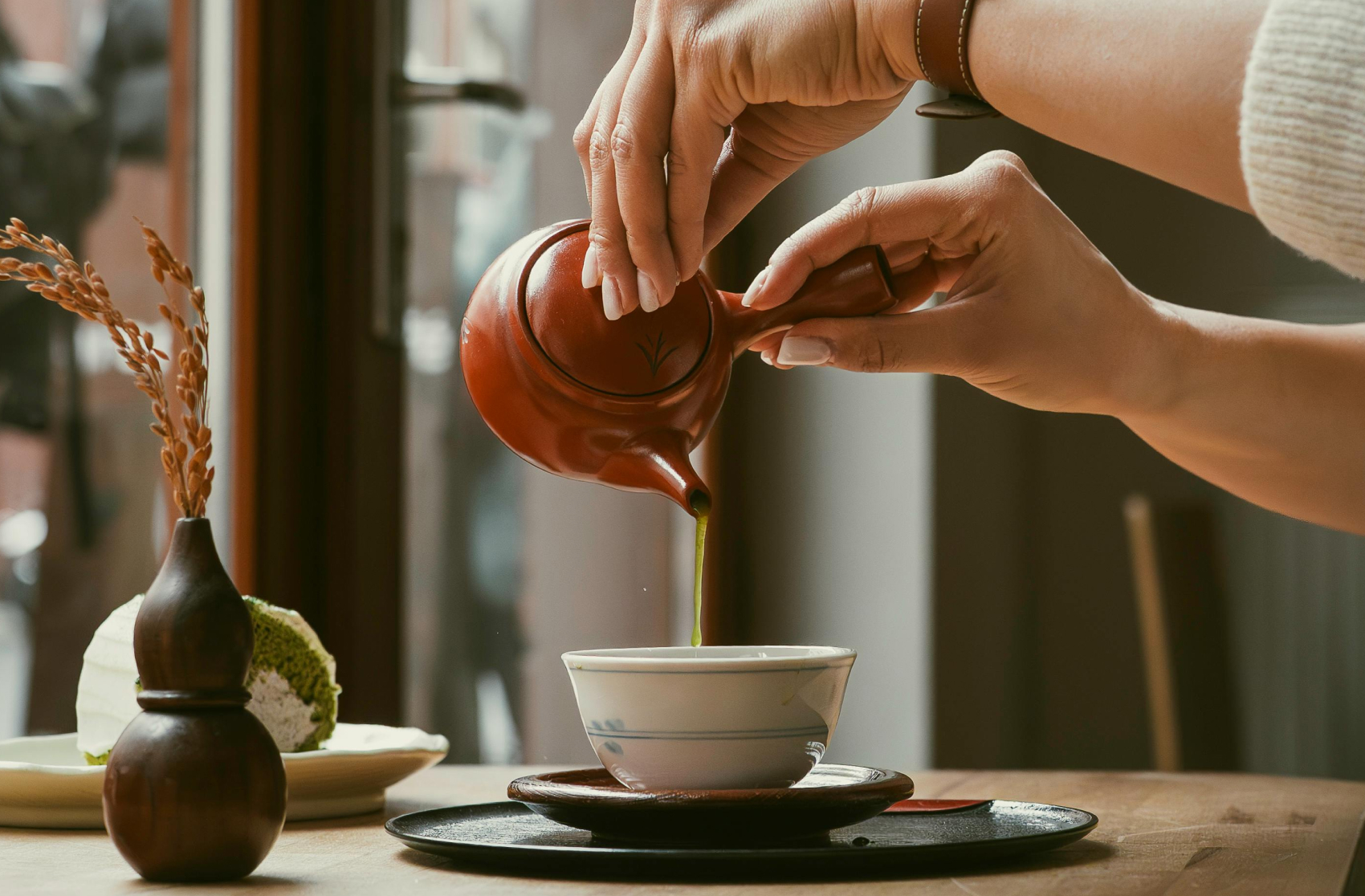
The formal tea ceremony (chado) is traditionally a morning practice. The deliberate, precise preparation of matcha — whisked to a particular froth, served in a bowl held with specific intention — is a meditation in disguise. Each step demands full attention. There is no room for yesterday's regrets or tomorrow's plans when you are watching the steam rise from the bowl.
India: The Ayurvedic Morning Sequence
Classical Ayurveda prescribes a morning routine (dinacharya) of remarkable specificity. Wake before sunrise — ideally during the Vata period (2–6am) when the mind is naturally alert. Tongue-scrape 7–14 times to remove overnight toxins. Oil pull for 5–20 minutes. Practice yoga or pranayama. Take a warm oil self-massage (abhyanga) before bathing.
Eat only after meditation and movement — never as the first act of the day. The digestive fire (agni) needs to be awakened before food arrives.
Scandinavia: Cold Water and Forest Time
In Norway and Sweden, the practice of friluftsliv — open-air living — begins at dawn. Many Scandinavians take a brief cold plunge or outdoor walk before breakfast, regardless of season. The winter darkness is not an excuse for staying inside; it is simply the condition in which the morning practice occurs.
Cold exposure first thing raises dopamine levels substantially and activates the sympathetic nervous system in a way that actually produces calm sustained energy — the opposite of caffeine's spike and crash.
Morocco: The Hammam
In Moroccan culture, the public hammam is traditionally a morning institution. The sequence — steam room, exfoliation with a kessa glove and black soap, rinse — cleanses not just the body but, Moroccans say, the spirit. It is a communal practice, an intergenerational ritual, a piece of social architecture that creates belonging alongside cleanliness.
Building Your Own Morning Practice
You do not need to adopt any tradition wholesale. But you can borrow intentionally:
- Hydrate before caffeine — 500ml of water, ideally warm, before any other liquid
- Leave the phone face-down for 30 minutes after waking
- Move your body in some deliberate way — 10 minutes of yoga, a short walk, stretching
- Eat with attention — no screens, no reading, just breakfast
- Choose one small sensory ritual — the smell of coffee, the warmth of a bath, the weight of a bowl in your hands
The ritual is not the habit. The ritual is the awareness you bring to the habit.
Frequently Asked Questions
Why do morning rituals matter more than evening ones?
Morning rituals set the neurological tone for the entire day. Cortisol naturally peaks in the first hour after waking — the "cortisol awakening response" — and how you spend that window shapes stress reactivity for the following twelve hours. Cultures with strong morning ritual traditions (Japanese, Ayurvedic, Scandinavian) use this window deliberately rather than surrendering it to reactive tasks.
What is the simplest morning ritual to adopt from another culture?
The Japanese practice of misogi — a brief cold-water rinse or splash on the face — requires no equipment and takes under two minutes. Ayurvedic dinacharya begins with tongue scraping and warm water before eating. Scandinavian friluftsliv starts the day with five minutes outdoors regardless of weather. Any of these can be integrated into a Western morning routine without cultural appropriation concerns when approached with respect and understanding.
Can I experience these rituals authentically at a wellness retreat?
Yes. Ananda in the Himalayas offers authentic Ayurvedic dinacharya as part of its morning programme. Japanese onsen properties incorporate misogi and hot-spring bathing into the daily rhythm. Banyan Tree Veya Phuket integrates Thai and mindfulness morning practices. Explore Ayurveda retreats for the most structured morning ritual programming.
How long should a morning ritual take?
Traditional morning rituals in mindful cultures typically run 30 to 90 minutes — but this includes movement, nourishment, and contemplation as a single integrated practice. A meaningful personal morning ritual can be built in 15 to 20 minutes: five minutes of stillness, five minutes of movement, five minutes of intentional nourishment, and five minutes of setting intention for the day.