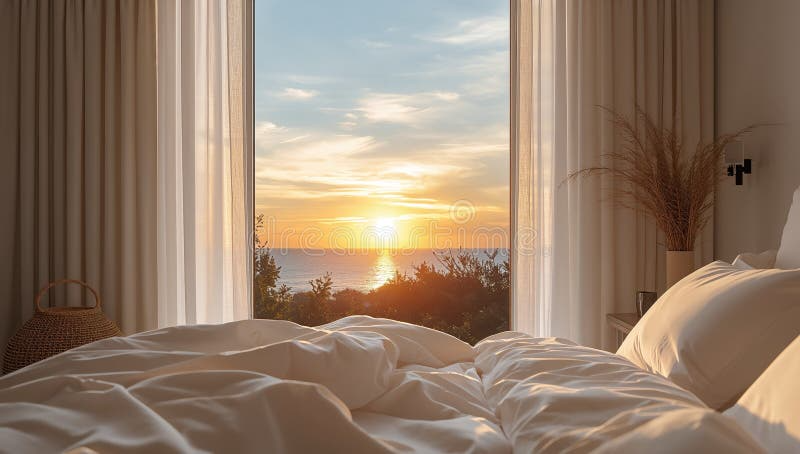
Most people notice it by the second night. They fall asleep before they intended to. They wake without an alarm.
They dream in a way they had forgotten was possible. They lie there in the early morning, aware that something has shifted, uncertain what it was.
It was not the bed. It was not the blackout curtains. The answer is more interesting than that — and more useful.
What Your Nervous System Has Been Trying to Tell You
Sleep quality is not primarily a function of where you sleep. It is a function of what your nervous system believes about its environment in the hours before you do.
The autonomic nervous system runs on two modes: sympathetic activation — the alert, scanning, threat-responsive state — and parasympathetic recovery — the state in which digestion, cellular repair, and sleep architecture function as they should.
Most people living ordinary urban lives spend the majority of their waking hours in sympathetic dominance. The transition into genuine parasympathetic function, which sleep requires, takes longer than most people allow for. By the time they are horizontal, the body has not yet received the signal that the threat has passed. At a retreat, that signal arrives faster. Often within hours of arrival.
The Noise We Don't Notice
Urban sound environments maintain a baseline of low-level acoustic stimulation — traffic, mechanical systems, the irregular percussion of other people's lives — that the brain monitors continuously, even when we are consciously unaware of it.
This monitoring has a physiological cost. Cortisol, the primary stress hormone, remains elevated in proportion to background noise levels even during sleep.
Digital environments compound this. The notification architecture of smartphones is designed with the same neurological logic as a predator: unpredictable, intermittent, and impossible to safely ignore. Even when a phone is silenced, the background awareness that something may have arrived maintains a low level of arousal that does not switch off at bedtime.
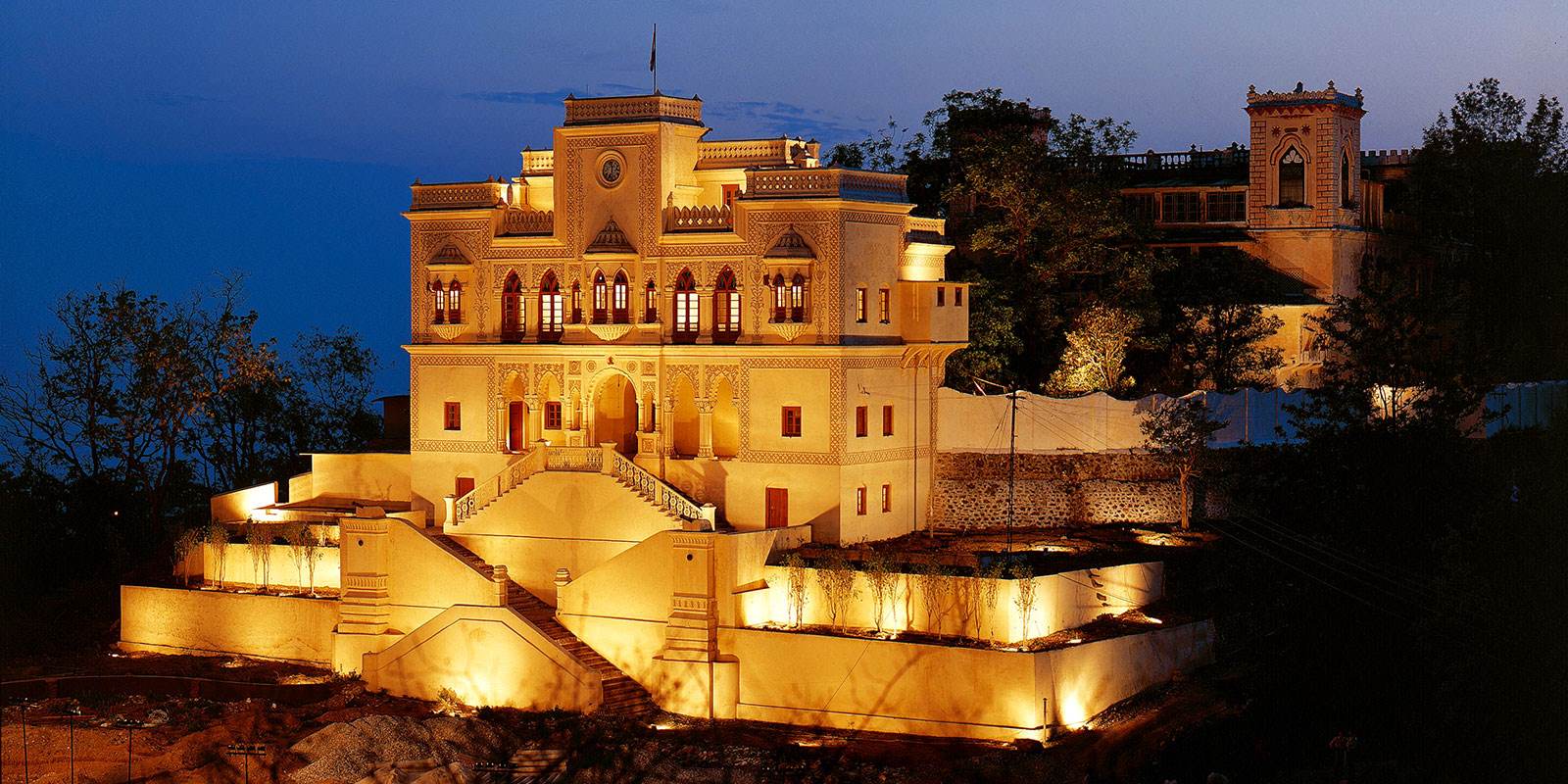
At Eremito in Umbria, there is no Wi-Fi, no phone signal, and no schedule beyond the monastery rhythm of simple meals and early sleep. It is one of the most extreme examples of acoustic and digital removal available in European travel. Guests who arrive expecting to miss their devices consistently report the same trajectory: mild anxiety, then relief, then a quality of sleep they describe as the deepest of their adult lives. The monastery is doing something precise. It is removing what the nervous system had been monitoring.
What Darkness and Temperature Actually Do
Light is the primary signal through which the brain calibrates its circadian rhythm — the internal clock that governs cortisol release, melatonin production, and core body temperature.
Artificial light, particularly the blue-spectrum light emitted by screens, suppresses melatonin production for up to three hours after exposure. Most people go to bed with melatonin suppressed. They then wonder why sleep does not come.
At a retreat in a natural setting, light discipline tends to happen automatically. The sun sets. The environment darkens. The body begins the hormonal cascade that sleep requires at the time it was designed to begin.
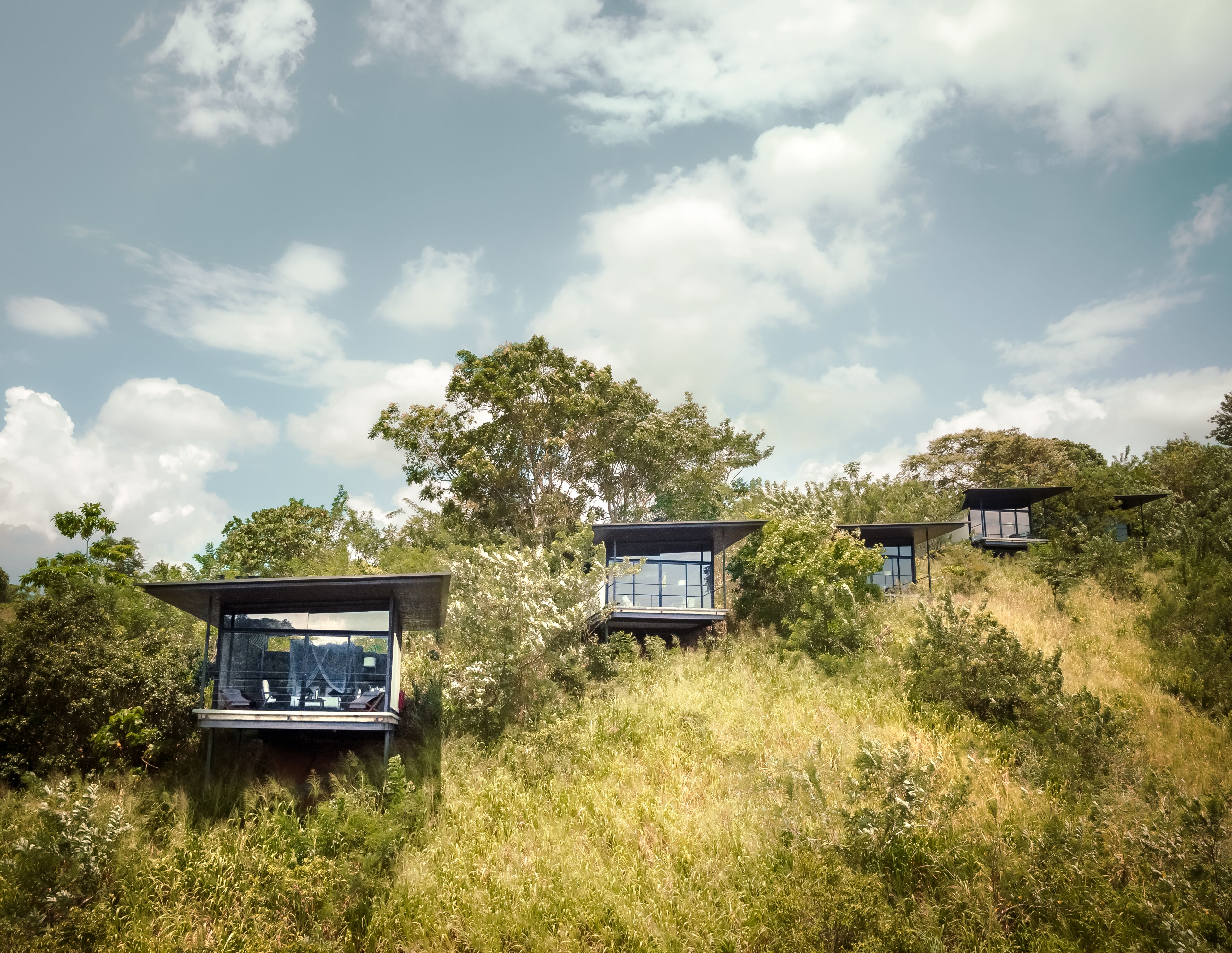
Temperature matters equally. Core body temperature needs to drop by approximately one degree Celsius for sleep to initiate properly. The forest air at Nayara Tented Camp in Costa Rica, which drops at night as the rainforest exhales, is not an amenity. It is a physiological input. Consistent natural soundscapes — rain, river, wind — have been shown to suppress the amygdala's threat-scanning response in ways that urban noise does not. This is not ambience. This is biology.
When Sleep Becomes the Primary Programme
For most of the wellness industry's history, sleep improvement was an incidental benefit — something guests noticed alongside the yoga and the detox results. A small number of properties have now made it the explicit focus.
Six Senses Uluwatu in Bali runs a dedicated Sleep Programme — the resort's flagship offering — drawing on chronobiology, sleep science, and Balinese ritual. The science and the ritual turn out to be describing the same thing in different languages.
Kamalaya on Koh Samui integrates sleep restoration within its broader programmes for stress and burnout.
The Silence of the Alentejo Plains
There is a particular quality of quiet in Portugal's Alentejo plains — among the cork oaks and wildflower meadows at properties like Longevity Cegonha — that guests consistently describe as something they feel physically.
The nervous system notices what the conscious mind does not. This is the fundamental mechanism behind why retreat environments work on sleep. The environment does most of the work. The programme deepens it.
What You Can Bring Home
The conditions that improve sleep at a retreat are replicable at home to a meaningful degree. Not perfectly — but the principles transfer.
Light discipline is the highest-leverage change most people can make: no screens for ninety minutes before bed and genuine darkness in the bedroom. A room temperature between 16 and 19 degrees Celsius. A consistent sleep and wake time, held even on weekends, which is what recalibrates the circadian rhythm over time.
Remove the phone from the bedroom — not silenced, but absent. These are the structural conditions a retreat imposes by design. Most people find them easier to maintain after spending time in an environment where they experienced what their sleep can actually be. That memory is the most valuable thing a retreat provides.
FAQ
Why do I always sleep better away from home?
The primary reasons are environmental: lower ambient noise, reduced digital stimulation, better light discipline, and cooler temperatures. Being away from the habitual associations of your bedroom — the unfinished tasks, the familiar anxieties — also removes psychological triggers for arousal that most people have stopped noticing.
How long does it take for sleep to improve at a retreat?
Most guests notice improvement by the second or third night. The first night often involves adjustment to a new environment, but from night two onward the combination of physical activity, reduced stimulation, and natural light may help some guests fall asleep more easily and sleep for longer.
What is a sleep programme at a wellness retreat?
A dedicated sleep programme goes beyond good environmental conditions to address the specific mechanisms disrupting an individual's sleep. At properties like Six Senses Uluwatu, this includes chronobiology assessment, sleep tracking, personalised nutrition adjustments, and evening protocols designed around the guest's specific sleep architecture challenges.
Can a retreat help with chronic insomnia?
A retreat may help some guests sleep better, but it is not a substitute for medical care. If sleep problems continue, speak to your doctor. But chronic insomnia can have underlying causes, such as sleep apnoea or anxiety, that need a doctor's assessment. The better properties will tell you this honestly.
Retreats that take sleep seriously are worth seeking out.
Hotels mentioned in this article:
Eremito → · Nayara Tented Camp → · Six Senses Uluwatu → · Kamalaya → · Longevity Cegonha →