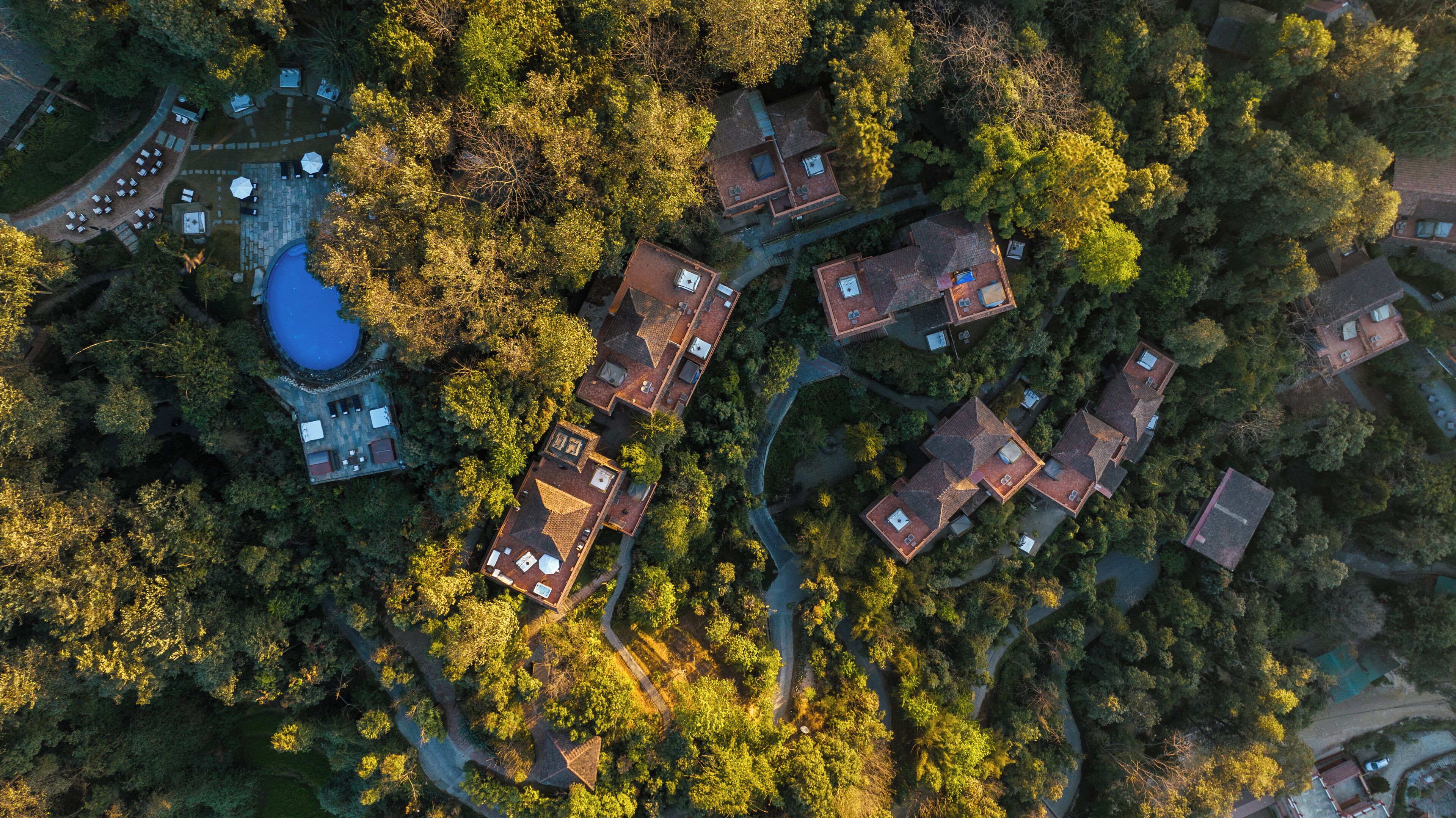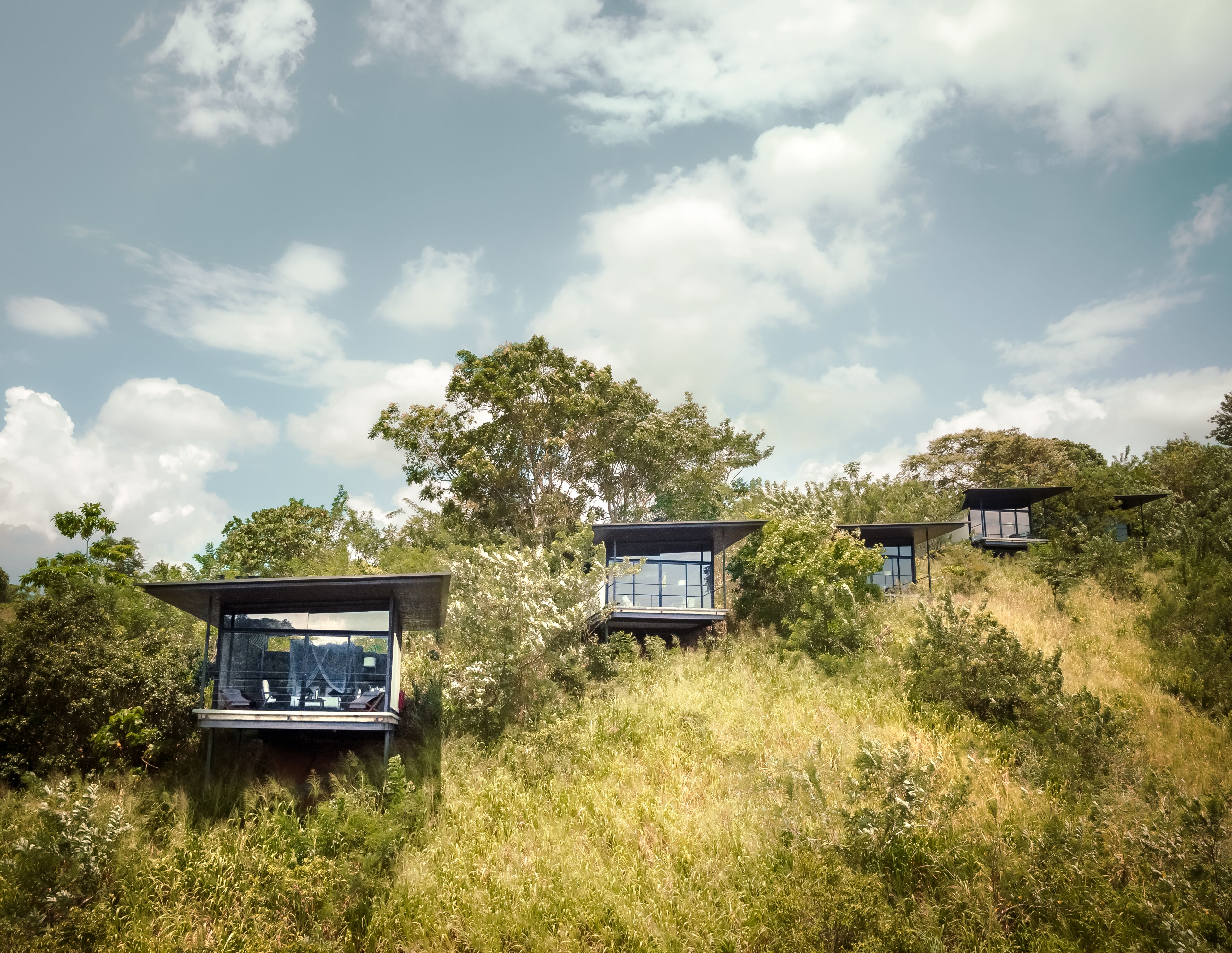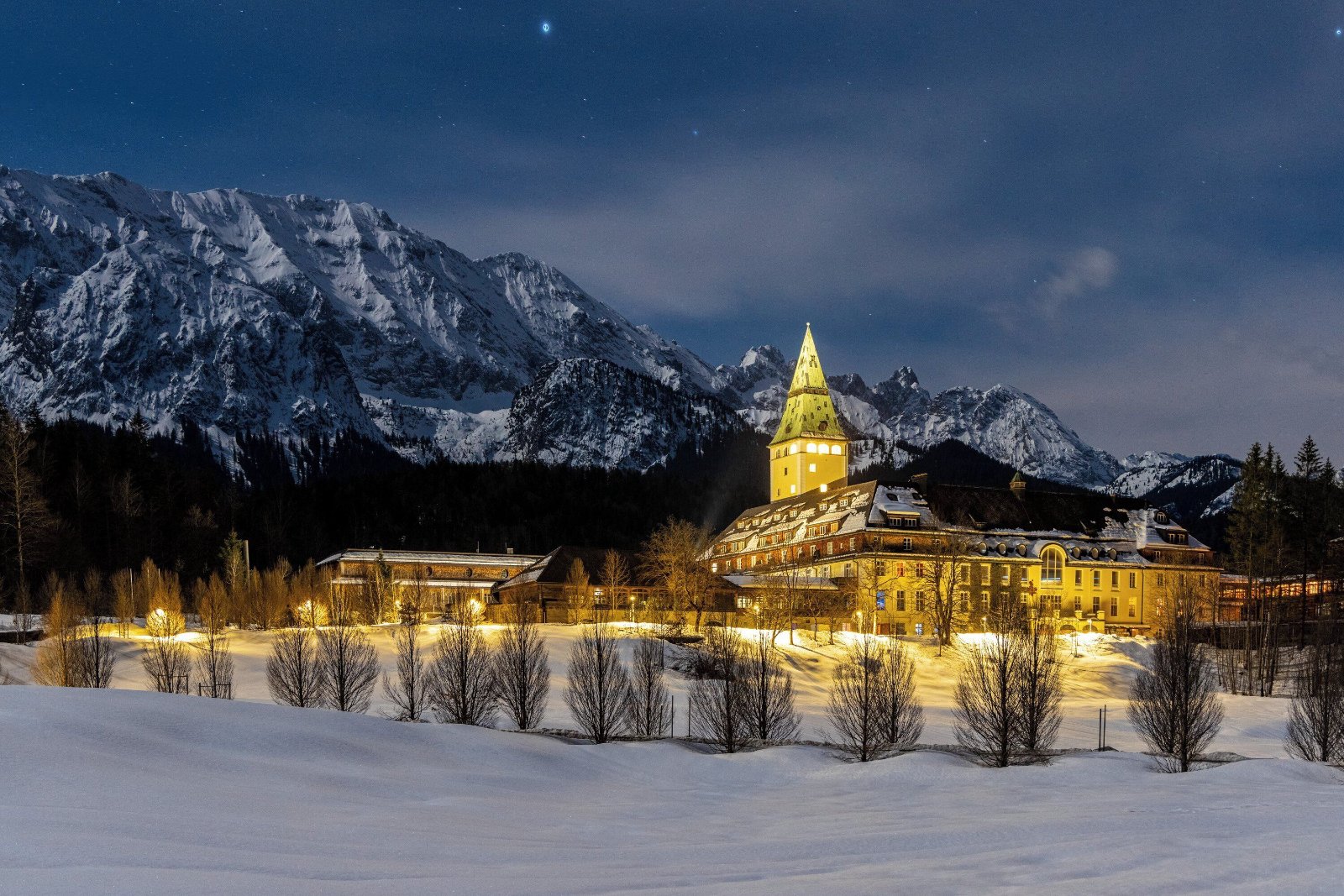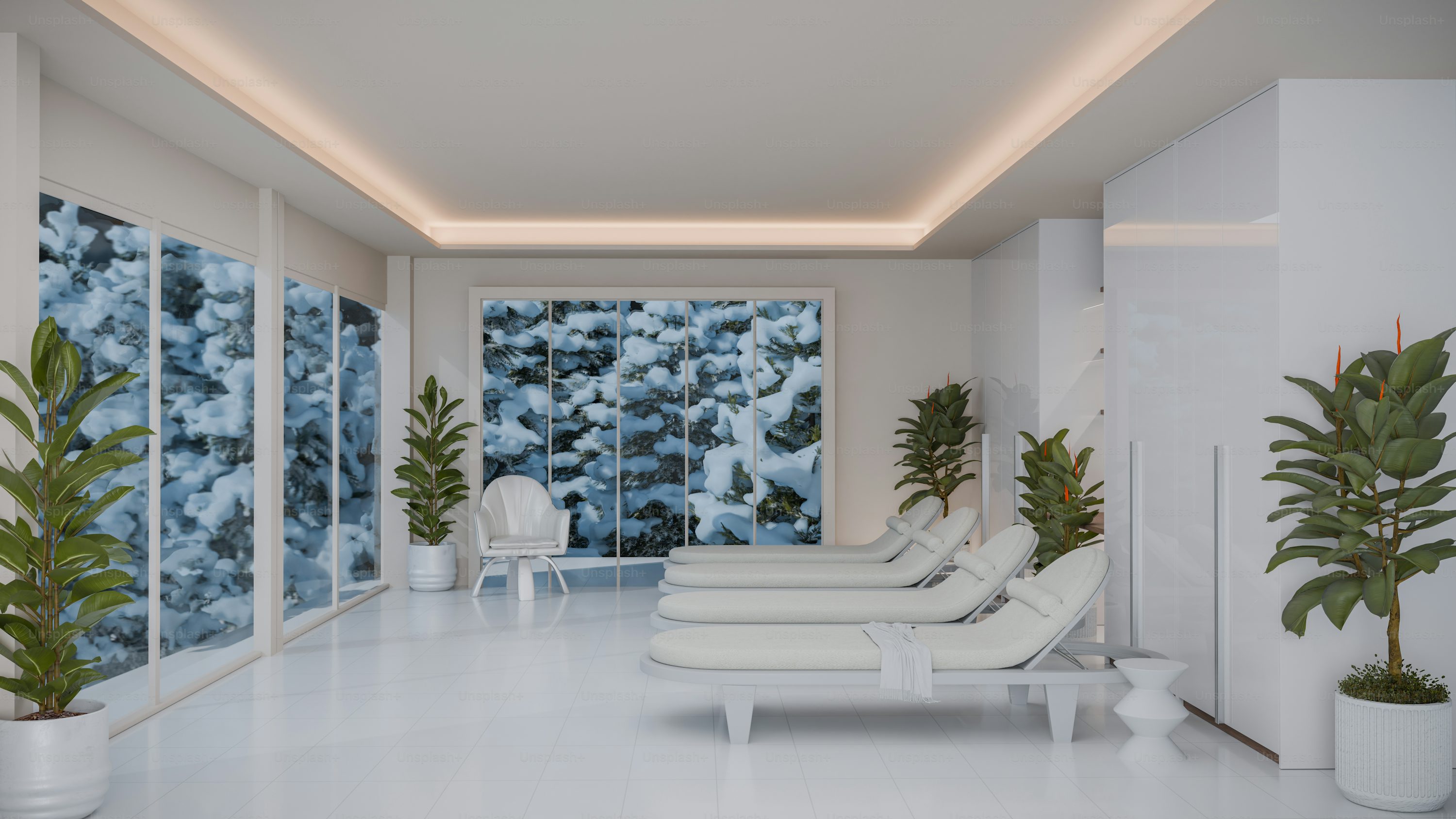
The wellness retreat market has grown fast, and quality varies enormously. A purposeful, well-run retreat can reset your sleep, reduce chronic stress, and send you home with practices you'll actually use. A poorly matched one leaves you feeling like you paid a premium to be vaguely disappointed in a beautiful location.
The difference usually comes down to a few decisions made before you book. This guide covers them clearly.
Start With Your Primary Goal
Most people approach retreat selection backwards — they browse beautiful properties first and then try to justify the choice. A better starting point is a single honest question: what do I actually need right now?
The major wellness retreat categories each serve a different kind of need. Physical restoration — improving sleep, reducing inflammation, addressing burnout — is typically served best by detox or Ayurvedic programmes. Psychological clearing and stress reduction tend to respond well to meditation and mindfulness-centred retreats. If movement and mobility are the priority, a yoga retreat with a high volume of daily practice time is the more efficient choice. And for people whose primary need is genuine disconnection from modern life, a nature-centred programme in a remote setting often delivers more than any urban wellness hotel.
Define one primary goal. It makes every subsequent decision easier.
Understand What You're Actually Buying
The word "retreat" is applied to three quite different products. Understanding which you're looking at prevents disappointment.
Structured programme retreats have fixed arrival and departure dates, a set schedule, and a curated therapeutic arc. Group meals and communal sessions are standard. These are the best format for significant, lasting change — the structure creates the conditions for depth. Most serious detox retreats and Ayurveda programmes operate this way.
Open-stay wellness hotels are properties where you book accommodation and select from an à la carte menu of spa sessions and classes. You have more freedom but less scaffolding. These work well for experienced wellness travellers who know what they need and can self-direct. They're less effective for people who are depleted or arriving with no prior practice.
Hybrid properties offer both — a scheduled programme option alongside a more flexible track. These are increasingly common at higher-end properties and offer the best of both models for travellers who want some structure without total constraint.
Evaluate the Programme, Not Just the Setting
Beautiful locations are easy to photograph and easy to market. Programme quality is harder to assess at a glance, but it's what determines outcomes.
A few markers worth checking: Is there a licensed medical or therapeutic practitioner on staff, or are practitioners independent contractors with varying credentials? What is the maximum group size for key sessions — yoga and meditation classes taught to groups of thirty deliver a fundamentally different experience than those taught to groups of eight. Does the retreat follow a coherent philosophy, or is the menu a collection of unrelated sessions assembled to appeal to the broadest possible market?
For luxury wellness properties, it's also worth asking whether spa sessions are the primary offering or the supplement to a more substantive programme. A property that leads with its spa is not necessarily a weaker choice — but it's a different kind of stay.
Match the Duration to Your Goal
A weekend at a wellness property is pleasant. It's unlikely to produce lasting change. Most credible retreat directors will tell you that meaningful physiological or psychological shifts require a minimum of five to seven days of continuous, focused work.
Sleep normalisation alone typically takes three to four nights in a new environment. Detox protocols are often offered over five to ten days or more. For Ayurvedic Panchakarma, the traditional protocol is three weeks — though adapted seven-to-ten day programmes are more commonly offered.
If you have limited time, a long weekend can serve as a genuine reset — but set your expectations accordingly. You're paying for rest and reorientation, not transformation.
Consider Location Relative to Travel Stress
This is an underrated factor. A twelve-hour flight followed by a three-hour transfer to a remote retreat can functionally consume your first two days of recovery. For shorter retreats especially, a destination that is geographically closer or easier to reach often delivers more net wellness value than a harder-to-access property with a marginally stronger programme.
Europe offers strong options with minimal travel for UK and continental travellers — Austria, Spain, and Portugal in particular. For US-based travellers, Mexico and Costa Rica offer strong programmes within four to six hours of most major hubs. Our destinations directory organises properties by region if you're working from a geographic constraint.
Questions to Ask Before You Book
These five questions will tell you most of what you need to know about any retreat:
What is the practitioner-to-guest ratio for core sessions? Anything above 1:12 for therapeutic work is worth scrutinising.
What qualifications do your lead practitioners hold, and are they employed by the property or visiting? Visiting teachers vary in quality; consistent employed staff generally indicate a more stable programme.
What does a typical day look like, hour by hour? If a property struggles to give you a concrete schedule, the programme is probably looser than marketed.
What is the food sourcing and preparation philosophy? For detox and Ayurvedic programmes especially, the kitchen is as important as the spa.
What aftercare or integration support is provided? A retreat that sends you home with a protocol, reading materials, and optional follow-up calls takes its outcomes more seriously than one that doesn't.
FAQ
How much should a good wellness retreat cost?
Costs vary enormously by location, duration, and programme intensity. In Europe and North America, expect $300–$800 per night for a credible open-stay wellness hotel; $2,000–$6,000 per week for a well-run structured programme. Bali and Mexico tend to run 30–50% lower for comparable quality.
Is it better to go alone or with a partner?
Both have merits, but many wellness practitioners recommend going alone at least occasionally — solo travel removes the social negotiation that can dilute the depth of inward focus. Most retreat centres are designed to facilitate connection between individual guests.
Can I do a wellness retreat if I have a medical condition?
Many structured retreat programmes require a health intake form and may need to modify or decline certain protocols based on your history. Be upfront with any property you're considering. The better ones will tell you honestly whether their programme is appropriate for your situation.
What should I pack?
Less than you think. Most properties provide yoga mats, props, robes, and toiletries. Prioritise comfortable movement clothing, one layer of warmth, and any personal supplements or medications. Leave the laptop at home.
Browse our curated collection of holistic hotels worldwide, or explore by experience type — from yoga retreats and nature retreats to mindfulness programmes — to find a retreat matched to where you are right now.