Every cell in the human body runs on a clock. Not metaphorically — literally. Liver cells, muscle cells, and skin cells each contain molecular machinery called clock genes, first mapped by the 2017 Nobel Prize-winning research of Hall, Rosbash, and Young, which governs when those cells repair, regenerate, and release hormones. Travel disrupts this machinery more profoundly than most people realise, and the retreats that understand chronobiology are using that disruption deliberately, as an opening for recalibration.
The Clock Behind the Clock
The suprachiasmatic nucleus, a cluster of roughly twenty thousand neurons in the hypothalamus, acts as the body's master clock, synchronising the peripheral clocks in the liver, gut, and muscle tissue to a roughly twenty-four-hour cycle. Light is its primary input. But the master clock and the peripheral clocks do not always move together — and when they fall out of sync, the result is more than tiredness. Misalignment between the central and peripheral clocks is associated with disrupted growth hormone release, impaired glucose metabolism, and reduced nighttime repair of damaged cells. Growth hormone, the primary driver of tissue repair and cellular regeneration, is released in pulses tied tightly to the sleep-wake cycle. Travel across time zones doesn't just cost you a night's sleep. It costs the body its scheduled repair window.
Why Meal Timing Matters as Much as Light
Light resets the master clock. Food resets the peripheral ones. This is the principle behind chrononutrition, and it is the foundation of the Mayr Method, the century-old Austrian protocol still practised in its most rigorous form at Mayr Health Resort Altaussee on the Salzkammergut lakes. The Mayr approach structures meals around a strict daily rhythm — chewing protocols, fixed eating windows, and a substantial gap between the final meal and sleep — based on the understanding that digestive function follows its own circadian pattern. Eating outside that pattern, as most travellers do by default, forces the gut's peripheral clock out of alignment with the central one, compounding the disruption that jet lag has already caused. The result, felt within days at Altaussee, is what guests consistently describe as a return of genuine hunger and genuine fullness — sensations that chronic circadian misalignment quietly erodes.
Diagnostics That Make the Invisible Visible
Circadian disruption rarely announces itself directly. It shows up instead as fatigue that sleep doesn't resolve, weight that doesn't respond to diet, and a mood that doesn't track with circumstances. SHA Wellness Clinic on Spain's Mediterranean coast addresses this by testing for it: comprehensive biomarker panels, including cortisol rhythm and metabolic markers, that reveal circadian dysfunction before a guest has identified it as the cause of how they feel. Lanserhof Lans in the Tyrolean Alps takes a parallel route through its LANS Med Concept, using digestive regeneration as a lever for systemic circadian reset. The logic is the same as the Mayr protocol's, delivered with a contemporary diagnostic layer: identify where the clocks have fallen out of step, then realign them through structured intervention rather than guesswork.
The Older Science of Timing
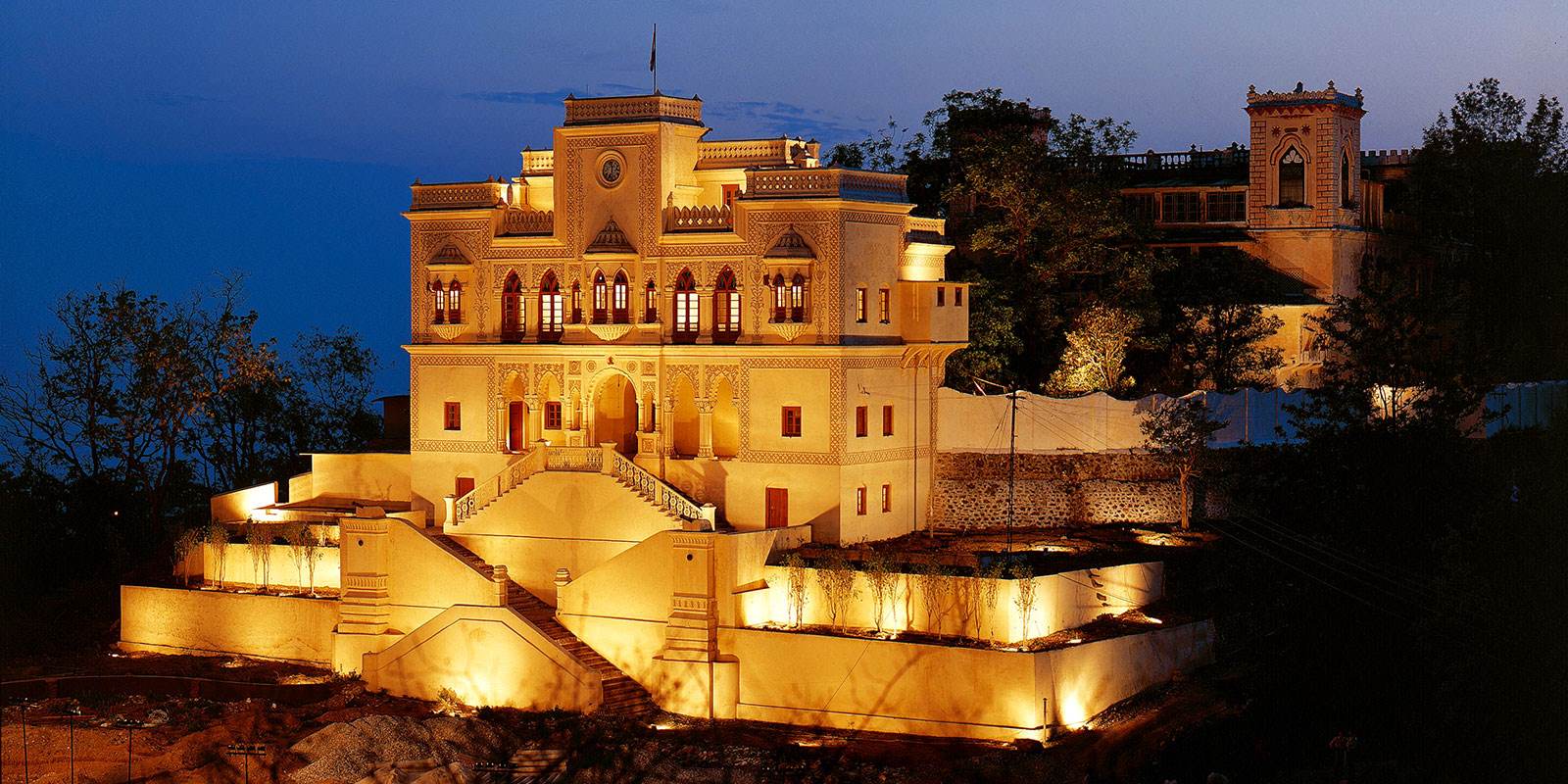
Long before chronobiology had a name, Ayurvedic medicine built an entire daily discipline around it. Dinacharya — the Ayurvedic practice of structuring activity, eating, and rest according to the time of day — assigns specific functions to specific hours, based on the doshic qualities believed to dominate each period. Modern chronobiology, working from an entirely different evidence base, has arrived at strikingly similar conclusions about when digestion, activity, and rest are physiologically optimal. At Ananda in the Himalayas, above Rishikesh, dinacharya is delivered as a structured daily routine: sunrise practice, scheduled meals, and an evening wind-down calibrated to the same biological windows that contemporary sleep science now measures with actigraphy and cortisol assays. The tradition and the laboratory are, in this instance, describing the same clock from different centuries.
Resetting Your Own Clock
A full circadian reset does not require an Alpine clinic. Morning light exposure within thirty minutes of waking is the single most effective lever available, more reliable than melatonin supplementation for shifting the master clock. A consistent eating window, with the final meal at least three hours before sleep, supports the peripheral clocks that light alone cannot reach. And travel itself, handled deliberately — adjusting meal and light exposure to the destination time zone before departure, rather than after arrival — meaningfully shortens the adjustment period.
FAQ
What is chronobiology?
Chronobiology is the scientific study of biological rhythms, particularly the roughly twenty-four-hour circadian cycle that governs hormone release, body temperature, digestion, and sleep. It examines how the body's internal clocks, both central and peripheral, synchronise with environmental cues like light and food timing.
How long does it take to recover from jet lag?
Most people require approximately one day of recovery per time zone crossed, though this varies with direction of travel — eastward travel is typically harder to adjust to than westward, because it requires advancing the clock rather than delaying it. Structured light and meal timing can shorten this window meaningfully.
Can meal timing really affect circadian rhythm?
Yes. While light is the primary input for the master clock in the brain, food timing is the primary input for peripheral clocks in the liver, gut, and muscle tissue. Eating at irregular or late hours can desynchronise these peripheral clocks from the central one, a state associated with disrupted metabolism and impaired cellular repair.
What is dinacharya?
Dinacharya is the Ayurvedic practice of structuring daily activities — waking, eating, exercise, and rest — according to specific time windows believed to align with the body's natural rhythms. Contemporary chronobiology has independently identified many of the same optimal windows for digestion and rest.
The body's clock does not pause for travel. The retreats that understand this are not offering relaxation. They are offering recalibration. Timing is one half of the equation; what surrounds you while the clock resets is the other. Explore Ayurveda retreats → Discover detox retreats →