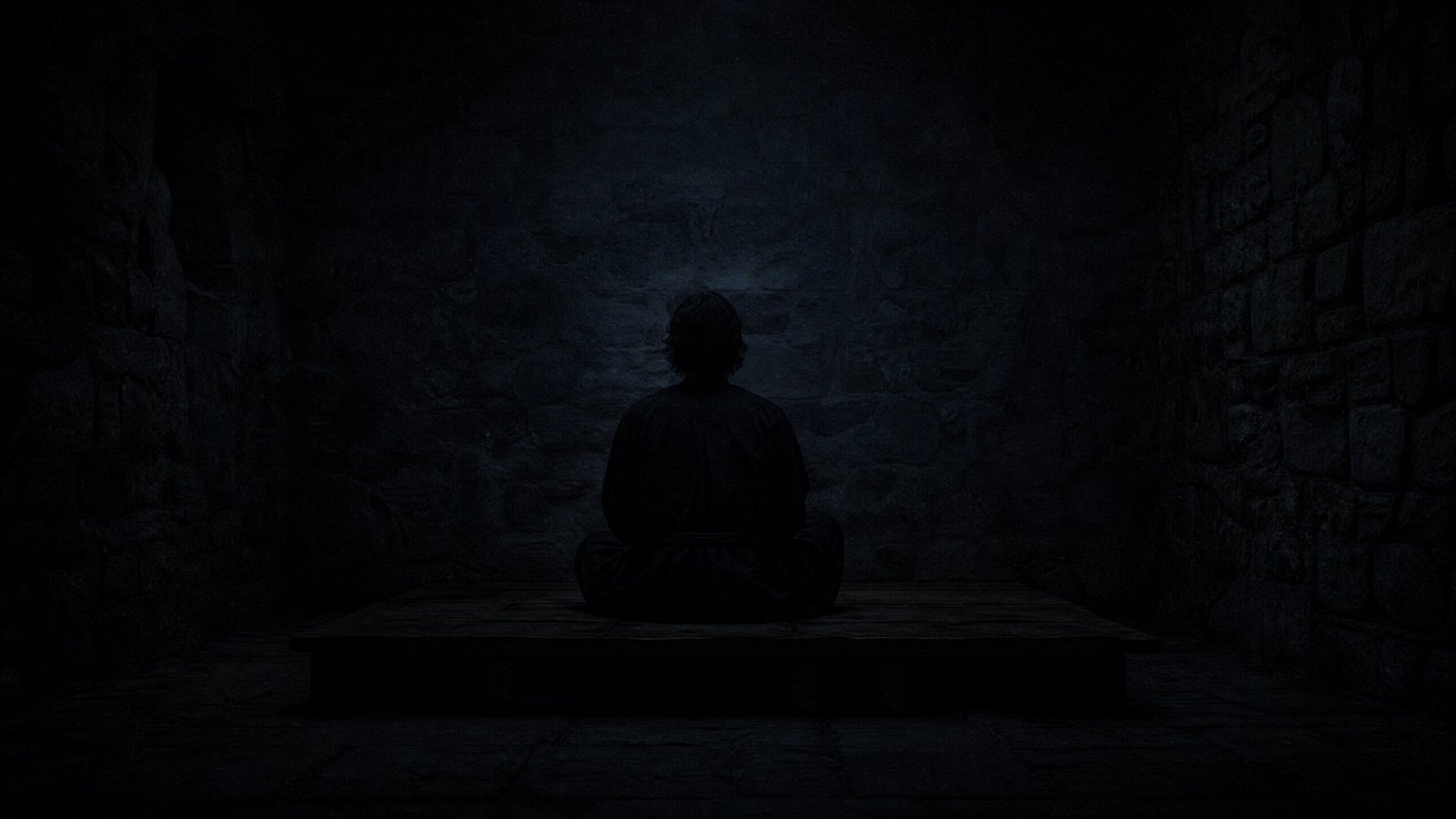
The human brain has spent almost its entire evolutionary history alternating between light and darkness on a roughly twelve-hour cycle. What happens when that cycle is interrupted — not by the modern pattern of extended artificial light, but by its opposite, extended natural darkness — is something that most people have never experienced and that neuroscience has only recently begun to examine systematically. The practice has existed for centuries. The science is just catching up.
What Extended Darkness Does to the Pineal Gland
The pineal gland is a pea-sized structure deep in the brain whose primary function is regulating circadian rhythm through melatonin production. In ordinary life, melatonin is suppressed during daylight hours and released as light levels fall, peaking in the early morning before sunrise. Remove light entirely, and the melatonin response changes character: production escalates beyond ordinary nighttime levels and, in extended darkness, sustains at those elevated levels continuously. Melatonin is a powerful antioxidant and cellular protector. Its sustained elevation in dark conditions has been associated with deep, unusually restorative sleep, increased tissue repair, and a shift in the pattern of dream experience that practitioners consistently describe as more vivid, symbolic, and emotionally significant than ordinary dreaming. Elevated melatonin demonstrably alters the architecture and subjective quality of sleep. This is not metaphysical claim. It is pharmacology.
The Chemistry the Darkness Unlocks
Beyond melatonin, extended darkness appears to trigger escalating pineal serotonin activity — the pineal gland is among the most serotonin-dense tissues in the body — and, according to emerging research, may stimulate endogenous production of compounds structurally related to the dimethyltryptamine family. This area of pineal neurochemistry remains controversial and incompletely understood, but the subjective reports of practitioners who undergo five to seven days of continuous darkness — visual phenomena, expanded sensory awareness, altered time perception — are consistent enough across cultures and traditions to suggest a genuine neurochemical mechanism rather than expectation effects alone. The Default Mode Network, explored in the context of silence and reduced input, behaves differently in extended darkness than in silence alone. Without visual information to process, the network's activity shifts: introspective processing intensifies, but the quality of the content changes from the habitual narrative replay associated with wakeful rumination toward something closer to the associative, imagistic processing of dreaming. The boundary between waking and dreaming becomes less distinct. Whether this is therapeutically valuable or simply neurologically unusual depends on the individual and, critically, on the preparation.
What the Tradition Knew
The Tibetan Buddhist practice of nyamthun — dark retreat, conducted in a specially constructed lightless room — is among the most advanced practices in the Vajrayana tradition, typically undertaken only after years of preparatory training. The Taoist tradition has its own dark room practices, conducted in hermitages where light-sealed chambers were maintained for extended periods of interior work. In both traditions, the darkness is understood not as deprivation but as provision: creating conditions for dimensions of experience that ordinary life, with its relentless sensory input, makes structurally unavailable. The preparation is considered inseparable from the practice. Both traditions require that the practitioner arrive with developed meditative stability specifically because what arises in extended darkness requires psychological resources that undeveloped attention cannot provide. This is not caution for caution's sake. It reflects centuries of empirical observation of what happens to unprepared minds in the absence of ordinary sensory anchoring.
Where This Exists Now — and Where It Is Going
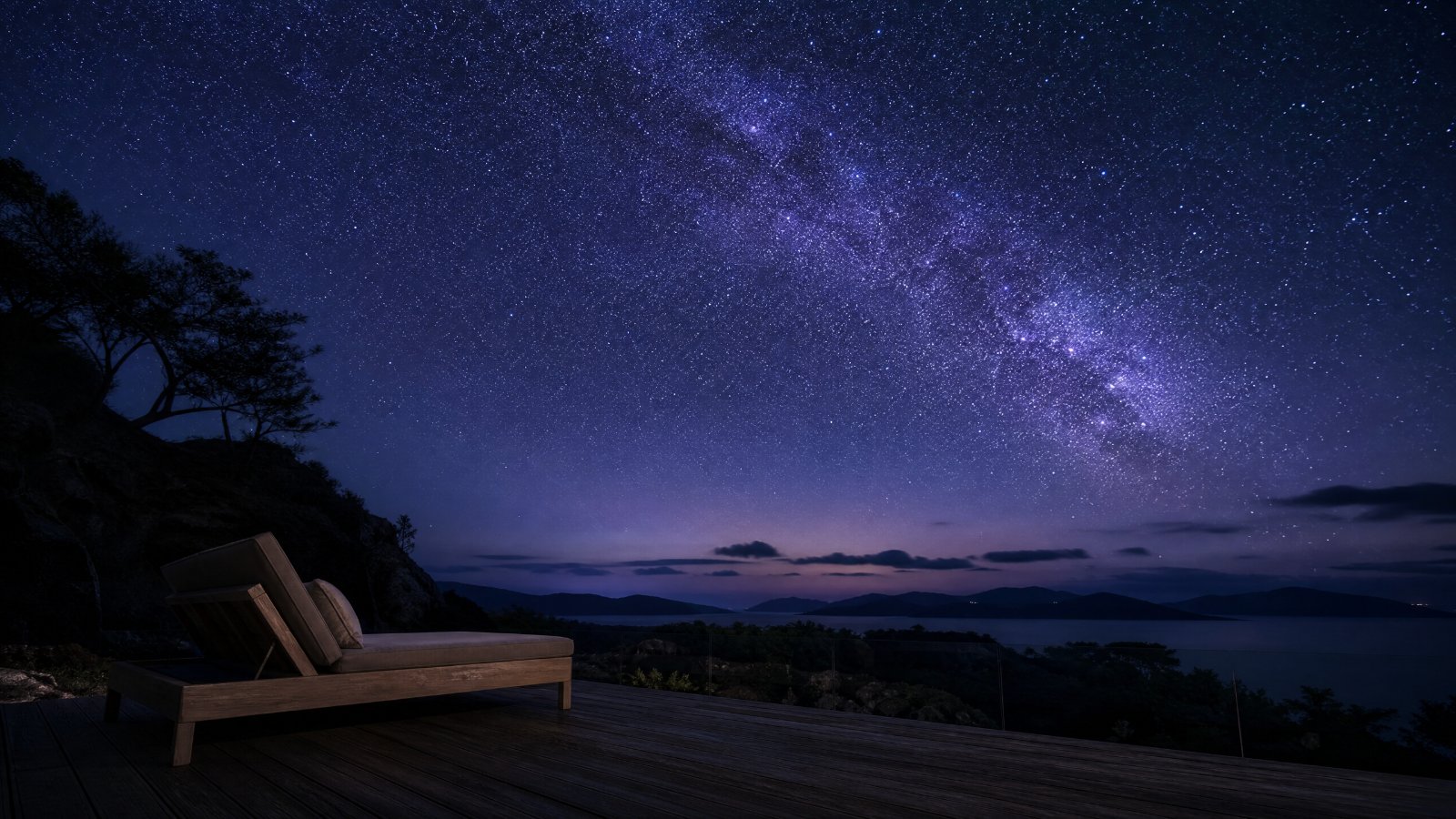
Dedicated dark retreat facilities exist in small numbers, primarily within traditional Buddhist and Taoist practice settings. The mainstream luxury wellness industry has not yet adopted it, for reasons that are both practical and prudent: genuinely lightless accommodation, adequate safety infrastructure, and practitioner support for the psychological intensity of the experience require specialist knowledge that most properties do not possess. Eremito in Umbria — medieval stone cells, nights uncorrupted by artificial light, deliberate elimination of digital and social stimulation, the Umbrian forest doing what forests do at night — creates conditions closer to dark retreat than any conventional wellness hotel. It is not a formal dark retreat. But for guests who arrive with appropriate preparation, the absence of ordinary inputs and the quality of darkness in the Umbrian hills produce a quality of interior space that approximates what structured darkness is designed to generate. The emergence of formal dark retreat protocols within luxury wellness properties is a question of when rather than whether. The neuroscience is accumulating. The tradition has centuries of evidence. The gap is infrastructure and institutional courage.
FAQ
What is a dark retreat?
A dark retreat is a period of deliberate, sustained withdrawal from light — typically between three and seven days — conducted in a lightless or near-lightless environment. Used historically in Tibetan Buddhist and Taoist practice, it is characterised by sustained melatonin elevation, altered dream states, and a shift in the quality of introspective experience.
How does extended darkness affect the brain?
Extended darkness removes the primary cue by which the brain regulates circadian rhythm, causing sustained melatonin elevation beyond ordinary nighttime levels. The Default Mode Network shifts from habitual narrative replay toward more imagistic, dreaming-adjacent processing. Emerging research points to increased pineal serotonin activity and possibly endogenous production of altered-state neurochemicals.
How does a dark retreat differ from the Silence Protocol?
Silence withdraws auditory and social input; darkness withdraws visual input. The neurological effects differ: silence primarily reduces Default Mode Network narrative content by limiting fresh material, while darkness shifts the mode of processing through its effects on pineal chemistry and circadian regulation. Extended darkness combined with silence amplifies both effects simultaneously.
Is a dark retreat safe?
A structured dark retreat with appropriate preparation and practitioner support is considered safe within the traditional frameworks that have refined it over centuries. Unguided or abrupt exposure to extended darkness without preparation is not recommended. The psychological intensity of what arises can be significant, and meditative stability and a trusted guide are considered prerequisites in the traditions that have practised this most extensively.
Darkness is not absence. It is a different kind of presence — one the nervous system was designed to encounter and that the modern world has made structurally unavailable. The retreats willing to take it seriously are working at the frontier of what wellness can offer. Explore mindfulness retreats → Browse all holistic hotels →