Sound is not received passively by the body. It is processed, absorbed, and physiologically responded to — at the level of the autonomic nervous system, the cellular membrane, and the brainwave state. The rigorous study of how specific frequencies affect human biology has been moving steadily toward mainstream medicine, and the most sophisticated wellness retreats have been applying its findings in practice for longer than that. The instruments are ancient. The science is current.
Entrainment: How External Frequency Becomes Internal State
The central mechanism of sound healing is entrainment — the tendency of biological rhythms to synchronise with external oscillating patterns. The heart rate, respiratory rate, and brainwave frequency all demonstrate entrainment effects. Expose the brain to a rhythmic external frequency, sustained and consistent, and its own electrical activity will move toward that frequency over time. This is not a subtle or uncertain effect. It has been documented in electroencephalography research and forms the scientific basis for binaural beats, Tibetan bowl meditation, and the deliberate use of rhythm in every major contemplative tradition. The human nervous system is, in this respect, a resonant instrument.
The Brainwave Spectrum and What Sound Can Do to It
The brain operates across a range of electrical frequencies, each associated with a distinct state of consciousness. Beta waves, in the 14 to 30 Hz range, characterise the alert, active, and often stressed states that most people spend their working hours in. Alpha waves, between 8 and 13 Hz, correspond to relaxed, receptive, and lightly meditative states. Theta waves, between 4 and 7 Hz, are associated with deep meditation, creative insight, and the hypnagogic threshold of sleep. Delta waves, between 0.5 and 3 Hz, dominate during deep, dreamless sleep and are essential for cellular repair.
Sustained exposure to the low-frequency vibrations produced by instruments like Tibetan singing bowls and gongs consistently moves brainwave activity from beta toward alpha and theta — from the scanning, monitoring mode of everyday alertness into the restorative, integrative state that most people access only in sleep. This is the neurological mechanism behind what participants in sound baths describe as profound stillness: the brain has, literally, slowed down.
Crystal Bowls and Gongs: The Mechanisms
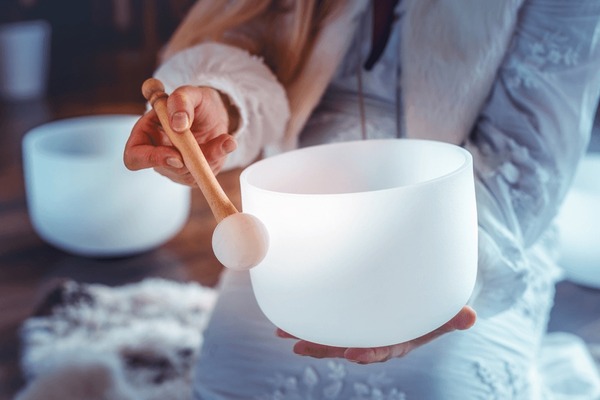
Crystal singing bowls, made from quartz, produce pure, sustained tones whose clarity and resonance interact with the body's own cellular structure. A 2016 study published in the Journal of Evidence-Based Complementary and Alternative Medicine found that Tibetan singing bowl meditation significantly reduced feelings of tension, anxiety, and depression in participants — with the strongest effects observed in those who had never previously meditated. This matters because it suggests the mechanism is physiological rather than practice-dependent. Experience is not a prerequisite.
Gongs produce a wider frequency spectrum: from deep, sub-bass fundamentals through complex mid-range harmonics to shimmering overtones. The immersive quality of a gong bath — the sense of being enveloped in sound rather than listening to it — activates the parasympathetic nervous system and slows both heart rate and respiratory rate within minutes. The vibration is felt as much as heard, which is why its effects are experienced as physical rather than purely auditory.
How Retreats Are Using Sound
The retreats that take sound seriously have integrated it not as ambient background but as a structured part of the programme.
Fivelements on the Ayung River in Bali has built its entire programme around what it calls sacred arts, with sound ceremony conducted by Balinese practitioners whose relationship with specific frequencies is passed through traditional lineage. The context matters: sound experienced within a coherent ceremonial framework produces different physiological and psychological effects than the same frequencies in a medical setting.
Six Senses Vana in the Doon Valley integrates Himalayan singing bowl practice within its multi-tradition restorative programme, positioning sound alongside Ayurveda, yoga nidra, and Tibetan medicine as complementary approaches to the same nervous system outcomes. The depth of the programme means sound is not an isolated session but one element within a coherent daily arc.
Sangha Retreat by Octave in Suzhou incorporates sound within its Five Elements TCM framework, using specific frequencies calibrated to the elemental correspondences of Chinese medicine — a synthesis of traditional knowledge and contemporary acoustic science that represents one of the more intellectually ambitious approaches to sound healing in the wellness industry.
What to Expect from a Sound Bath
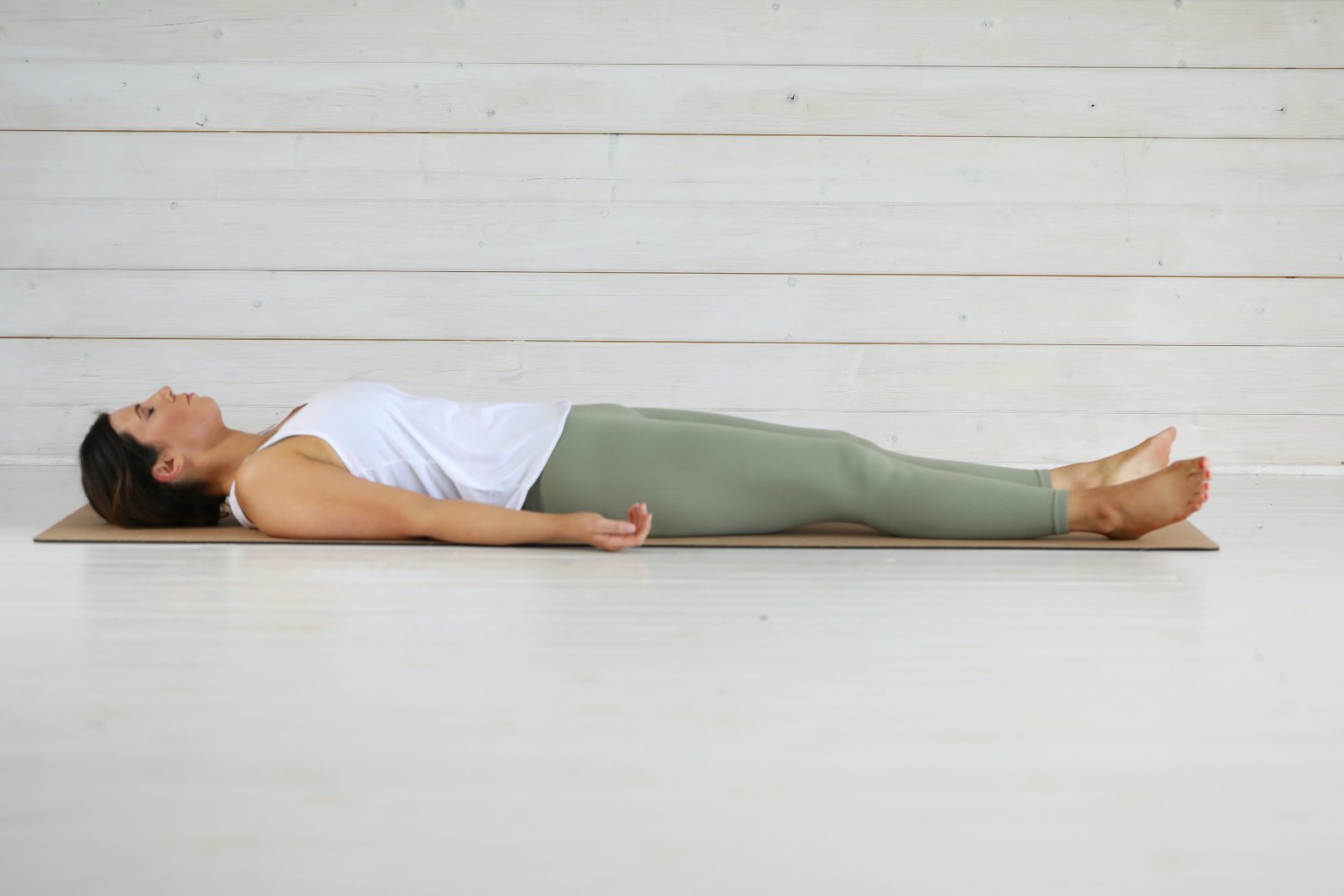
A sound bath involves lying comfortably on a mat, usually in a dimmed space, while a practitioner plays instruments around and above the group. Sessions run between forty-five and ninety minutes. The experience is entirely passive — no instruction, no technique, no requirement beyond being present. Most people report a rapid deepening of relaxation, often within the first ten minutes, followed by an altered state that is neither sleep nor waking alertness. Some experience emotional release; others describe visual phenomena; most report simply a quality of stillness they had not encountered before. It is one of the most accessible entry points into altered states that does not require any prior practice. The body responds whether or not the mind understands why.
What is sound healing?
Sound healing is the use of sound, including instruments such as singing bowls and gongs, in a relaxation practice. It encompasses a wide range of practices and instruments, from crystal and Tibetan singing bowls to gongs, tuning forks, and binaural beats.
How do sound frequencies affect the brain?
Through entrainment, the brain's electrical activity synchronises with external rhythmic frequencies over time. Sustained exposure to the lower frequencies produced by singing bowls and gongs consistently shifts brainwave activity from beta (alert, stressed) toward alpha and theta (relaxed, meditative).
What instruments are used in sound healing?
Crystal singing bowls, Tibetan singing bowls, gongs, tuning forks, and drums are the most common therapeutic instruments. Crystal bowls produce pure, sustained tones that interact with cellular structure; gongs produce a wide frequency spectrum experienced as full-body vibration; Tibetan bowls produce warm, complex overtones associated with deep relaxation.
What are the benefits of a sound bath?
Some people report feeling less tense and more relaxed after a sound bath. One 2016 study of Tibetan singing bowl meditation reported reductions in tension and anxiety, with the strongest effects in first-time participants. Sound baths are not a substitute for care for anxiety or depression.
Sound has been used in contemplative practice for a very long time.