Scent is the only sensory signal that bypasses the thalamus. Every other sense — sight, sound, touch, taste — is first routed through the brain's relay station, filtered and interpreted before reaching the emotional centres. Smell travels directly to the amygdala and hippocampus, arriving at the brain's emotional and memory architecture before any conscious interpretation occurs. This neurological shortcut is not incidental. It is the reason a single fragrance can produce an emotional response that reason cannot prevent.
The Shortcut No Other Sense Has
The olfactory bulb, a small structure at the base of the forebrain, receives molecular information from inhaled compounds and sends signals directly to the amygdala — the brain's threat and emotional processing centre — and to the hippocampus, where memories are consolidated and retrieved. The thalamus, which acts as the brain's relay station for all other senses, is bypassed entirely. The practical consequence of this routing is significant. A scent associated with safety or calm can activate the parasympathetic nervous system before the prefrontal cortex has had a chance to assess the situation consciously. The calming response arrives before the thought does.
What Specific Scents Do to Cortisol
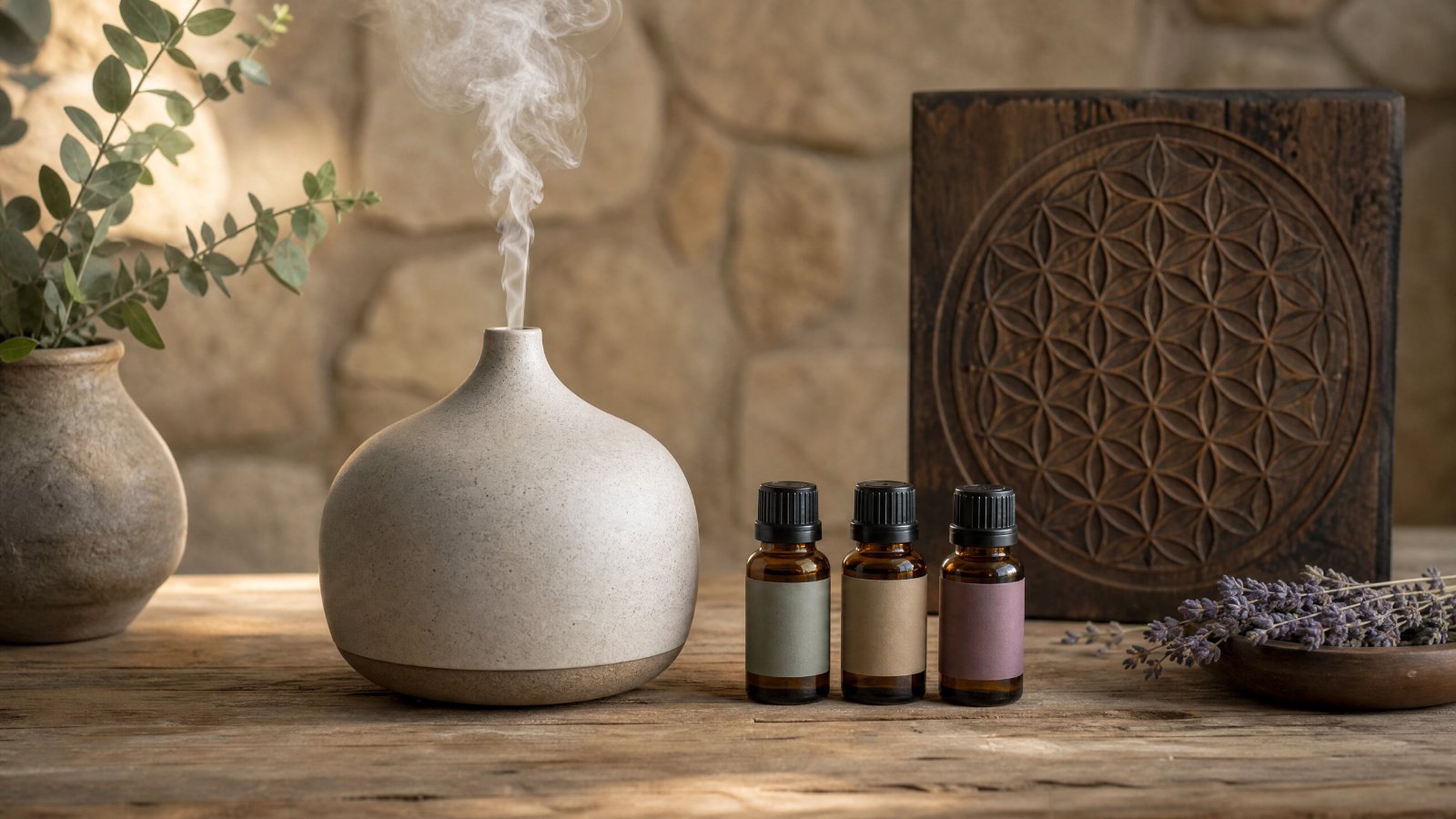
Lavender (Lavandula angustifolia) has been more rigorously studied than any other therapeutic fragrance, with consistent findings across multiple controlled trials. A 2013 study published in Phytomedicine found that a combination of lavender and orange essential oils significantly reduced anxiety and cortisol in patients waiting for a dental appointment — a context chosen specifically because baseline anxiety is elevated and consistent. Bergamot, extracted from the rind of the bergamot orange, has demonstrated anxiolytic effects through a different mechanism: it appears to act on GABA receptors, the same receptors targeted by benzodiazepine medications, producing calming effects without the pharmacological side effects. Frankincense (Boswellia sacra), used in sacred ritual across dozens of cultures, contains compounds that activate ion channels in the brain associated with reduced anxiety and elevated mood. These are not subtle effects detectable only under laboratory conditions. They are reproducible, mechanism-specific, and applicable — which is why the most rigorous wellness environments have moved from incidental to intentional use of scent.
The Architecture of the Olfactory Anchor
The olfactory anchor operates through classical conditioning: repeated pairing of a specific fragrance with a particular physiological state produces a learned association in which the scent alone can subsequently trigger that state. This is the same mechanism Pavlov documented, applied to human neurochemistry rather than salivation. Practically, this means a scent experienced consistently during deep relaxation — in a specific meditation space, during bodywork, or diffused throughout a retreat environment — becomes a conditioned trigger for that relaxed state. Encountering the same fragrance at home activates the same neurological response, though the cue is now a memory of the retreat rather than the retreat itself. This is not theoretical. It is the reason many retreat guests report that a specific incense at home produces a measurable shift in nervous system state — and why the choice of fragrance matters at institutions that understand what they are doing.
How the Most Intentional Retreats Use Scent
The retreats that approach scent as a therapeutic tool rather than ambient luxury tend to have two things in common: a coherent botanical philosophy rooted in the local landscape, and a consistency of application that allows the conditioning mechanism to work. At Lefay Resort & Spa Lago di Garda on the western shore of Lake Garda, spa botanicals are derived from the certified organic olive groves and lemon terraces of the surrounding hillside — plants that have produced their harvests since Roman times. The scent of the landscape is not decorative; it is part of a Five Elements TCM programme in which the sensory environment is understood as an active component of the therapeutic process. The fragrance of the olive groves permeates the spa, the rooms, and the outdoor spaces, shifting with the season. Kasbah Tamadot in Morocco's High Atlas foothills grounds its wellness programme in the Berber botanical tradition — argan, juniper, rose water, and the indigenous mountain herbs that have formed the basis of Atlas pharmacopoeia for centuries. The morning air at altitude carries a scent profile that guests consistently describe as physiologically arresting: juniper and mountain herb at clean altitude trigger a parasympathetic response before any formal treatment begins. Fivelements Retreat Bali on the Ayung River integrates plant-based medicine into its sacred arts programme with a coherence that goes beyond ambient diffusion. The botanical compounds used in ceremony, bodywork, and cuisine are drawn from the same Balinese plant tradition, creating a unified sensory environment in which the olfactory experience reinforces the therapeutic intent across every part of the day.
Building Your Own Anchor at Home
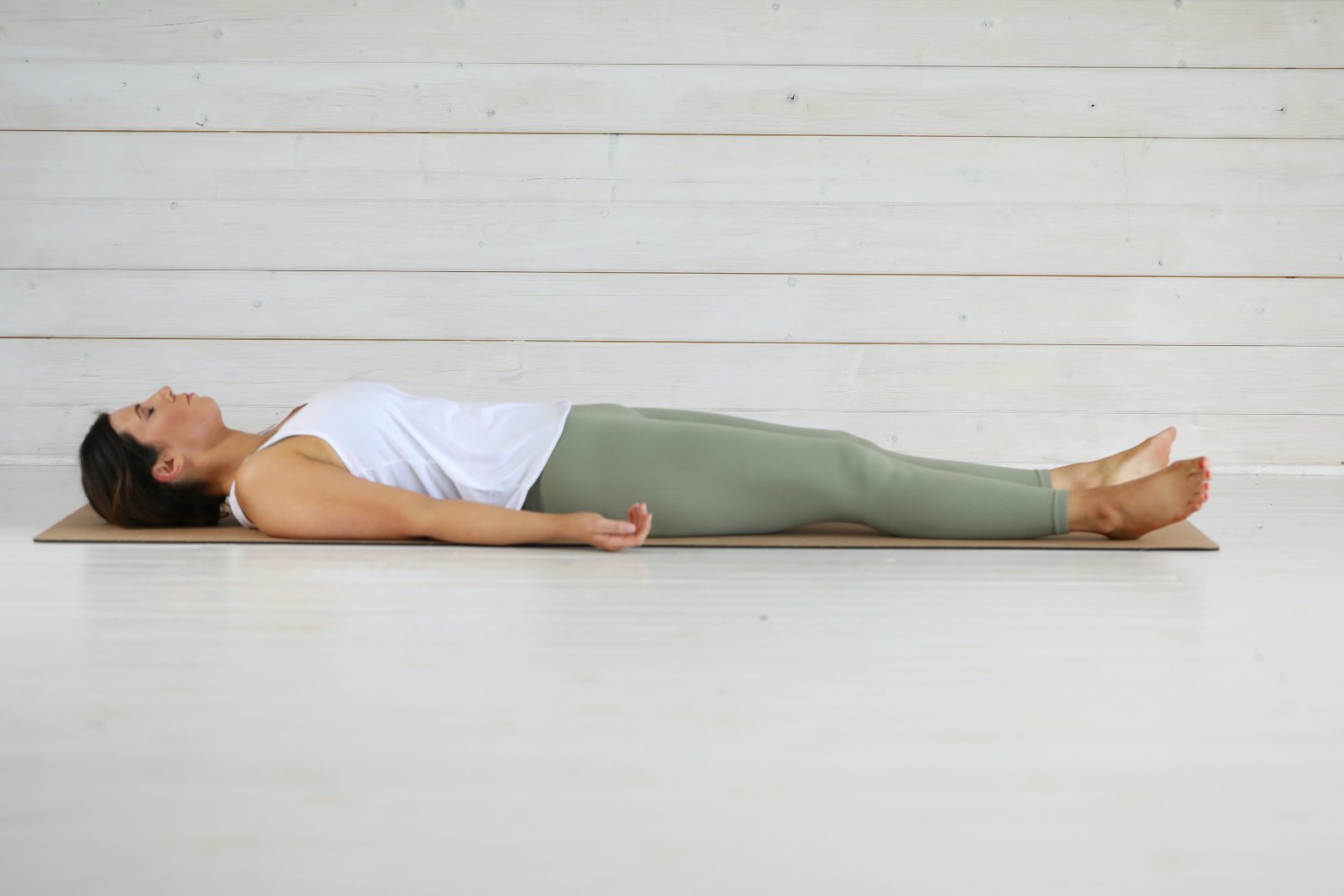
The conditioning mechanism works at home, but it requires consistency to establish. Choose one fragrance — ideally one not used in any other context — and use it exclusively during a daily practice of stillness: ten minutes of breathwork, meditation, or deliberate quiet. The fragrance should be present before the practice begins and remain throughout. After six to eight weeks of daily repetition, the scent alone will begin to produce the physiological state it has been paired with. The olfactory anchor is established. It can then be used in any context — a difficult moment, a long flight, a high-stress environment — to activate a calming response that bypasses the cognitive processing loop entirely. This is not aromatherapy as decoration. It is the nervous system's own conditioning mechanism, directed deliberately.
FAQ
How does scent affect emotion so immediately?
Unlike all other senses, olfactory signals travel directly to the amygdala and hippocampus without passing through the thalamus. This means a scent can activate the brain's emotional and memory centres before conscious processing has occurred — which is why the emotional response to a familiar fragrance can arrive faster than the recognition of what the smell is.
Which scents have the strongest evidence for stress reduction?
Lavender is the most extensively studied, with multiple controlled trials documenting reductions in cortisol and anxiety. Bergamot has demonstrated anxiolytic effects linked to GABA receptor activity. Frankincense contains compounds that activate ion channels associated with reduced anxiety. All three have been studied in clinical rather than purely laboratory contexts.
What is an olfactory anchor?
An olfactory anchor is a fragrance that, through repeated pairing with a specific physiological state, becomes a conditioned trigger for that state. The mechanism is classical conditioning: the brain learns to associate the scent with the neurological state it has been consistently paired with, and subsequently uses the scent alone to activate that state.
How do wellness retreats use scent therapeutically?
The most intentional retreats use scent in two ways: by creating a coherent botanical environment drawn from the local landscape, which provides consistent sensory context for the guest's entire stay; and by incorporating specific plant compounds into bodywork, ceremony, and treatment protocols, deepening the association between particular fragrances and particular physiological states.
Scent is the one sensory input that the rational mind cannot intercept before it has already produced its effect. The retreats that understand this are not selling fragrance. They are engineering calm at a neurological level. Explore mindfulness retreats → Browse all holistic hotels →