What Is Forest Bathing?
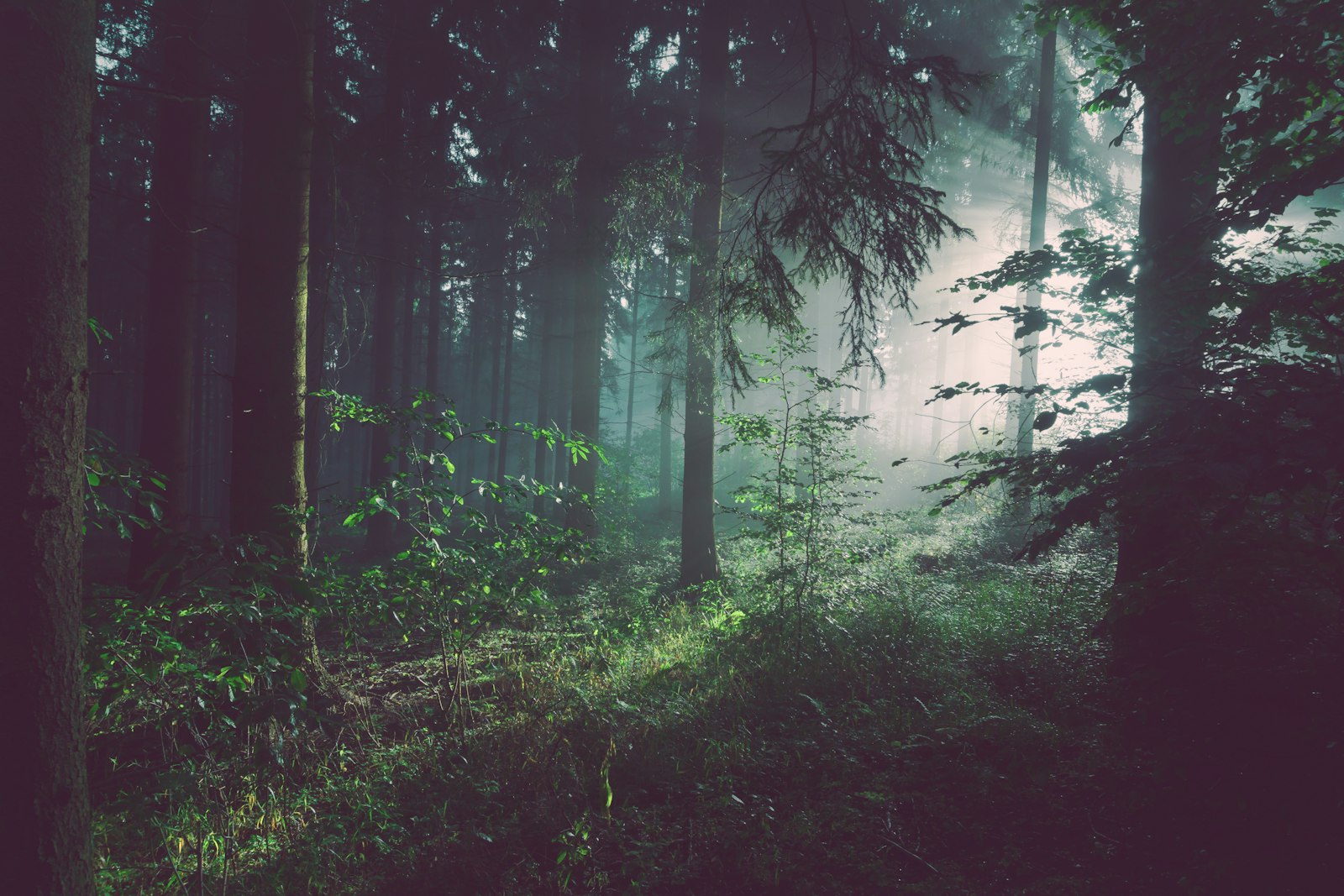
Shinrin-yoku — literally "forest bath" — was developed in Japan in the 1980s as a structured wellness practice, distinct from exercise. It does not involve hiking, jogging, or any vigorous activity. It is simply being in the presence of trees.
Research from Japan's Nippon Medical School reported higher natural killer (NK) cell activity, a type of immune cell, in people after time in forests. A single two-hour walk in the woods raised NK levels by 40%, and those effects lasted for a full month.
How to Practice
Leave your phone and camera behind. The goal is presence, not documentation.
1. Choose your forest — Old-growth forests with diverse species are ideal, but any wooded area will do. The key is trees.
2. Walk slowly — Meander without a destination. Stop when something catches your attention. Let your body lead.
3. Use all five senses — Feel the texture of bark. Smell the damp earth after rain. Listen for birdsong layered beneath the wind. Taste the clean air.
4. Sit and absorb — Find a comfortable spot and simply sit for twenty minutes. Notice how your breath deepens without effort.
What the Science Says
Forest environments lower cortisol, reduce blood pressure, and decrease heart rate. The phytoncides — natural oils released by trees — are being studied for possible effects on the body when inhaled.
Dr. Qing Li, author of Forest Bathing: How Trees Can Help You Find Health and Happiness, recommends two to four hours in a forest at least twice a month as a minimum therapeutic dose.
Finding Forest Bathing Retreats
An increasing number of holistic hotels now offer guided Shinrin-yoku programmes led by certified forest therapy guides. These guided sessions are particularly powerful for those new to the practice, as the guide helps participants slow down and attune to the subtleties of the forest.
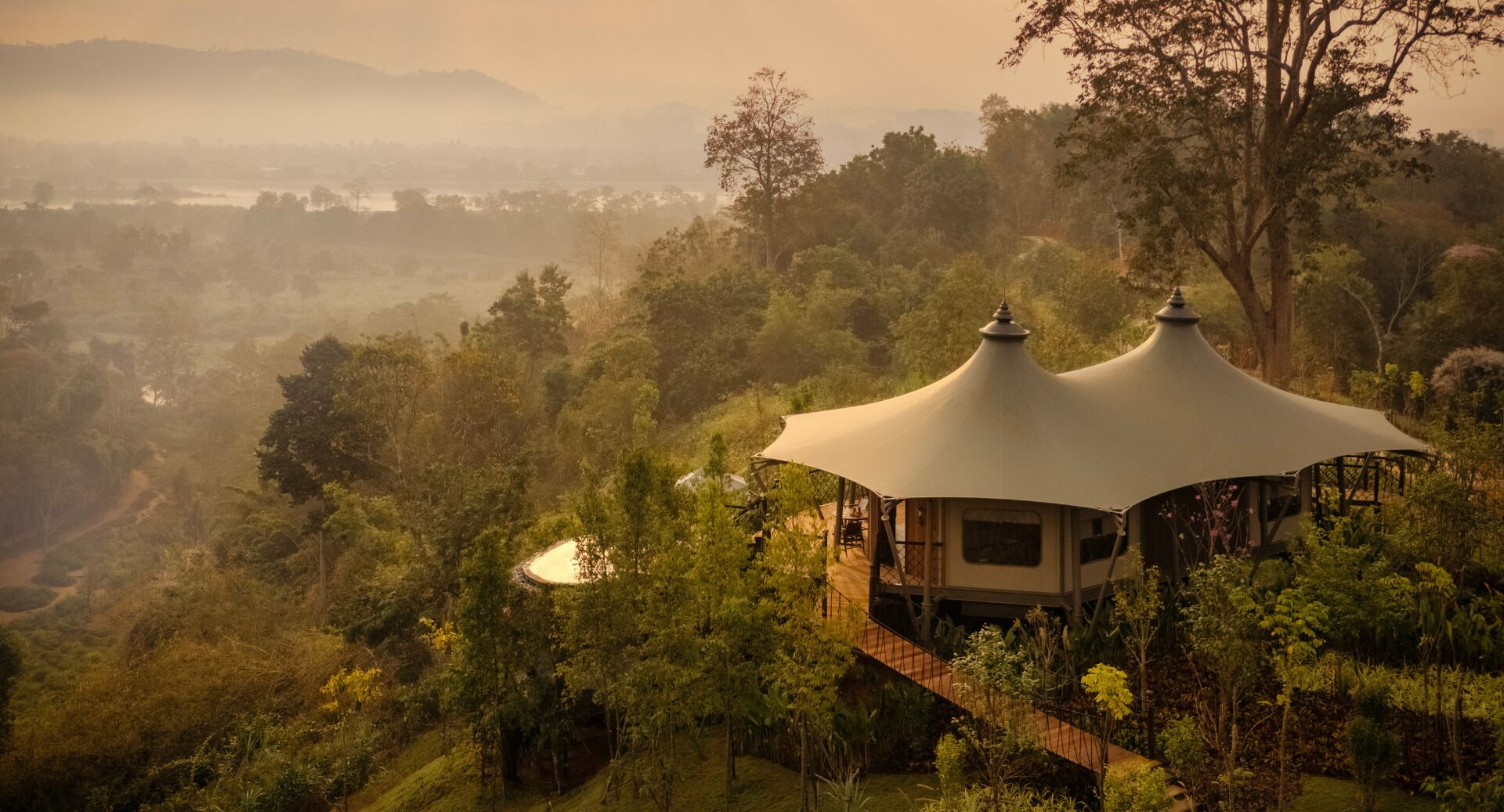
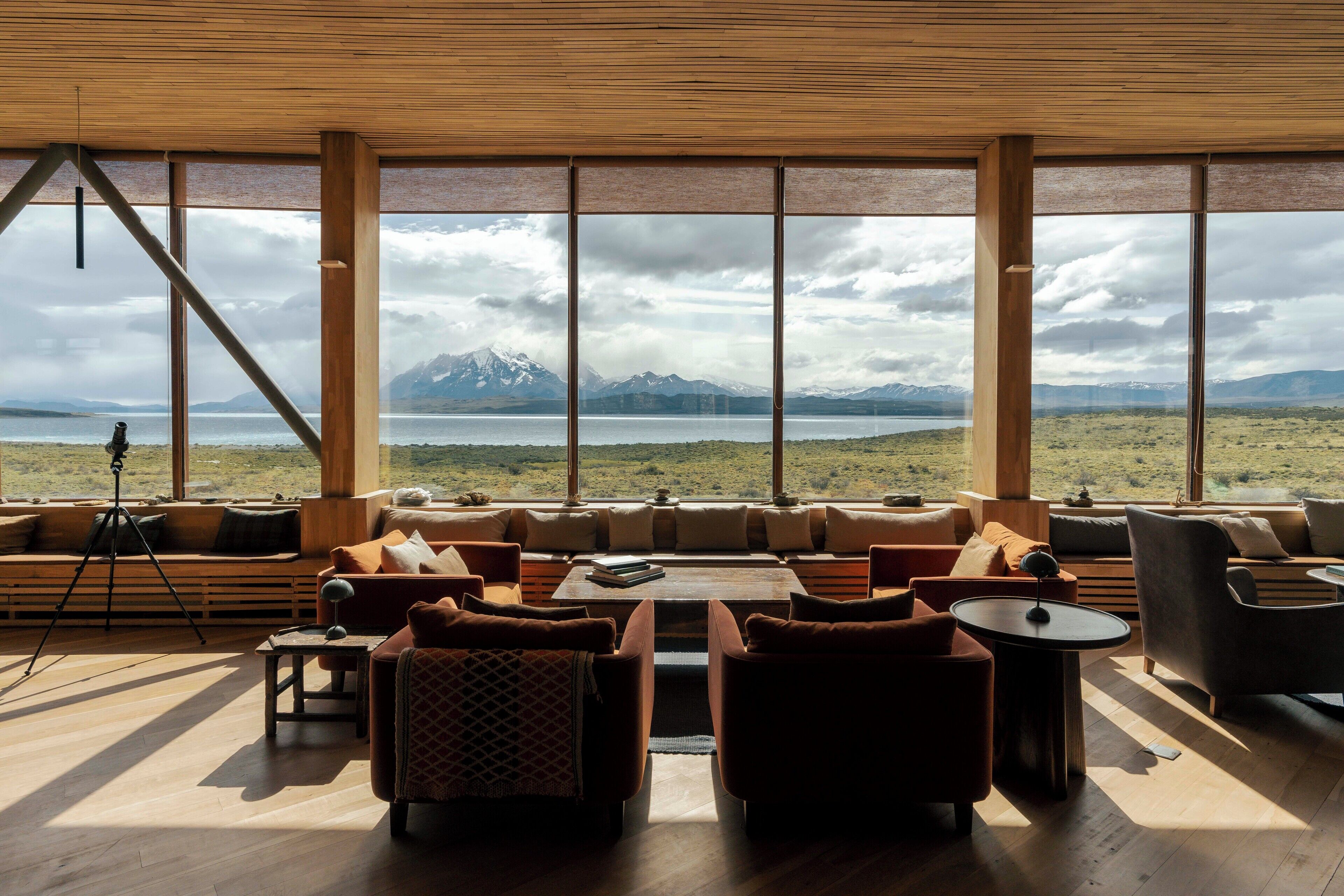
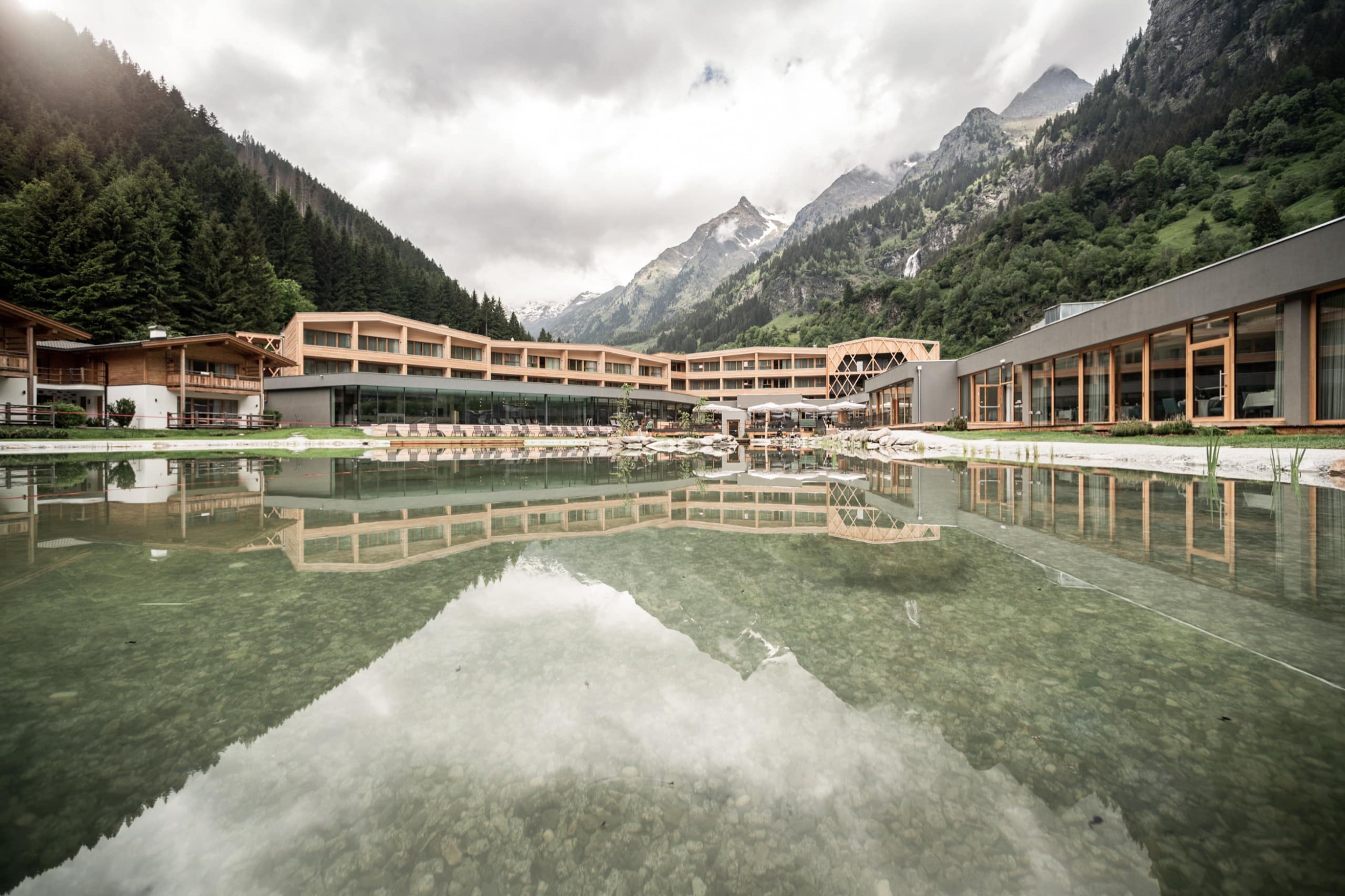
Look for mountain retreat properties in old-growth forests, with trails that meander rather than climb, and guides who walk in contemplative silence rather than as tour leaders.
A Final Thought
Forest bathing asks nothing of you except your presence. In a culture that rewards productivity and achievement, this simplicity can feel radical. That is precisely the point.
Ready to experience it? Browse our curated holistic hotels and find your forest sanctuary.
Frequently Asked Questions
What is forest bathing and how is it different from hiking?
Forest bathing (Shinrin-yoku) is the deliberate, unhurried practice of immersing yourself in a forest environment through all five senses — not hiking to a destination but being present within the forest itself. A typical session lasts two to four hours and covers less than a kilometre. The goal is sensory absorption, not physical exercise or reaching a viewpoint.
What does the science say about forest bathing?
Japanese research led by Dr. Qing Li at Nippon Medical School has reported effects including higher natural killer (NK) cell activity, lower cortisol and blood pressure, and better mood scores. Phytoncides — antimicrobial compounds released by trees — are thought to be a primary mechanism.
Where can I experience guided forest bathing at a wellness retreat?
For a curated look at specific properties and how to build forest bathing into a longer wellness trip, see our companion piece on forest bathing and Shinrin-yoku. Browse nature retreats and mountain retreats for more options in the meantime.
Can I practise forest bathing in an urban park?
Yes — though old-growth forest produces stronger phytoncide concentrations, urban parks with mature tree cover provide meaningful benefits. The practice scales: even 20 minutes of mindful attention to trees, birdsong, and ground textures in a local park may help you feel less stressed. Consistency matters more than finding a pristine wilderness setting.