Introduction: The Sanctuary of the Trees
In our increasingly digital and urbanized world, the simple act of walking through a forest has become a wellness practice. Forest Bathing, or Shinrin-yoku as it is known in Japan, is not about exercise, hiking, or jogging. It is simply about being in nature, connecting with it through our senses of sight, hearing, taste, smell, and touch. It is a bridge between us and the natural world, a way to return to our true selves.
The term Shinrin-yoku was coined by the Japanese Ministry of Agriculture, Forestry, and Fisheries in 1982. It was a response to the high levels of stress and burnout in the Japanese workforce, and it has since evolved into a globally recognized practice for holistic well-being. Today, forest bathing is a cornerstone of nature retreats worldwide, offering a sanctuary for those seeking to escape the noise of modern life.
What Research Suggests About Shinrin-yoku
Some studies have looked at the effects of forest bathing. When we spend time in a forest, we breathe in phytoncides, natural oils secreted by trees to protect themselves from germs and insects. These oils have been linked in some studies to higher activity of "Natural Killer" (NK) cells in the human body, which are essential for a healthy immune system.
Beyond the immune boost, forest bathing has a profound impact on our nervous system. Some studies suggest that time in a forest may lower cortisol levels (the stress hormone) and blood pressure. It is a biological reset button, shifting our bodies from the "fight or flight" sympathetic state to the "rest and digest" parasympathetic state.
How to Practice Forest Bathing: A Sensory Journey
Forest bathing is a practice of presence, not performance. To truly experience the trees, one must engage all five senses:
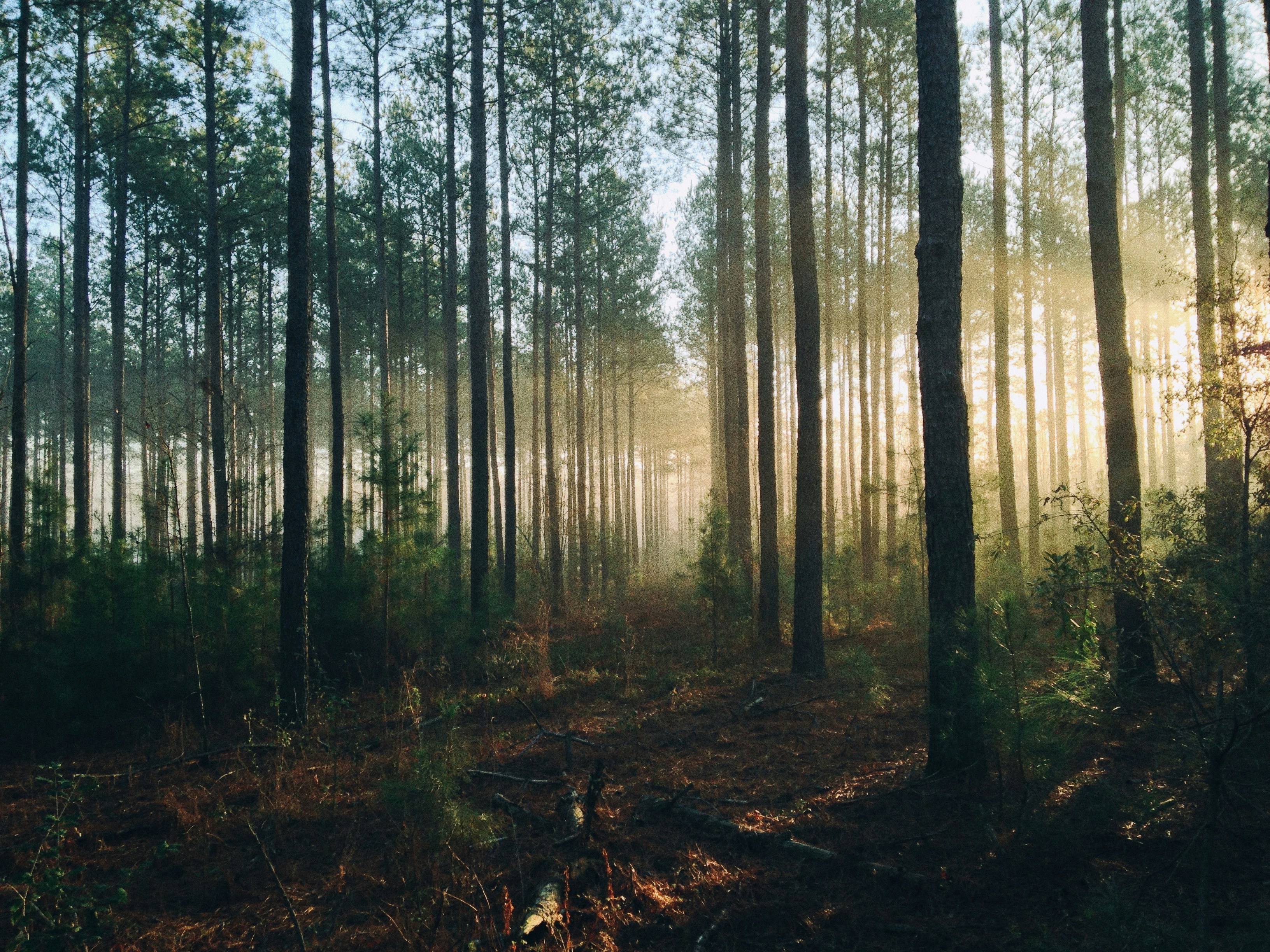
- Sight: Notice the dappled light filtering through the canopy, the intricate patterns of the leaves, and the subtle variations of green.
- Sound: Listen to the rustle of the wind in the branches, the distant call of a bird, and the crunch of dry leaves underfoot.
- Smell: Breathe in the earthy scent of damp soil, the fresh aroma of pine needles, and the delicate fragrance of wildflowers.
- Touch: Feel the rough texture of tree bark, the softness of moss, and the coolness of a mountain stream.
- Taste: If safe and guided, taste the sweetness of wild berries or the refreshing clarity of forest air.
The goal is to slow down and let the forest in. There is no destination to reach, only the present moment to inhabit. For those who wish to deepen their practice, pairing forest bathing with mindfulness and meditation creates a particularly powerful combination — the forest providing the container, and the practice providing the depth.
Forest Sanctuaries: Top Retreats for Shinrin-yoku
For those seeking a deeper immersion, many holistic hotels now offer guided forest bathing experiences led by certified forest therapy guides. These retreats provide the perfect environment to deepen your practice and experience the profound benefits of nature therapy.
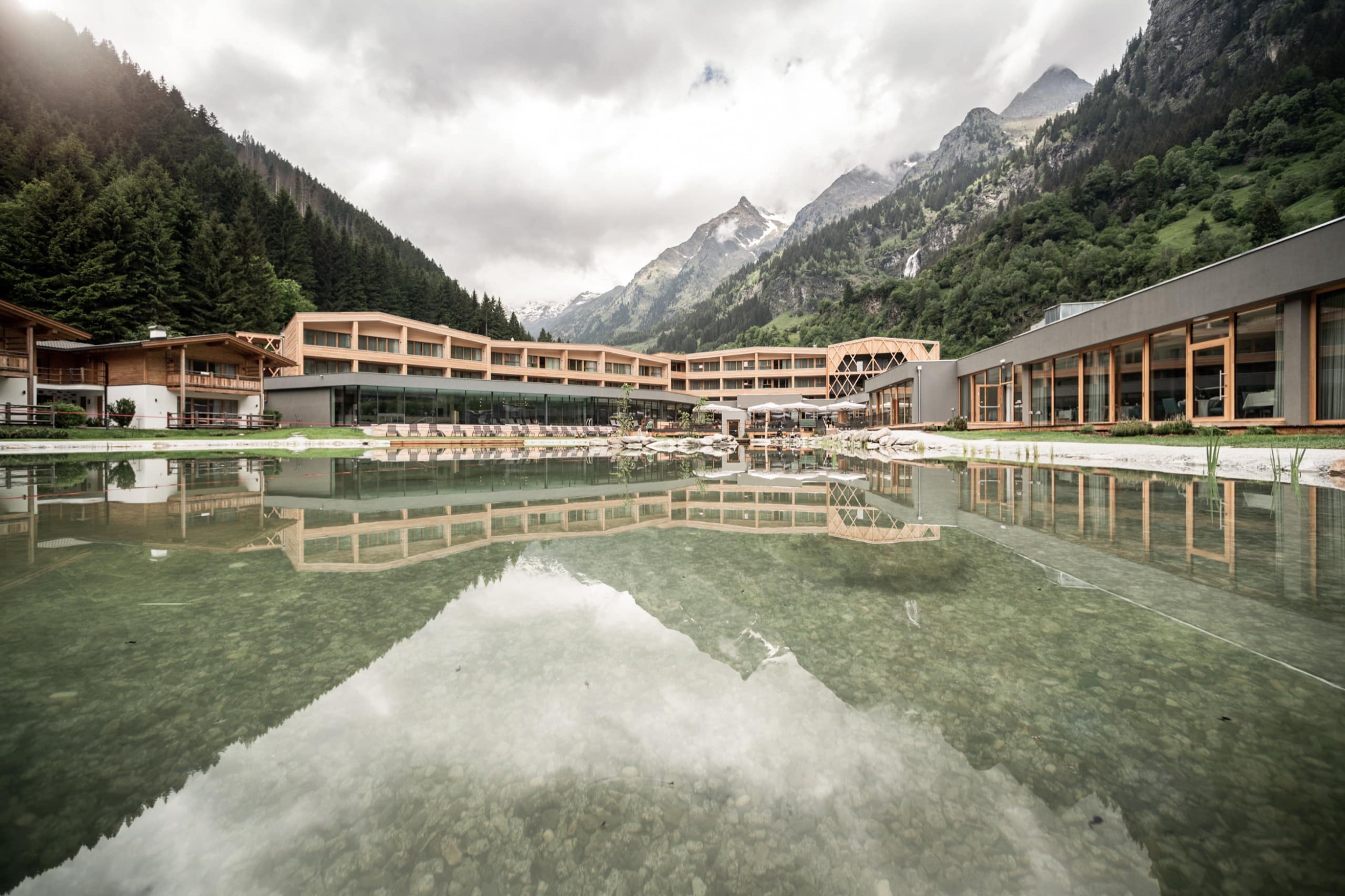
In the Italian Alps, Preidlhof offers "Earth Walking" and "Retreat to Nature" programs that leverage the stunning beauty of the Dolomites. In the United States, The Lodge at Blue Sky provides guided forest bathing in high-alpine aspen groves. For the practice fundamentals before booking either, see our companion piece, The Art of Forest Bathing.
Forest bathing is more than just a walk in the woods; it is a return to our biological roots. It is a reminder that we are not separate from nature, but a part of it. By slowing down and opening our senses to the sanctuary of the trees, we can find a sense of peace, clarity, and vitality that is often lost in the busyness of modern life.
Explore our curated collection of holistic hotels worldwide and find your next forest sanctuary.
Frequently Asked Questions
How often should I practise Shinrin-yoku to see lasting benefits?
Weekly sessions of 30 to 60 minutes produce the most consistent mood and stress benefits. For a deeper reset, a multi-day retreat immersed in forest — such as at Preidlhof or a nature retreat — can restore baseline stress levels that months of urban living have elevated.
Is forest bathing safe for people with allergies or asthma?
Forest bathing is generally safe and may even benefit respiratory conditions through exposure to clean, humid forest air. However, those with severe pollen allergies should choose low-pollen seasons (typically late autumn and winter in temperate climates) and avoid sessions during peak pollen counts. Guided programmes at wellness retreats can tailor the experience to individual health considerations.
What should I bring to a forest bathing session?
Comfortable, weather-appropriate clothing and closed shoes. Leave phones on silent or behind. A sit pad or lightweight mat can help for extended stillness periods. No special equipment is required — the practice is deliberately simple. Some guides provide journals for post-session reflection, which can deepen the experience.
How is forest bathing different from the shorter guide on this site?
Our Art of Forest Bathing article covers the fundamentals of Shinrin-yoku for beginners. This guide goes deeper into the science, global retreat options, and how to integrate forest bathing into a broader wellness travel itinerary. Both articles complement each other — start with the fundamentals, then return here for retreat planning.