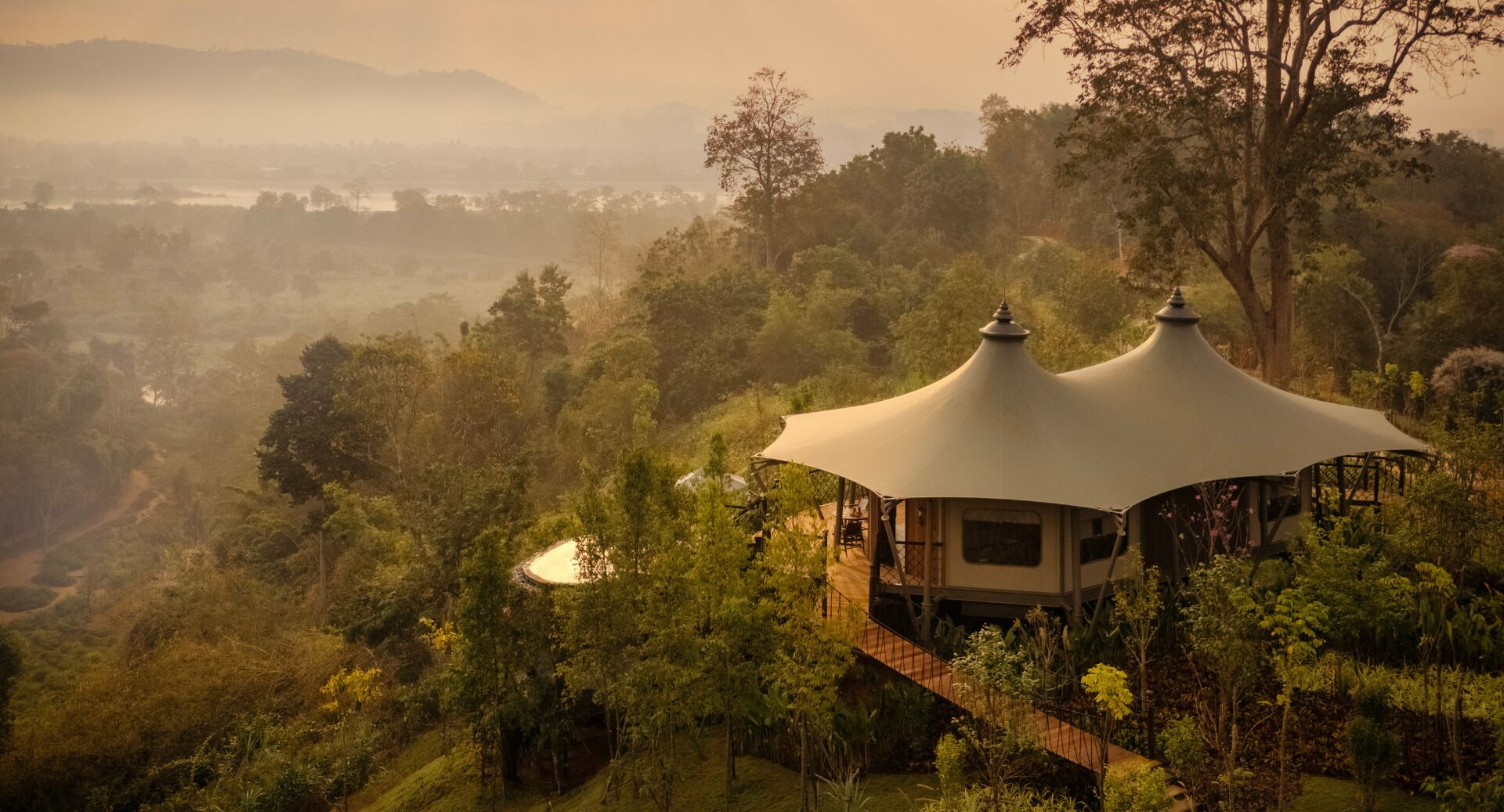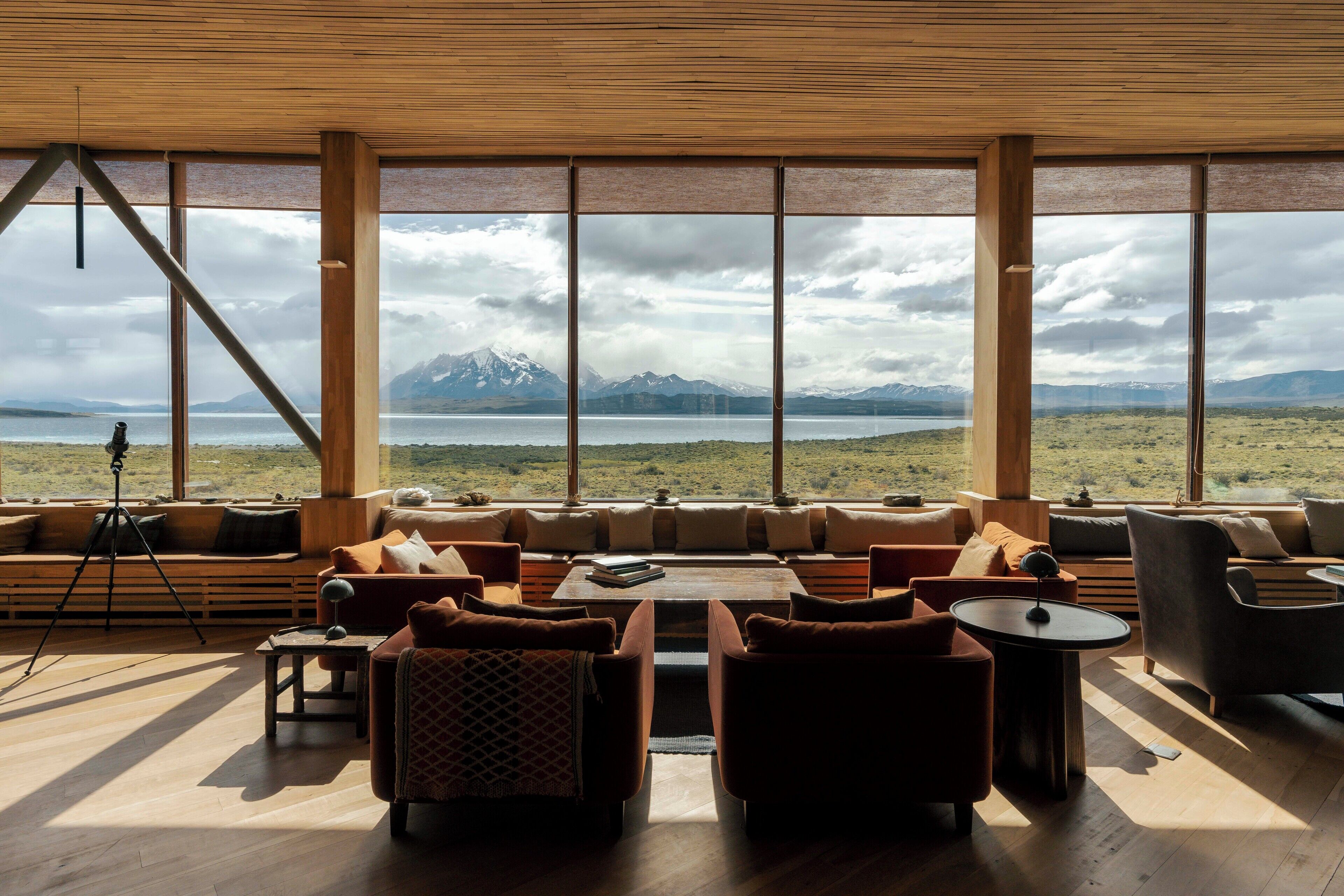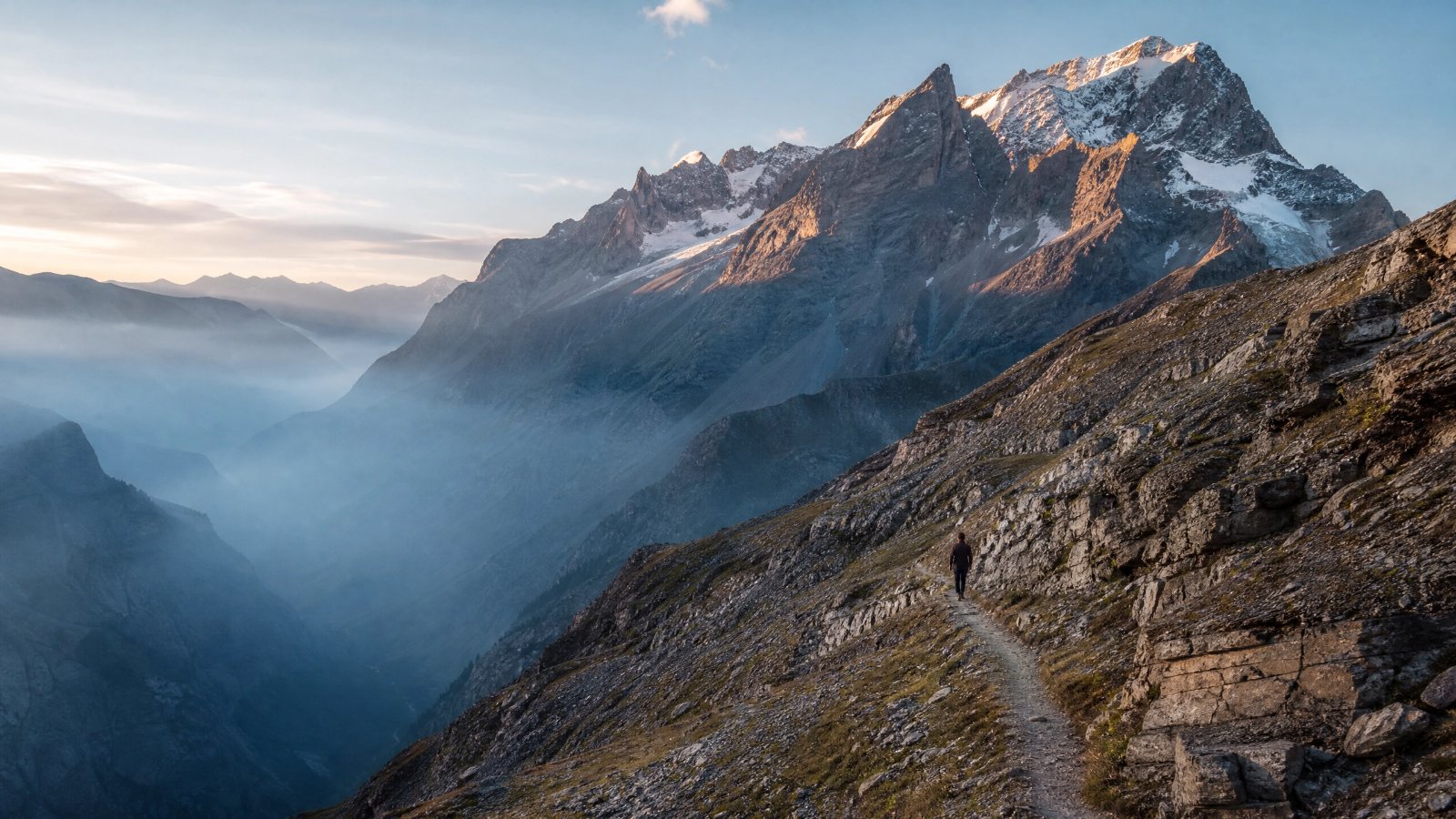
The mountain does not care about wellness. It is not trying to heal you. But the specific conditions it creates — reduced oxygen, increased UV radiation, lower barometric pressure, cold clean air, physical terrain — trigger a set of physiological adaptations that overlap precisely with what the wellness industry spends considerable resources attempting to engineer by other means. This is not coincidence. Mountain environments have been used deliberately for restoration across cultures for centuries, and the modern science of altitude physiology explains, in precise mechanistic terms, why they work.
What Lower Oxygen Does to Red Blood Cells
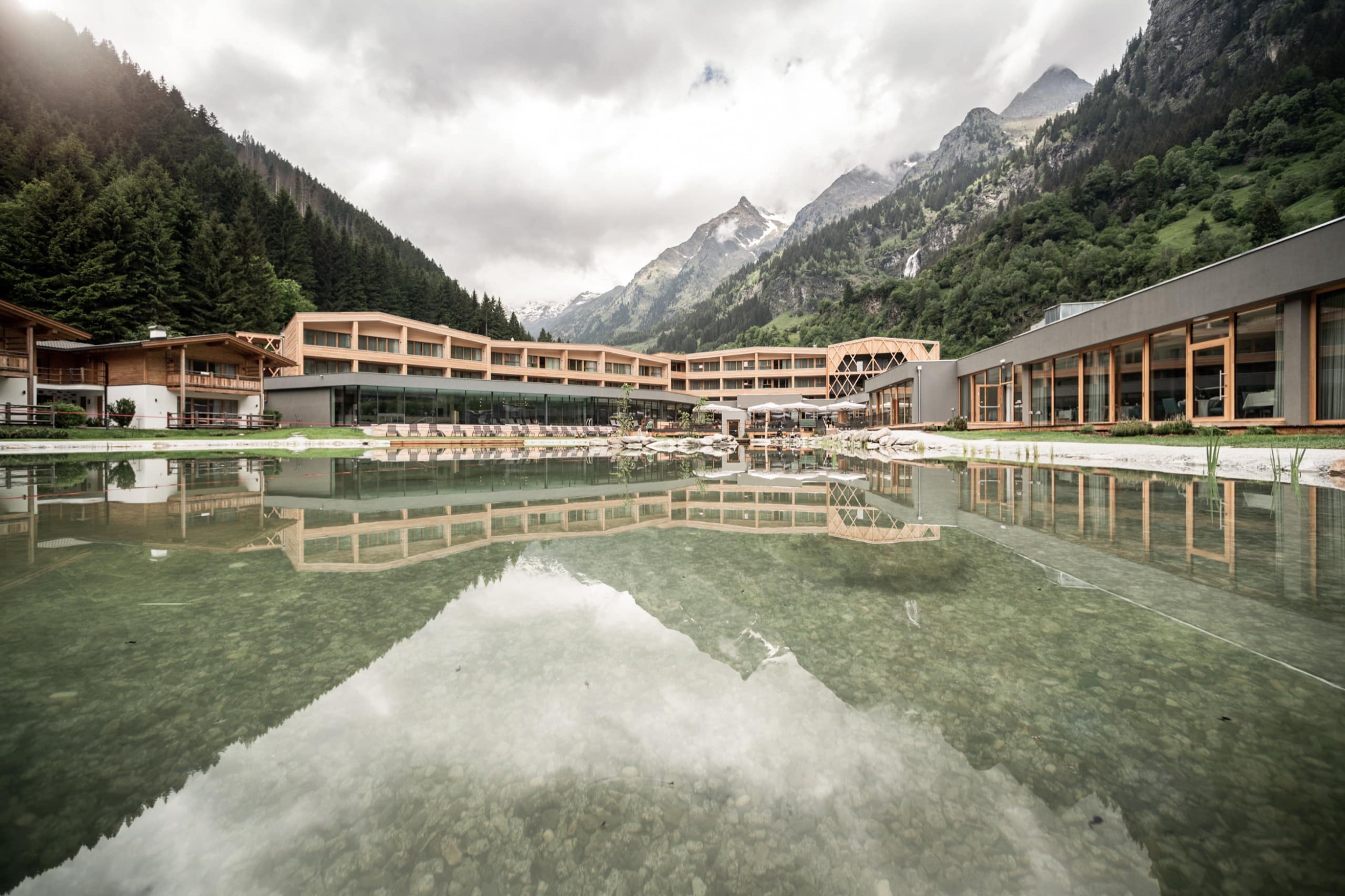
At altitude, the partial pressure of oxygen falls. The body detects this through specialised sensors in the carotid arteries and kidney tissue, and responds by releasing erythropoietin — EPO — stimulating the bone marrow to produce additional red blood cells, increasing the blood's oxygen-carrying capacity. EPO is the same compound that has made altitude training a fixture of elite athletic preparation for fifty years. The response begins within hours of altitude exposure and reaches physiological significance within days. A week at twelve hundred metres produces a measurable increase in haematocrit — the proportion of red blood cells in the blood — and a corresponding improvement in oxygen delivery to muscles, organs, and the brain. Guests at Feuerstein Nature Family Resort, situated at over thirteen hundred metres in the South Tyrolean Alps, are undergoing altitude adaptation from the moment they arrive, whether the formal programme includes it or not. The mountain is already working.
What Reduced Oxygen Does to the Mitochondria
Altitude hypoxia — the mild oxygen reduction experienced at wellness-relevant altitudes of eight hundred to two thousand metres — also triggers mitochondrial adaptation. Cells respond to reduced oxygen availability by improving their efficiency: mitochondria become better at extracting energy from available oxygen, new mitochondria are produced through the same biogenesis pathway that cold exposure triggers, and the cells' overall metabolic efficiency increases. Aro Hā above Lake Wakatipu in New Zealand's Southern Alps operates at an altitude that ensures this adaptation is in process throughout every guest's stay. The demanding daily hiking programme the retreat requires works with the altitude adaptation already underway, compounding the physiological effect. The mountain is doing part of the work before the first session begins.
The Air Quality No Facility Can Replicate
Above eight hundred metres, particulate matter, nitrogen dioxide, and the biological aerosols associated with urban density are reduced or absent. Alpine air has a different composition of biological materials than lowland air, including higher concentrations of negative ions generated by moving water, UV-ionised atmosphere, and the terpene compounds released by coniferous forest. Negative ions have documented effects on serotonin metabolism: airborne negative ions increase serotonin availability at synaptic junctions, producing mood effects consistent with what high-altitude visitors commonly describe without knowing why. The terpene compounds released by pine and fir forests — the chemicals responsible for the distinctive smell of alpine woodland — have demonstrated anti-inflammatory and immune-modulating effects in controlled studies. The air at Lanserhof Lans in the Lans valley above Innsbruck is not a wellness metaphor. It is a pharmacological input. Mayr Health Resort Altaussee on the Salzkammergut lakes situates its digestive regeneration programme within one of the highest-quality air environments in Central Europe. The Mayr protocol demands precisely what altitude supports: a slowed physiological rhythm, reduced inflammatory load, and a gut that is not competing with a polluted external environment. The setting is not incidental to the programme. It is part of it.
The Scale of the Mountain as a Neurological Experience
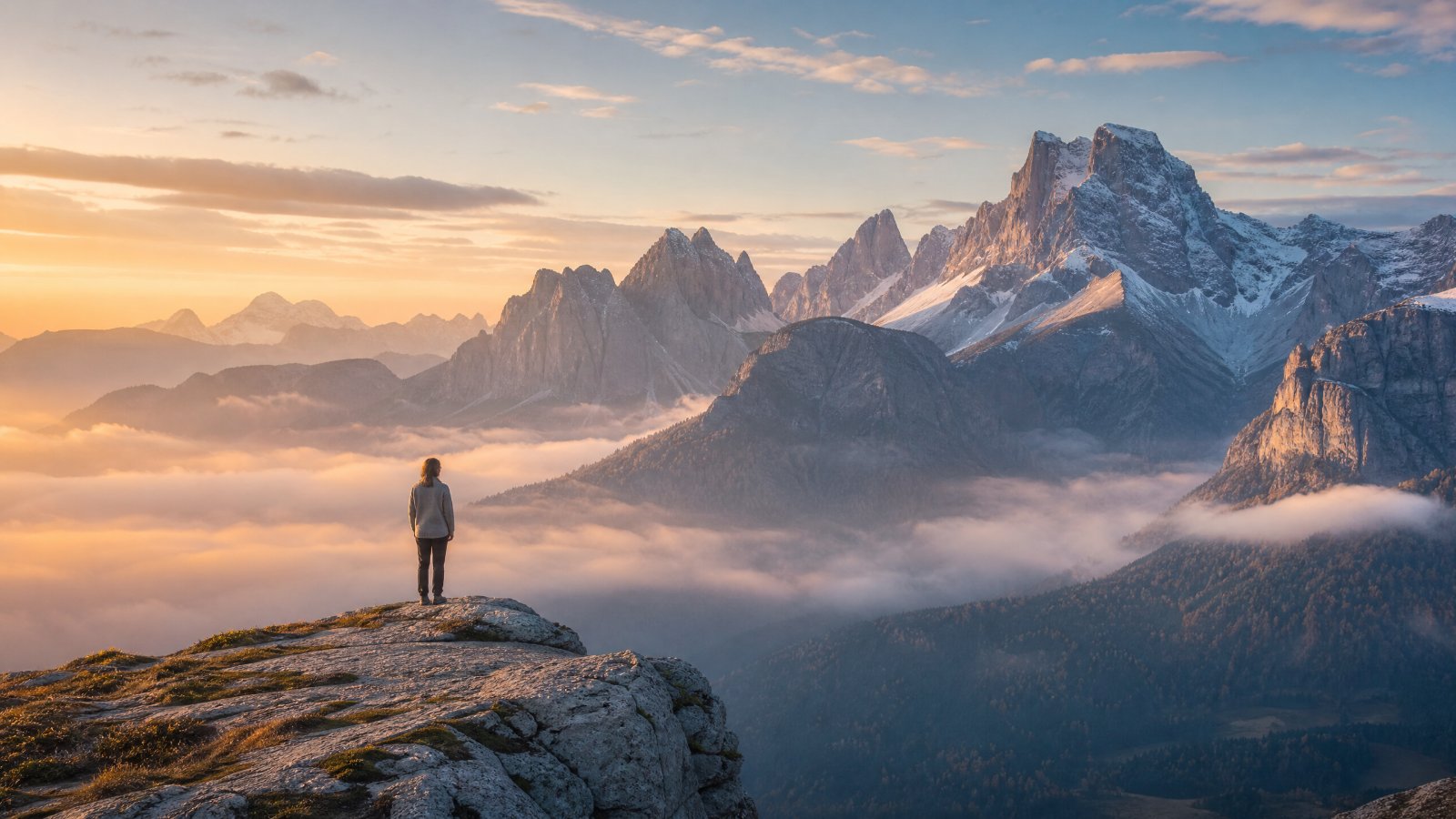
Research on the experience of awe — the response triggered by encountering something vast enough to require cognitive restructuring — identifies consistent physiological effects: reduced self-referential processing, decreased inflammatory cytokine levels, and a shift in time perception that reduces the urgency-driven cognitive state associated with modern working life. The visual scale of a mountain environment, with its depth of field measurable in tens of kilometres and its vertical extent exceeding anything the urban brain regularly encounters, is one of the most reliable awe triggers available. Preidlhof in the Vinschgau valley of South Tyrol occupies a position of Alpine severity that gives the daily mountain hiking programme a visual context that compounds the awe response with every ascent. Guests who arrive for the spa experience the mountain. The mountain does not leave them unchanged. Hacienda AltaGracia in Costa Rica's Talamanca range, sitting at over a thousand metres where cloud forest meets coffee cultivation, produces a version of this effect in a tropical rather than Alpine register: the scale is different, the air has a different biological composition, but the altitude adaptation and the awe response operate through the same mechanisms. The mountain is the same argument made in a different language.
FAQ
Do you need to be at high altitude to get physiological benefits from mountain environments?
No. Meaningful physiological effects — increased EPO production, improved mitochondrial efficiency, enhanced air quality, and the neurological effects of natural terrain and scale — begin at altitudes accessible to most wellness properties, typically from around eight hundred metres. The effects scale with altitude but are not absent below significant peaks.
How long does altitude adaptation take?
The body begins responding within hours through EPO release. Altitude affects people differently. If you have a heart or lung condition, are pregnant, or have had altitude sickness before, check with a doctor before travelling. For the altitudes typical of Alpine wellness properties, most guests are in active beneficial adaptation throughout the duration of a standard five-to-seven-day stay — which means the adaptation is working in parallel with whatever the formal programme delivers.
What are negative ions and why do they matter?
Negative ions are electrically charged particles found in high concentrations near moving water, at altitude, and in forest environments. They have documented effects on serotonin metabolism, increasing synaptic availability, and have been associated with improved mood, reduced fatigue, and enhanced cognitive function in research comparing natural and urban environments.
Why is mountain hiking considered medically significant rather than just exercise?
Mountain hiking combines cardiovascular load with altitude adaptation, terrain variability that engages stabiliser muscles rarely activated on flat surfaces, UV exposure, negative ion and terpene inhalation, and the neurological effects of visual scale and natural depth. Each produces physiological effects that flat-surface exercise in an urban environment does not. The combination is the point.
The mountain is not a metaphor for challenge or achievement. It is a specific physiological environment whose effects on human biology are measurable, reproducible, and distinct from what any built facility can produce. The retreats that understand this have stopped competing with it. They have built into it. Explore mountain retreats → Browse all holistic hotels →