The practice of alternating heat and cold has been used in Finnish, Russian, and Nordic cultures for centuries as physiological maintenance rather than ritual. Modern sports medicine and neuroscience have now mapped the mechanism precisely. The governing principle is hormesis — and its applications extend well beyond athletic recovery.
Hormesis: The Science of Beneficial Stress
Hormesis is the biological phenomenon in which a controlled, moderate stressor produces an adaptive response that is disproportionately beneficial. The dose is the critical variable. Too little produces no response; too much produces damage; precisely calibrated, the stressor triggers a cascade of cellular repair, neurochemical release, and metabolic adaptation. Thermal contrast therapy — alternating between heat exposure (sauna, steam, hot spring) and cold immersion (cold plunge, ice bath, cold shower) — is one of the most reliable hormetic interventions available. The body responds to each extreme with a distinct physiological programme, and the contrast between them accelerates and deepens effects that either alone would produce more slowly.
The Neurochemical Surge
Cold exposure is one of the few non-pharmacological interventions that reliably and substantially increases dopamine. A study of cold-water immersion reported dopamine increases of up to 250%, with the effect persisting for several hours after exposure — not the brief spike that stimulants produce, but a sustained elevation that some people report as improved focus and mood. Norepinephrine, the neurotransmitter central to attention, vigilance, and energy, increases by up to 300% in response to cold exposure. This is also the primary anti-inflammatory pathway through which cold therapy operates: elevated norepinephrine suppresses cytokine production and reduces the systemic inflammatory load that underlies many chronic health conditions. The mechanism explains what Nordic sauna culture has produced empirically over generations: the cold is not punishment for the heat. It is the point of the heat.
What Happens at the Cellular Level
Heat exposure, particularly in the sustained dry environment of a Finnish sauna, triggers the production of heat shock proteins — molecular chaperones that identify and repair misfolded proteins, including those implicated in neurodegenerative disease and cellular ageing. Regular sauna use has been associated in long-term studies with lower rates of cardiovascular disease, dementia and death, though this shows an association rather than proof, and people with heart conditions, high blood pressure or pregnancy should check with a doctor before using saunas or cold immersion. Cold exposure drives a complementary process: mitochondrial biogenesis, the creation of new mitochondria in response to the energetic demands of thermogenesis. More mitochondria means more efficient cellular energy production and a higher metabolic baseline. The combination of heat-induced protein repair and cold-induced mitochondrial expansion produces an environment of accelerated cellular renewal. This is why thermal contrast therapy has moved from the recovery rooms of elite sports facilities into the programmes of medical wellness retreats. The effects are measurable, reproducible, and cumulative.
How Retreats Apply the Protocol
The environments matter as much as the temperatures. A cold plunge in a clinical facility produces a different response than cold immersion in the glacial spring-fed pools at Preidlhof in South Tyrol, where the surrounding mountain landscape and the sensory quality of the Alpine water amplify the physiological effects with an environmental dimension that cannot be replicated indoors. Lanserhof Lans in Austria integrates thermal contrast within its LANS Med diagnostic and regeneration programme — the contrast protocol is not an amenity but a prescribed element of the individual's programme, calibrated to their specific physiological profile and wellness objectives. Guided thermal therapy, with precise temperature and duration parameters, produces significantly better outcomes than self-directed use. Arctic Bath in Swedish Lapland takes the contrast principle to its environmental extreme: a floating spa on the Lule River whose architecture is explicitly designed around the contrast between the fire of its sauna and the Arctic cold of the river below. The surrounding wilderness — temperatures drop to minus twenty in winter — ensures the cold component is not softened by any concession to comfort. This is thermal therapy as it was always understood in northern Europe: complete, demanding, and revelatory.
What a Well-Designed Session Looks Like
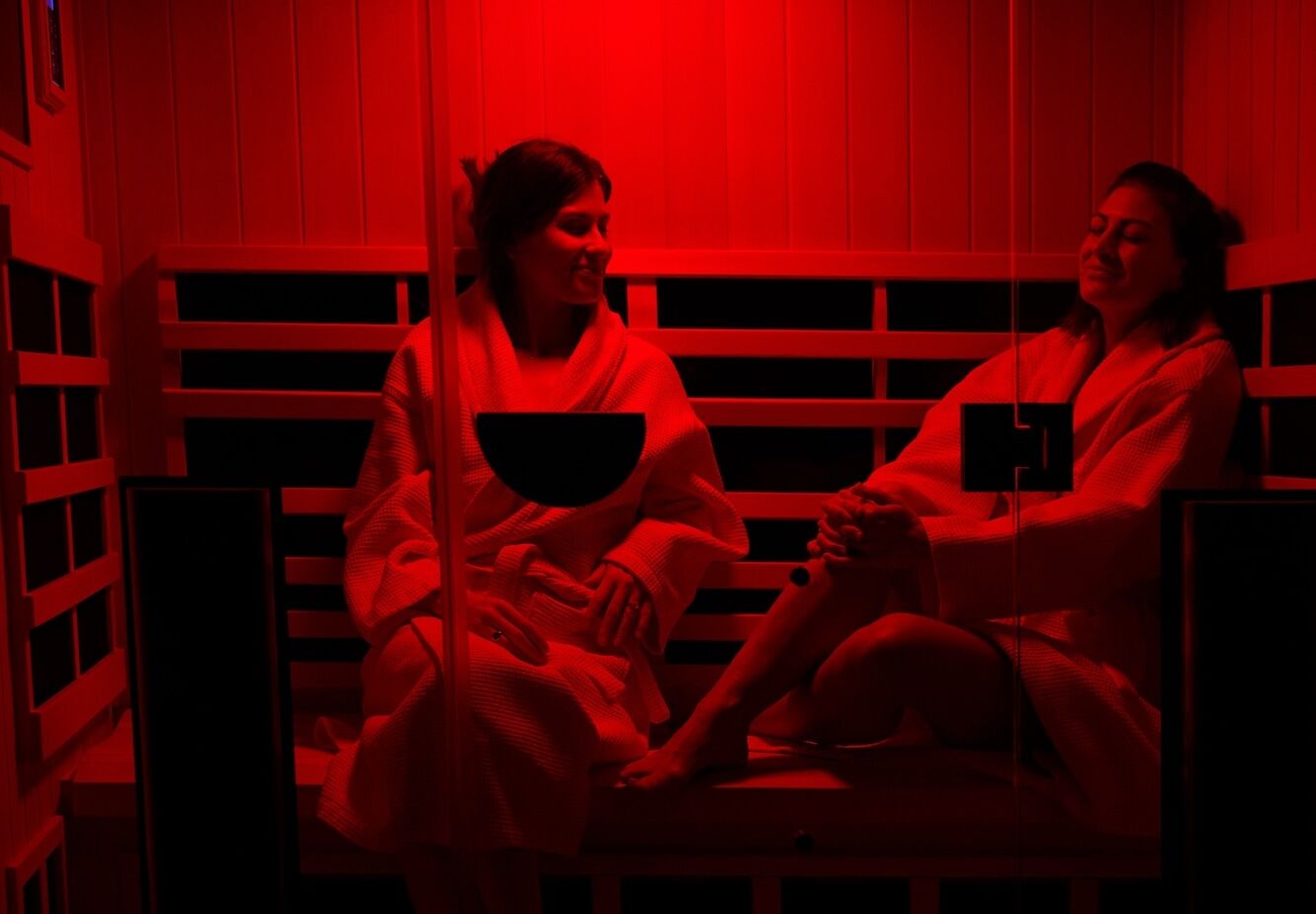
The standard protocol involves three to four cycles of heat and cold within a single session. Heat exposure typically runs ten to twenty minutes in a sauna at 80 to 100 degrees Celsius, followed immediately by cold immersion for two to five minutes, then a period of rest at ambient temperature before repeating. Total session time runs sixty to ninety minutes. The rest phase is not optional. It is during the return to baseline — the body reregulating after each contrast cycle — that many of the most significant adaptive responses are triggered. Most practitioners recommend beginning with three cycles and increasing as adaptation develops. The cold should be uncomfortable but not overwhelming; the goal is controlled stress, not physiological shock.
FAQ
What is thermal contrast therapy?
Thermal contrast therapy involves alternating between exposures to heat — typically sauna, steam room, or hot spring — and cold, typically cold plunge, ice bath, or cold shower. The deliberate contrast triggers neurochemical, cardiovascular, and cellular adaptive responses that neither heat nor cold alone produces as effectively.
What is hormesis in the context of thermal therapy?
Hormesis is the biological principle by which a moderate, controlled stressor produces a beneficial adaptive response. In thermal therapy, the stress of extreme temperature — brief, calibrated, and alternated — triggers cellular repair, neurotransmitter release, and metabolic adaptation that improve systemic resilience over time.
How does thermal contrast therapy affect mood?
Cold exposure reliably increases dopamine by up to 250% and norepinephrine by up to 300%, with effects persisting for several hours after the session. These are the neurotransmitters central to mood regulation, motivation, and focus. The effect is a sustained elevation that most people describe as clarity rather than energy.
What are the cellular benefits of this therapy?
Heat exposure triggers heat shock protein production, which repairs damaged and misfolded proteins implicated in cellular ageing and neurodegeneration. Cold exposure drives mitochondrial biogenesis — the creation of new cellular energy producers. Together, these processes create conditions for accelerated cellular renewal that extend well beyond the session itself.
The retreats that take thermal contrast seriously — as physiology rather than spa experience — are delivering outcomes that are measurable, cumulative, and genuinely significant. The protocol is demanding. The results justify it. Explore detox retreats → Discover luxury wellness →