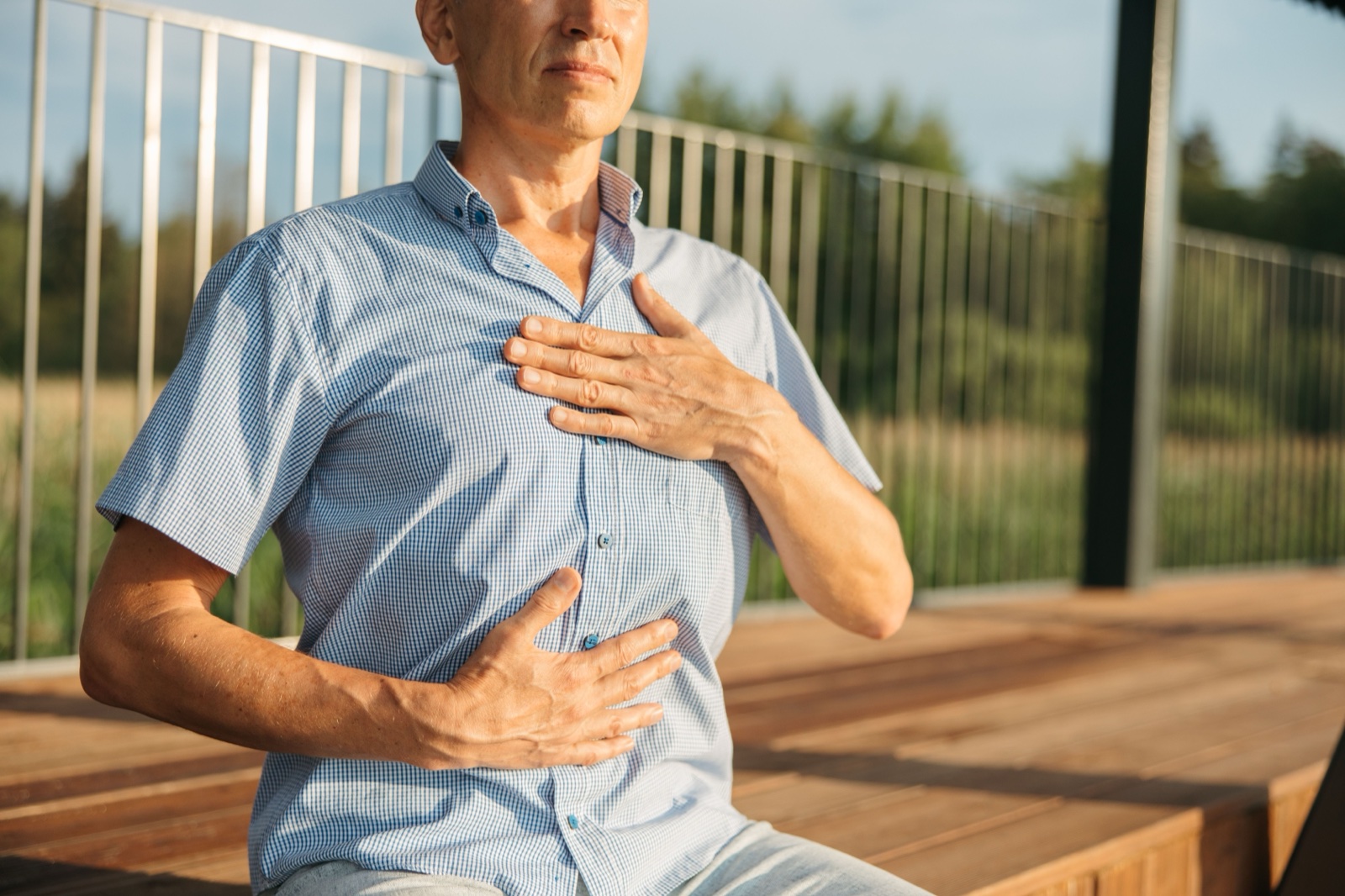
The body keeps a record that the mind cannot always access. When stress or trauma is not fully processed, the survival responses they trigger — fight, flight, or freeze — remain partially activated in the nervous system. This is not a psychological concept. It is a measurable physiological state, expressed in chronic muscle tension, autonomic dysregulation, and the way the nervous system continues to respond to threat signals long after the original event has passed. Cognitive approaches to trauma and stress have produced important tools. But the body often requires a different language entirely.
How Survival Responses Get Stuck
When the nervous system registers a threat, it mobilises the body for rapid action. Cortisol and adrenaline spike; heart rate and breathing accelerate; the musculoskeletal system prepares for fight or flight. This is appropriate — it is the body performing its primary function. The problem arises when those responses are neither completed nor resolved. Danger that ends before the survival response runs its full cycle leaves the nervous system in a state of partial activation. The mobilisation energy remains, held in the tissue and the autonomic nervous system, cycling without resolution. Over time, this unresolved activation presents as chronic tension, hypervigilance, digestive disruption, sleep difficulty, and a pervasive sense of dread or unease that cannot be attributed to any current circumstance. The body is still running the programme for a threat that has passed.
What the Fascia and the Vagus Nerve Are Doing
Fascia — the connective tissue that envelops muscles, organs, and nerves throughout the body — is densely innervated and highly responsive to stress states. Under chronic activation, fascia tightens and restricts, producing the postural patterns, limited range of motion, and persistent pain that are common in people carrying unresolved stress. The vagus nerve, the primary highway of the parasympathetic nervous system, is central to how the body moves between states of mobilisation and rest. A well-regulated vagus nerve allows the nervous system to return to baseline after stress. A vagus nerve chronically suppressed by trauma or stress loses this flexibility — the nervous system becomes less able to downregulate, and rest becomes physiologically as well as psychologically difficult. The tone of the vagus nerve is measurable via heart rate variability, and its dysregulation is one of the most consistent physiological findings in people with histories of chronic stress or trauma.
What Somatic Experiencing Actually Does
Somatic Experiencing, developed by Dr. Peter Levine, is a body-based approach to stress and trauma. It is not a substitute for care from a qualified mental health professional. The approach works with what Levine calls the felt sense — the body's moment-to-moment experience of its own state. By guiding attention to physical sensation rather than cognitive content, SE allows the nervous system to complete the survival responses that were interrupted. This completion happens through subtle, often involuntary movements: trembling, spontaneous breath changes, temperature shifts, the slow release of held tension. These are not symptoms of distress. They are signs of resolution. The process is carefully titrated — the practitioner works in small steps, never flooding the system. The nervous system is allowed to discharge trapped energy at its own pace, which is the only pace at which genuine resolution can occur.
The Tools: Breathwork, Movement, and Bodywork
Wellness retreats are incorporating the somatic toolkit in ways that extend beyond individual SE sessions. Conscious breathwork — specifically practices that influence the autonomic nervous system by modulating the breath's rate, depth, and rhythm — directly affects vagal tone. Extended exhalations activate the parasympathetic system; specific breath patterns can access and release held tension that talk-based approaches cannot reach. At Kamalaya on Koh Samui, breathwork is integrated within a programme that treats emotional health as continuous with physical health — the breath understood as the most direct available lever for autonomic regulation. Mindful movement — yoga, Qigong, intuitive movement, walking meditation — releases fascial restriction and restores the physical fluidity that chronic stress progressively removes. The goal is not performance or flexibility but proprioceptive reconnection: the re-establishment of a relationship between conscious awareness and bodily experience that stress systematically erodes. Fivelements in Bali integrates movement within sacred ceremony, a context that amplifies the somatic work by engaging the whole person rather than just the physical body. Therapeutic bodywork — myofascial release, craniosacral therapy, somatic massage — addresses fascial restriction directly, with touch that works with the nervous system's own regulatory responses rather than overriding them. The practitioner's skill is in sensing and following, not directing.
FAQ
What is Somatic Experiencing?
Somatic Experiencing is a body-oriented therapeutic approach developed by Dr. Peter Levine that addresses trauma and chronic stress by working with the body's own resolution mechanisms. Rather than processing narrative or memory cognitively, SE guides awareness to bodily sensation to allow the nervous system to complete interrupted survival responses and discharge stored activation energy.
How does the body store trauma?
When survival responses are not completed, the mobilisation energy they generate remains held in the nervous system and musculature. This presents as chronic tension, postural restriction in the fascia, dysregulation of the vagus nerve, and a persistent state of hypervigilance that cannot be switched off by cognitive decision alone.
Can breathwork help release emotional trauma?
Yes. Conscious breathwork directly influences the autonomic nervous system by modulating vagal tone — the extended exhalation activates the parasympathetic system and creates conditions for the nervous system to downregulate. Specific breath practices can access held tension that talk-based approaches cannot reach, making breathwork one of the most practical somatic tools available for regular, unsupported use.
What role does movement play in somatic healing?
Mindful movement practices restore the physical fluidity that chronic stress removes by releasing fascial restriction and re-establishing conscious awareness of bodily sensation. The goal is proprioceptive reconnection — rebuilding the relationship between the nervous system and the body that stress and trauma progressively erode.
The work of somatic healing is not fast. But it addresses something that cognitive approaches alone cannot reach: the body's own record of what it has experienced. That record can be revised. Explore mindfulness retreats → Browse all holistic hotels →