A view is not medicine. That's the problem with how the wellness industry usually talks about landscape — as backdrop, as Instagram inventory, as the thing you look at between the massage and the green juice. The actual research on what vast landscapes do to the human nervous system tells a different story, and it has almost nothing to do with how pretty the photo turns out.
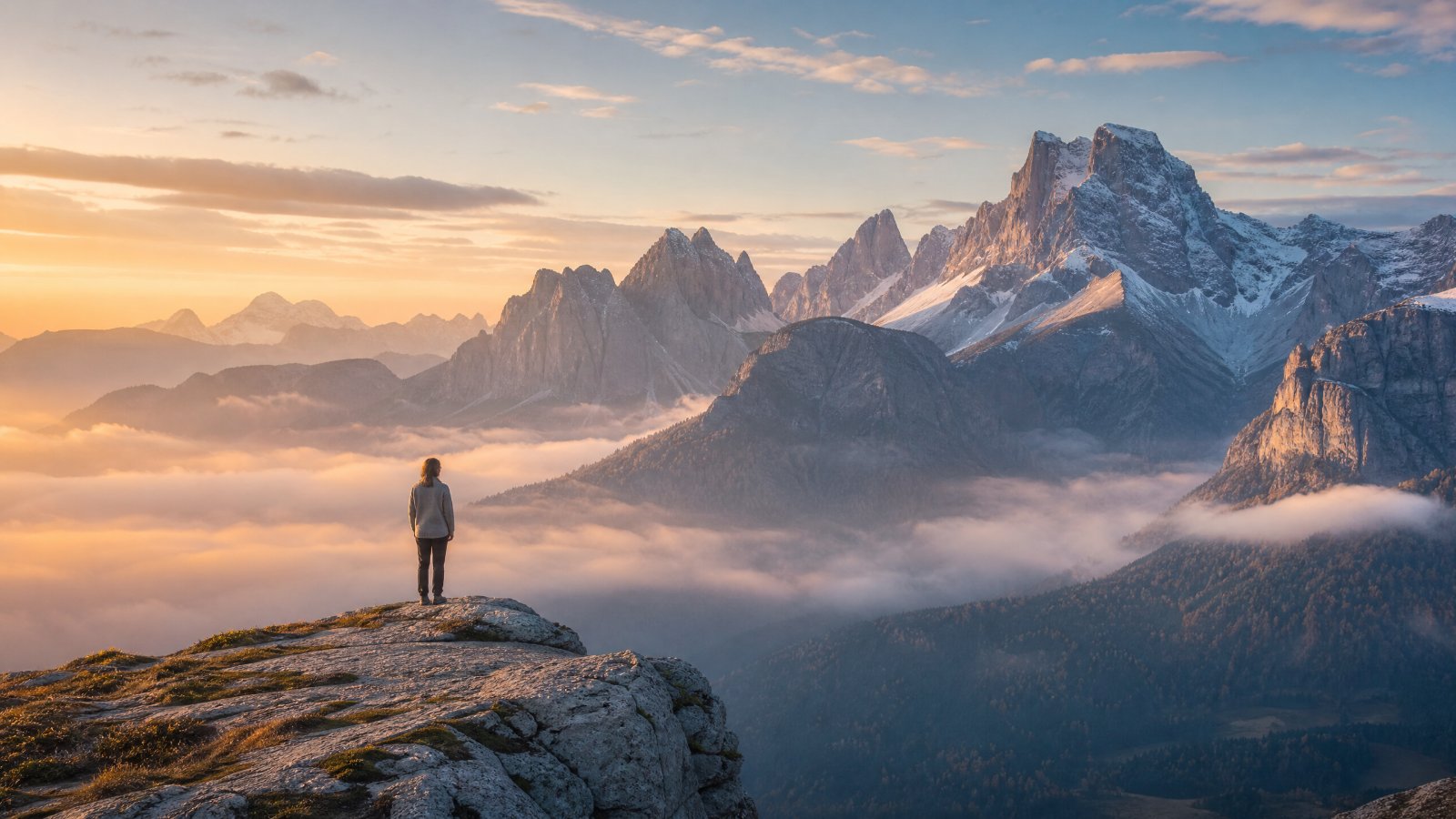
The mechanism has a name: awe. Not the casual use of the word — "awesome brunch" — but the specific emotional state psychologists define as the response to something so vast, in scale or complexity, that it doesn't fit the mental models you walked in with. A canyon does this. A mountain ridge at altitude does this. So does a night sky, a glacier, a 900-year-old forest canopy. The vastness forces what researchers call accommodation — the mind restructuring itself to make room for something bigger than its existing frame. That restructuring is where the physiological effects begin.
The Small Self Effect
Dacher Keltner and Jonathan Haidt's foundational work on awe identified a consistent psychological signature: in the presence of vastness, the sense of self shrinks. People report feeling smaller, quieter, less centrally important to the scene in front of them — what's since been termed the "small self" effect. This isn't a metaphor. Follow-up studies using self-report scales and behavioral measures have found that awe reliably reduces self-focus and increases the likelihood of prosocial behavior in the minutes that follow.
What makes this relevant to a nervous system already running on inflammation, cortisol, and rumination is what the self-focus was doing in the first place. Chronic stress keeps attention locked on the self — its threats, its unresolved loops, its next obligation. A landscape large enough to interrupt that loop isn't a pleasant distraction. It's a forced exit from a cognitive pattern that, left running, has measurable physiological cost.
Where the Default Mode Network Goes Quiet
The self-focused rumination described above has a specific neural home: the Default Mode Network, a set of interconnected brain regions — medial prefrontal cortex, posterior cingulate, angular gyrus — that activates when the mind isn't engaged with an external task and defaults instead to self-referential thought. It's the network responsible for replaying an argument from three days ago or rehearsing tomorrow's difficult conversation. Overactivity in the DMN is a consistent finding in research on anxiety and depressive rumination.
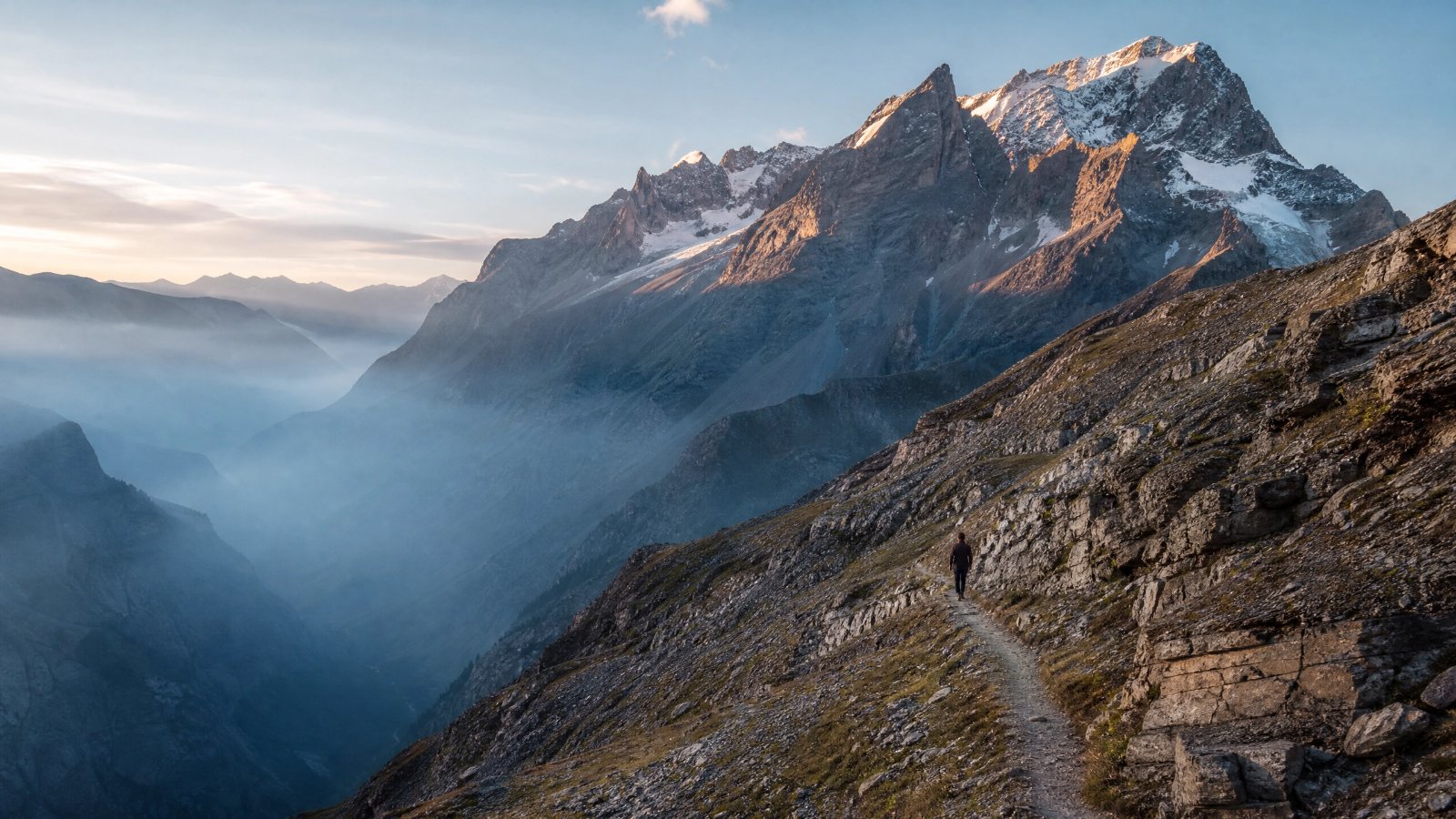
Awe-inducing stimuli are among the few reliable ways to quiet it. Neuroimaging work on nature exposure — most notably from Gregory Bratman's lab at Stanford — has found reduced activity in the subgenual prefrontal cortex, a DMN-associated region linked to rumination, after a walk through a natural setting compared to an urban one. The effect scales with the intensity of the natural stimulus. A city park does something. A ridge line above the treeline, with sightlines running for miles, appears to do considerably more.
The Inflammation Connection
The physiological story doesn't end at mood. A widely cited 2015 study led by Jennifer Stellar found that dispositional awe — the tendency to experience awe more frequently in daily life — correlated with lower levels of interleukin-6, a proinflammatory cytokine implicated in a long list of chronic conditions, from cardiovascular disease to depression. The proposed pathway runs through the same self-focus reduction described above: less rumination, lower sympathetic nervous system activation, less of the low-grade inflammatory signaling that chronic stress sustains.
None of this means a week overlooking a mountain range substitutes for medical care. It means the landscape isn't incidental to a wellness programme built around it. It's doing measurable, specific physiological work — work that a gym, a spa circuit, or a well-designed itinerary indoors simply cannot replicate.
Building a Retreat Around the View
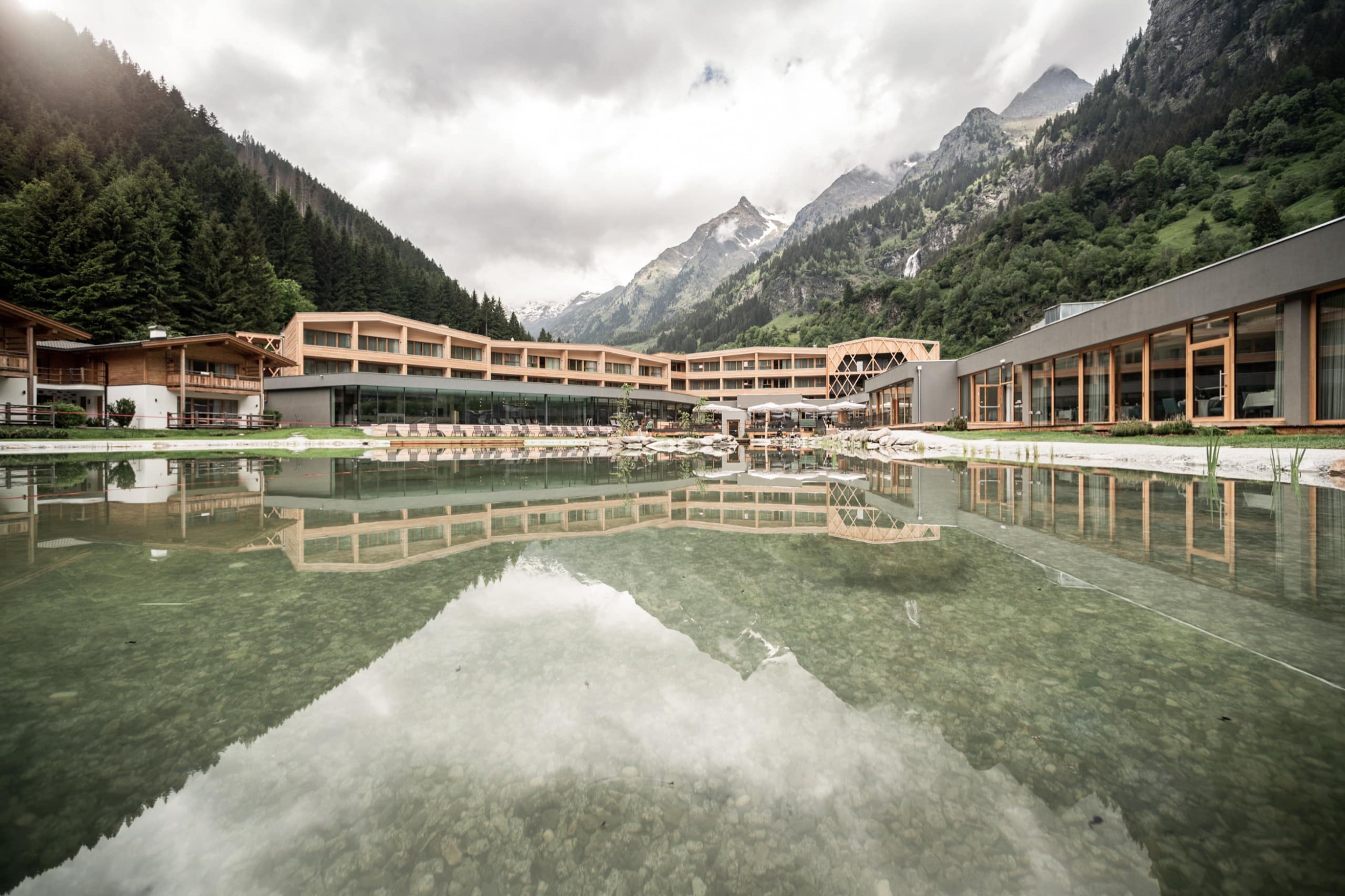
The properties that understand this design their programming around exposure, not amenity. At Preidlhof, in South Tyrol's Vinschgau valley, the daily programme of guided mountain hiking is structured to put guests at elevation and in open sightlines for sustained stretches, not just a scenic detour between spa appointments — the Alpine terrain itself functions as a deliberate part of the day's architecture, alongside the resort's hydrotherapy circuit and Alpine botanical programme.
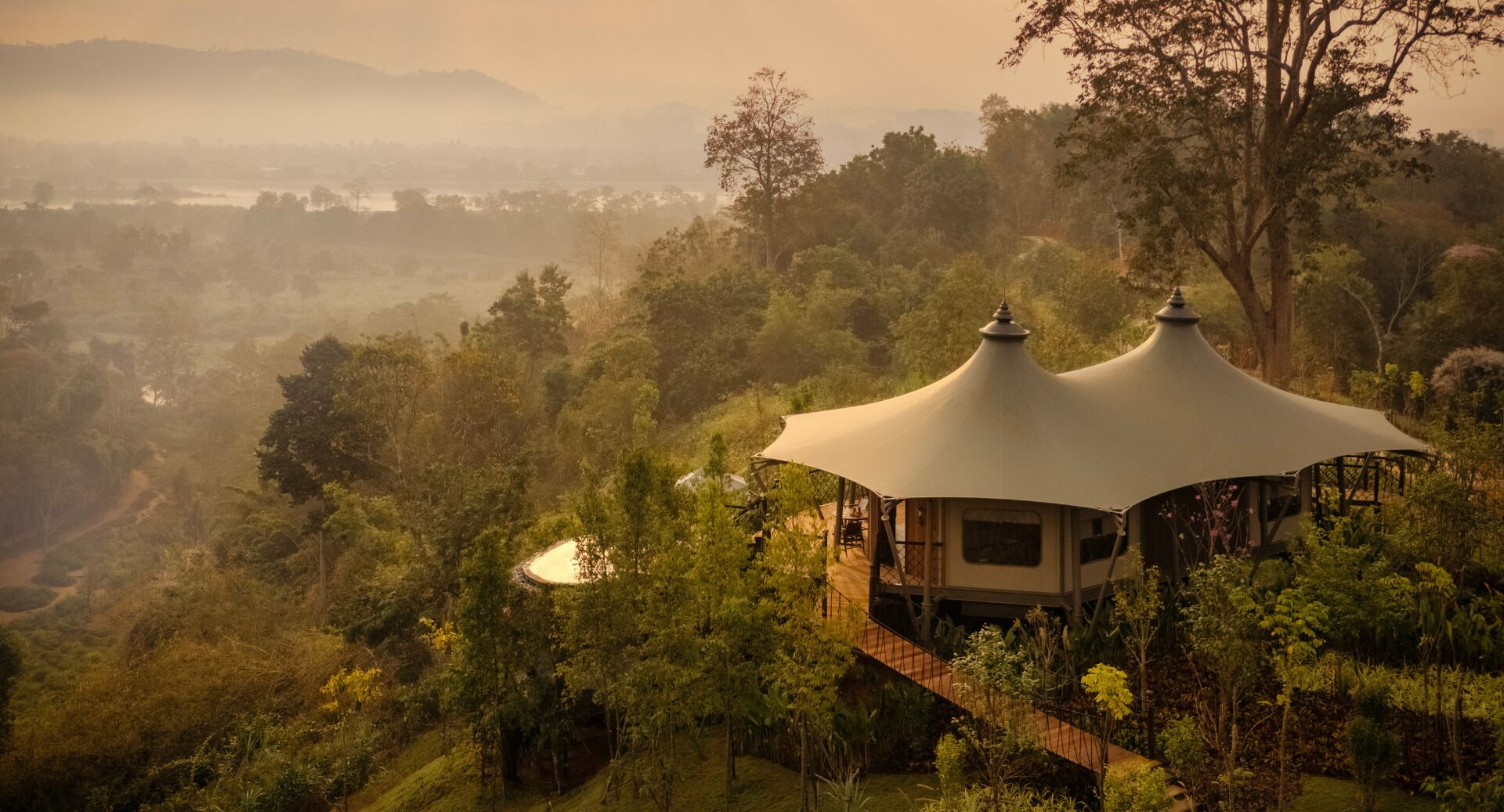
Ananda in the Himalayas takes a different version of the same principle. Set in the foothills above Rishikesh, with the Ganges valley below and sal forest and mountain ridgelines rising on either side, the property's Ayurvedic and yogic programming happens inside a landscape that was already understood, long before neuroscience had a name for it, as a setting suited to restructuring the mind. The scale of the Himalayan foothills does work that no interior programme, however well designed, can substitute for.
What This Means for Choosing a Retreat
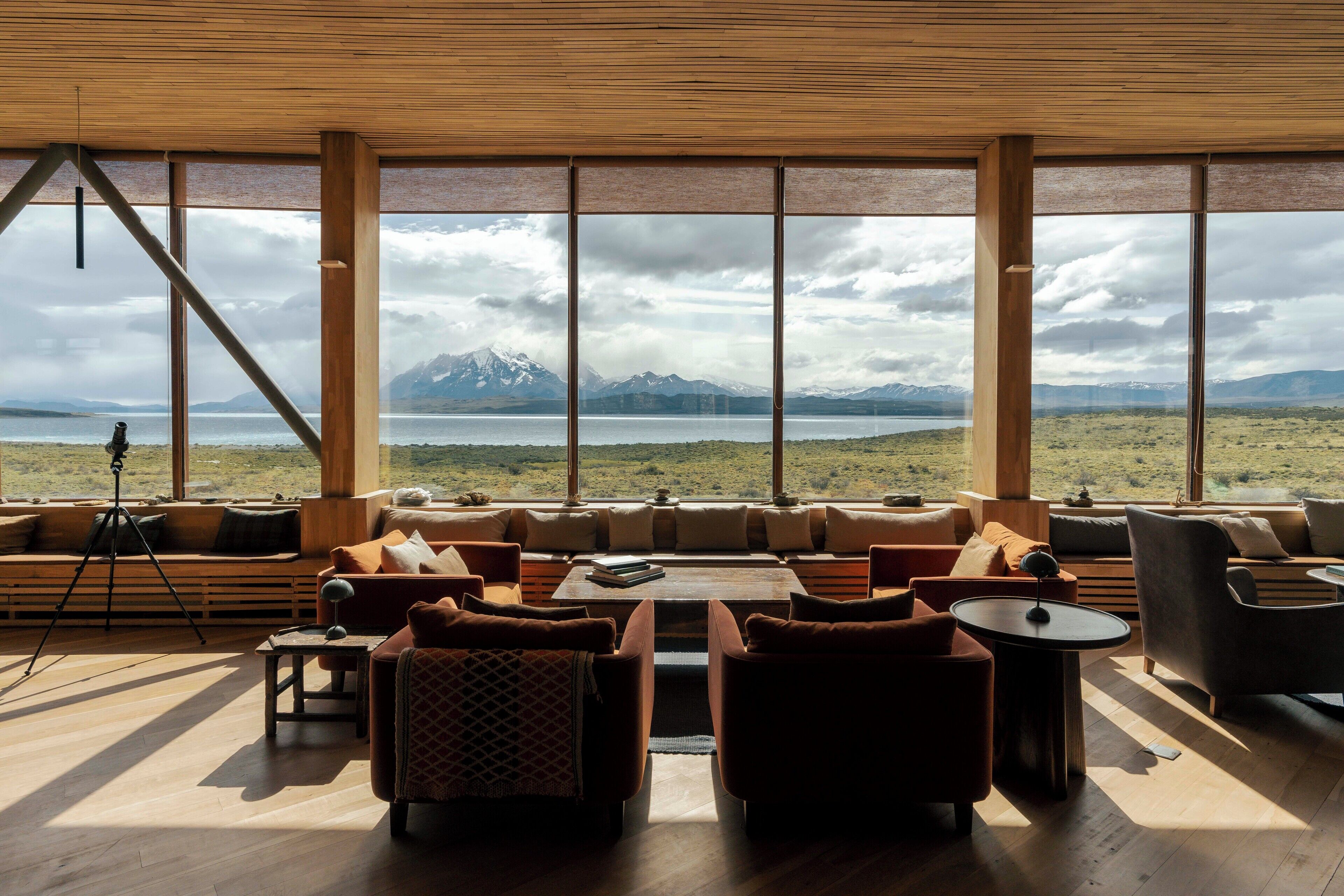
If the science holds — and the DMN and inflammation findings above are among the more robust in the awe literature — then a property's setting isn't just an aesthetic preference. It's a variable worth weighing as seriously as practitioner credentials or programme structure. A resort tucked into a valley with genuine sightlines to distant ridgelines is offering something a well-appointed property in flatter, more enclosed terrain cannot: a setting that many guests find calming.
Does looking at a landscape actually lower stress hormones, or is that just a subjective feeling?
Both. Subjective reports of calm after exposure to vast natural scenes are consistently paired with measurable markers — reduced activity in DMN-associated brain regions, and in some studies, lower cortisol and proinflammatory cytokine levels. The feeling and the physiology track together, which is part of why awe researchers treat it as a distinct, measurable emotional state rather than generic relaxation.
Do you need mountains specifically, or does any large natural scene work?
Vastness is the operative variable, not altitude specifically. Oceans, canyons, old-growth forest canopies, and night skies have all been used in awe research with comparable effects. Mountain terrain tends to combine several awe triggers at once — scale, physical exertion, elevation, and often solitude — which is likely why mountain settings show up disproportionately often in the retreat context.
How much exposure is needed to see an effect?
Bratman's nature-walk studies found measurable DMN changes after a single 90-minute walk in a natural setting versus an urban one. That's a low bar. A multi-day stay in genuinely vast terrain, with repeated exposure, is a considerably larger dose than the research designs that first identified the effect.
For more on how mountain terrain factors into a wellness itinerary, see our guide to mountain retreats, or browse the wider case for landscape-driven programming in our nature retreats collection.