

Best Wellness Retreats in India
Curated wellness retreats & holistic sanctuaries in India — handpicked for mind, body, and earth.
2 properties
Wellness retreats in India offer access to Ayurveda and yoga at their source — with a clinical depth that hotel-spa versions elsewhere cannot replicate. Ananda in the Himalayas delivers classical Ayurvedic medicine and yoga from a maharaja's estate above Rishikesh — read our Ananda in the Himalayas review for programme detail. Six Senses Vana in the Doon Valley draws on Ayurveda, Tibetan healing traditions, and holistic wellness through a team of resident practitioners working within twenty-one acres of ancient sal forest. For anyone serious about Panchakarma, yoga immersion, or medically supervised rejuvenation, India remains the reference point.
Why India for Wellness
India's claim on wellness travel is not cultural marketing — it is historical fact. Ayurveda is a documented medical system with a written literature spanning three thousand years; classical yoga emerged from the same philosophical tradition and was first codified in the Yoga Sutras around two millennia ago. The practitioner lineages available in India — particularly in the Himalayan foothills and Kerala — represent accumulations of knowledge and technique that no amount of resort investment elsewhere can replicate. Coming to India for Ayurveda or yoga means engaging with these traditions in the environment that produced them, taught by practitioners whose training is generational rather than curricular.
The dominant wellness traditions available in India are Ayurveda and yoga in their classical forms, alongside Tibetan medicine in the Himalayan north. Ananda in the Himalayas operates one of the most medically rigorous Ayurveda retreats in the world, with programmes designed by qualified vaidyas (Ayurvedic physicians) that follow classical Panchakarma protocols — not abbreviated spa versions. Six Senses Vana extends this base into a broader integrative wellness philosophy, incorporating Tibetan healing arts and modern diagnostics alongside its Ayurvedic core. Both properties require a minimum stay of seven nights for their primary programmes.
India is best suited to wellness travellers who want depth over breadth — those who are prepared to commit to a programme, follow dietary guidance, and accept that genuine Ayurvedic treatment involves work on the part of the guest, not merely passive treatment. It is particularly well-suited to those with specific health concerns: Panchakarma is an active medical intervention with clinical applications in conditions ranging from digestive disorders to musculoskeletal complaints, arthritis, and stress-related illness. Couples are well accommodated at both Ananda and Vana; solo travellers report the structured daily schedule makes the experience especially rewarding.
The optimal season for a wellness retreat in India's Himalayan north (Rishikesh, Dehradun) is October to April, when the weather is cool and clear and the valley landscapes are at their most vivid. The pre-monsoon months of March and April are particularly beautiful. Summer (May to September) brings heat to the valley and the monsoon from June onwards, which some travellers find restorative in itself — though outdoor activities are more limited. The Himalayan retreats operate year-round; check with each property for any seasonal programme adjustments.
2 properties in India
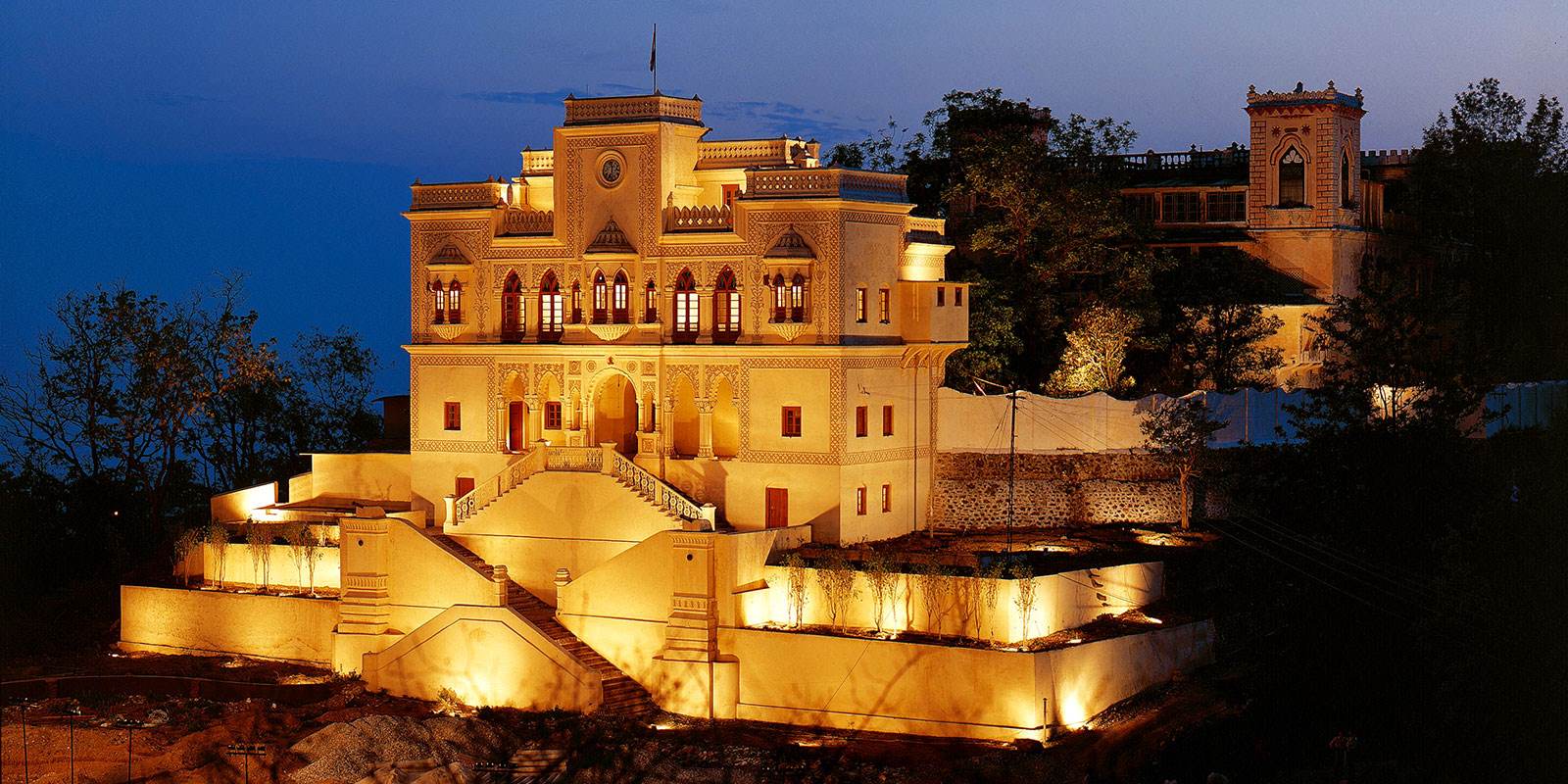
Ananda in the Himalayas
★4.6Rishikesh, India
From $500 / night
On a maharaja's estate above Rishikesh, Ananda in the Himalayas pairs colonial-palace grandeur with classical Ayurveda, yoga, and Vedanta programmes.
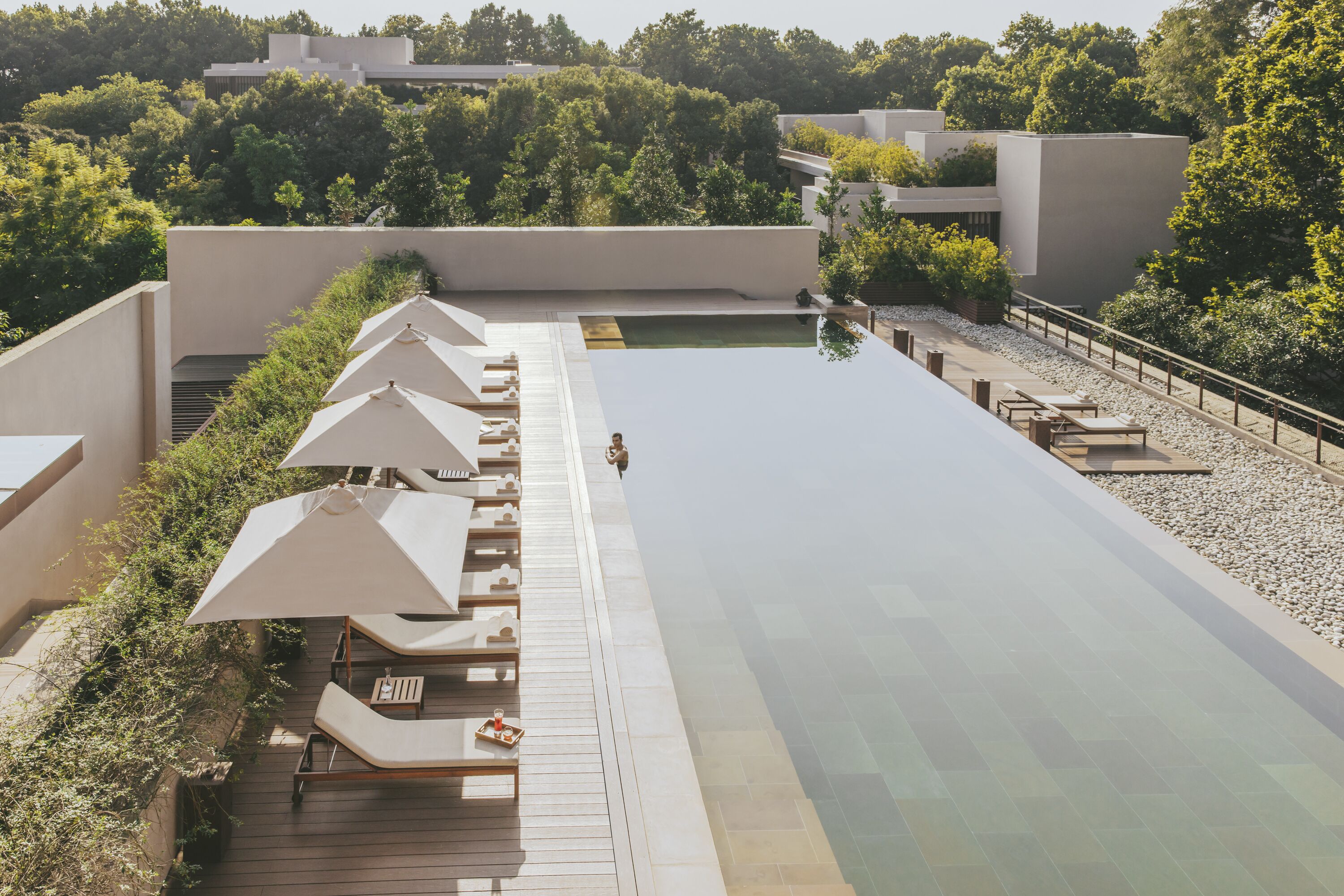
Six Senses Vana
★4.0Dehradun, India
From $550 / night
In the Doon Valley at the base of the Mussoorie Hills, Vana Malsi Estate occupies twenty-one acres of sal forest devoted to Ayurveda and Tibetan medicine.
Planning Your India Wellness Retreat
The primary gateway for the north Indian wellness retreats is Delhi Indira Gandhi International Airport, which receives direct flights from major European hubs (London, Paris, Frankfurt, Amsterdam) as well as East Asia and North America. From Delhi, Ananda in the Himalayas is approximately six hours by road through the Himalayan foothills via Rishikesh; the property also arranges helicopter transfers that reduce this to around 45 minutes. Six Senses Vana in Dehradun is approximately five hours by road or 30 minutes by helicopter. Both properties arrange transfers from Delhi; confirm all logistics at booking, as road conditions in the foothills can vary seasonally. The Indian Rupee is the local currency; retreat charges for international guests are typically quoted in USD.
For Ayurvedic Panchakarma, the minimum clinically meaningful stay is seven nights — the point at which the primary cleansing and rejuvenation phases of the protocol complete their initial cycle. Most vaidyas recommend fourteen to twenty-one days for the programme to produce lasting physiological results, particularly for guests with specific health conditions. Yoga retreat formats are more flexible, with meaningful visits possible from five nights. If you are travelling specifically for a medical Ayurvedic programme, allow extra days at the beginning to acclimatise and undergo the initial consultation and dietary adjustment, and at the end before long-haul travel — the post-Panchakarma period requires rest and dietary care that air travel disrupts.
What is the best Ayurveda retreat in India?
Ananda in the Himalayas near Rishikesh is widely considered India's finest Ayurvedic retreat at luxury standard — offering classical Panchakarma programmes designed by qualified vaidyas in a maharaja's palace estate above the Ganges. Six Senses Vana in Dehradun takes a broader integrative approach, combining Ayurveda with Tibetan healing traditions and modern wellness science within a twenty-one-acre sal forest. Both require a minimum of seven nights for their primary Ayurvedic programmes and deliver a standard of clinical depth unavailable at hotel-spa Ayurveda programmes outside India.
How long should I stay at an Ayurveda retreat in India?
The minimum meaningful duration for a classical Panchakarma programme is seven nights — enough to complete the preparatory (purvakarma), primary cleansing, and initial post-treatment phases. Most Ayurvedic physicians recommend fourteen to twenty-one nights for the programme to produce lasting change, particularly for guests with specific health conditions or those seeking deep rejuvenation. Shorter visits of three to five nights can introduce Ayurvedic practices and provide initial treatment benefit, but do not constitute a complete Panchakarma course.
Is India good for wellness retreats for couples?
India is an excellent destination for couples seeking a genuinely shared wellness experience. Both Ananda in the Himalayas and Six Senses Vana offer couple-specific programme options alongside their individual wellness tracks, including shared treatments, partner yoga sessions, and consultations that address both guests' health priorities within an integrated stay. The cultural richness of the Himalayan foothills — the Ganges at Rishikesh, the temple towns of Haridwar, the mountain landscapes of Uttarakhand — adds a travel dimension that enriches the stay beyond the retreat itself.