The Word Itself
Ayurveda comes from the Sanskrit ayur (life) and veda (knowledge). It is the knowledge of life — a complete system of medicine that has been practised in India for at least 5,000 years and formally codified in texts like the Charaka Samhita around 400 BCE.
It is not a set of herbal supplements. It is not a detox diet. It is not an aesthetic.
The Three Doshas
At the heart of Ayurveda is the concept of the three doshas — Vata, Pitta, and Kapha — constitutional types that govern different physiological and psychological functions.
Vata (air and space) governs movement, circulation, and the nervous system. Vata-dominant people tend to be creative, quick-thinking, and easily overstimulated. When Vata is imbalanced: anxiety, insomnia, constipation, dry skin.
Pitta (fire and water) governs metabolism, digestion, and transformation. Pitta-dominant people tend to be focused, driven, and intense. When Pitta is imbalanced: inflammation, irritability, acid reflux, perfectionism.
Kapha (earth and water) governs structure, stability, and lubrication. Kapha-dominant people tend to be calm, loyal, and methodical. When Kapha is imbalanced: lethargy, weight gain, congestion, attachment.
Most people are a combination of two doshas, with one predominant.
A Genuine Ayurvedic Assessment
A proper Ayurvedic consultation — called nadi pariksha or pulse diagnosis — is conducted by a vaidya (Ayurvedic physician) who reads your radial pulse with three fingers to assess the state of all three doshas. This is not a quiz on the internet.
The consultation covers your prakriti (constitutional nature, fixed at birth) and your vikriti (current imbalance, which changes with season, stress, age, and lifestyle). The plan addresses both.
Panchakarma: What the Cleanse Involves
Panchakarma is Ayurveda's signature detoxification programme — a sequence of procedures that Ayurveda describes as removing accumulated ama (metabolic waste) from the tissues. A proper programme lasts 7–21 days and includes:
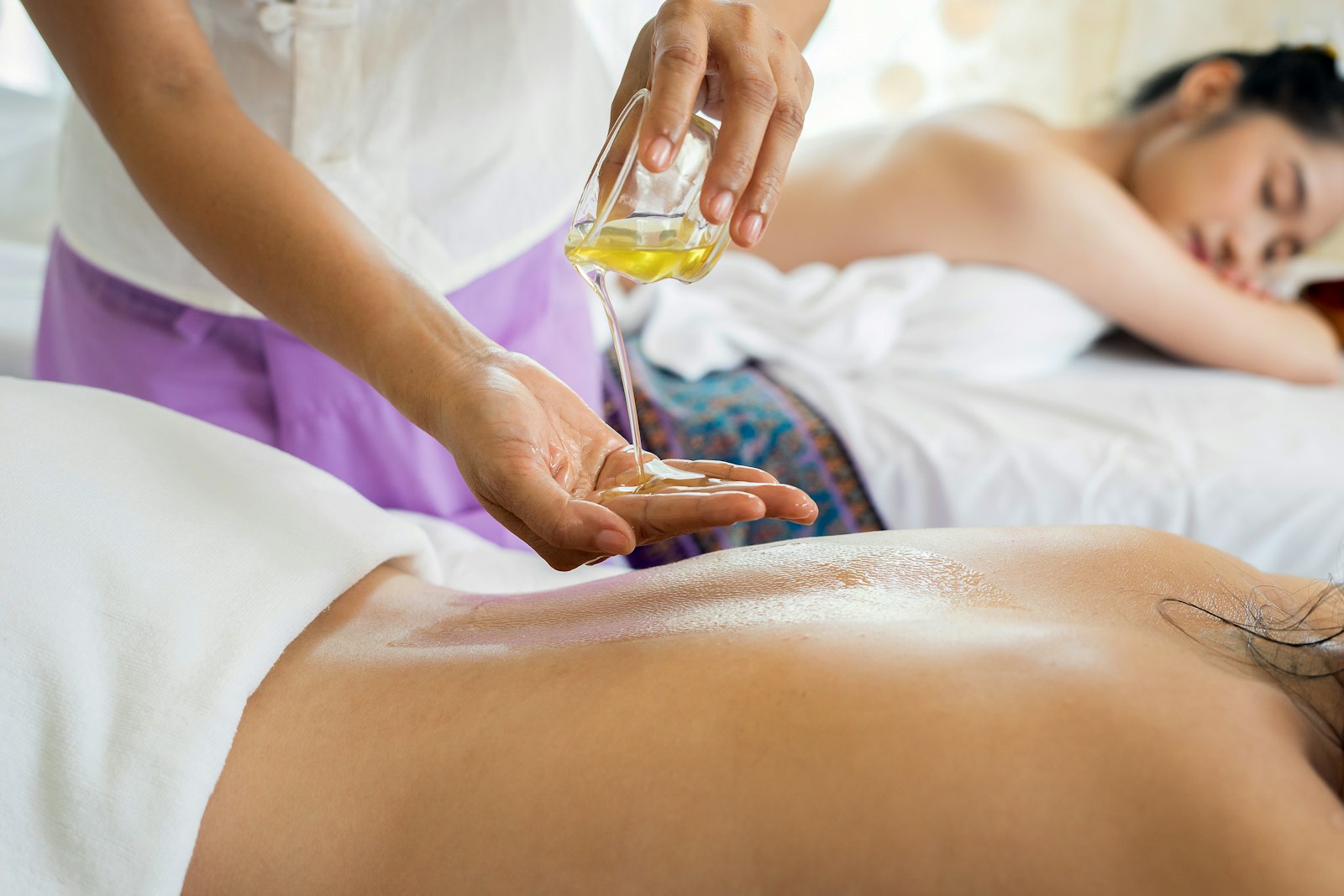
- Abhyanga — full-body warm oil massage, performed by two therapists in synchrony
- Shirodhara — a continuous stream of warm oil poured over the forehead, profoundly calming to the nervous system
- Virechana — medicated purgation to clear excess Pitta from the small intestine
- Basti — medicated enemas to clear Vata from the colon
This is a medical-grade programme, not a spa day. The after-effects — clarity of mind, lightness in the body, improved sleep — can be remarkable.
How to Begin at Home
Before booking a retreat, a few daily practices worth starting:
- Drink warm water in the morning before anything else — 2–3 cups.
- Eat your largest meal at midday, when digestive fire is strongest.
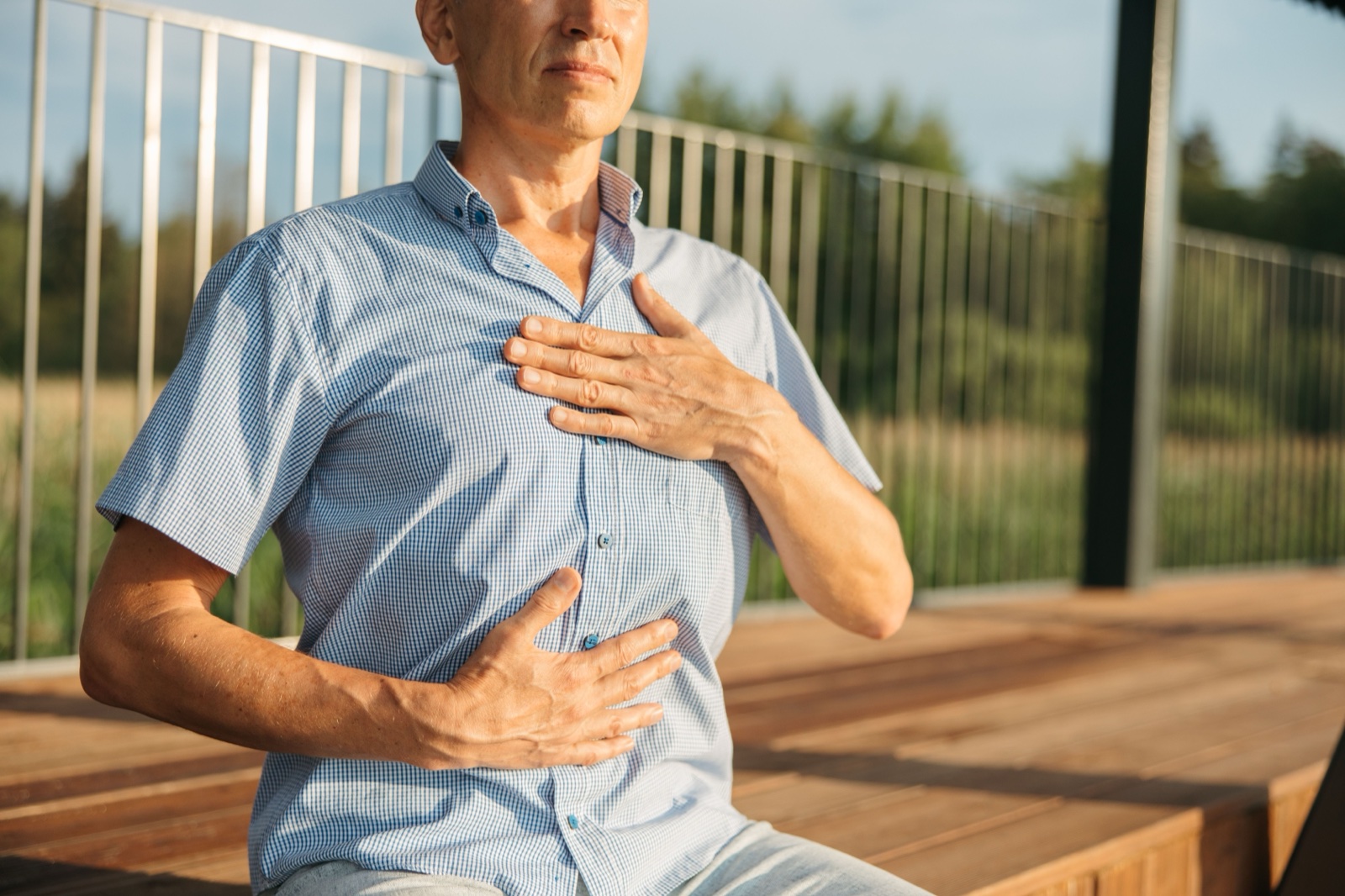
- Oil pull with sesame or coconut oil for 5 minutes each morning.
- Sleep before 10pm — Kapha time, when the body repairs.
- Abhyanga at home — warm sesame oil, self-massage before your morning shower.
Where to Experience Proper Ayurveda
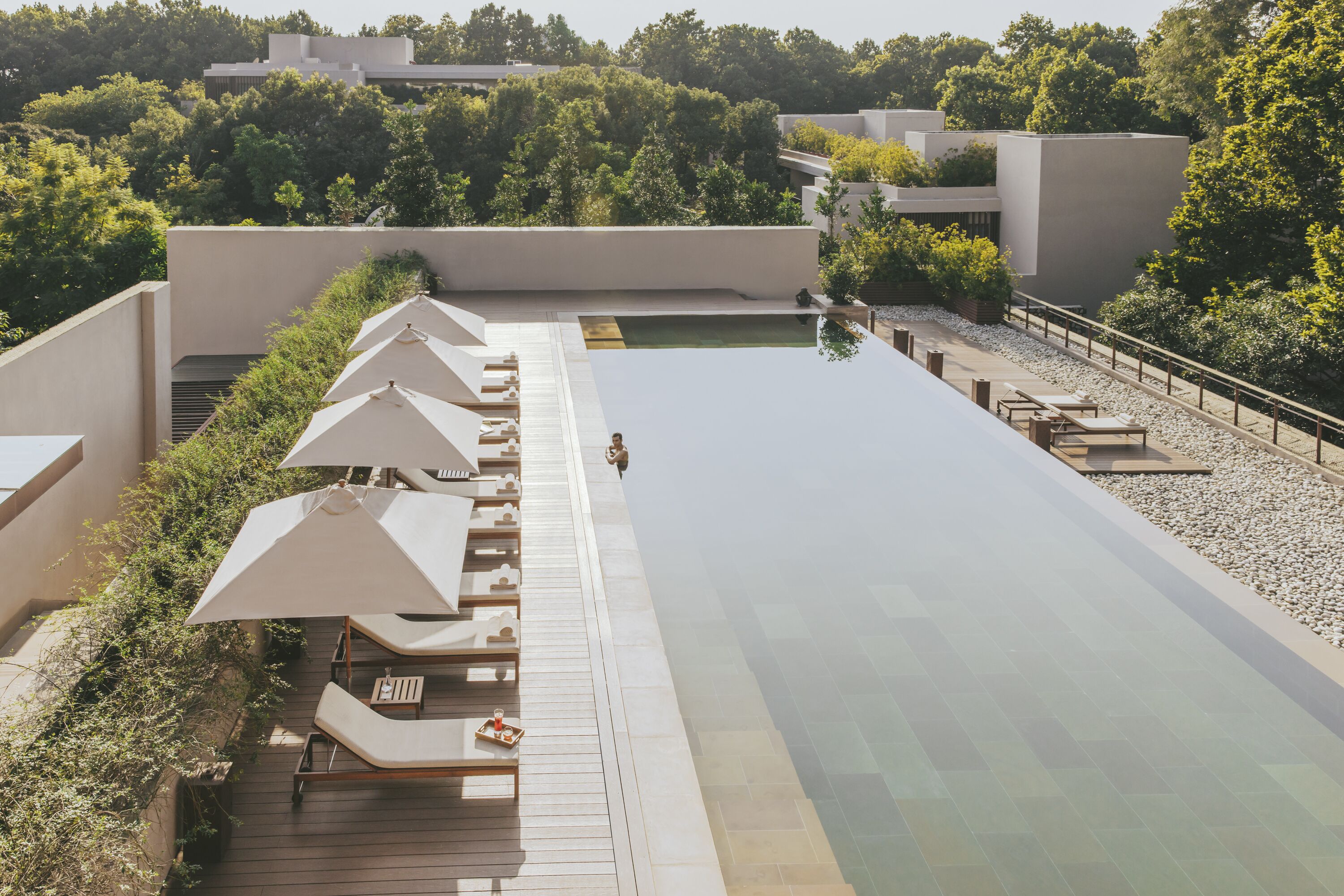
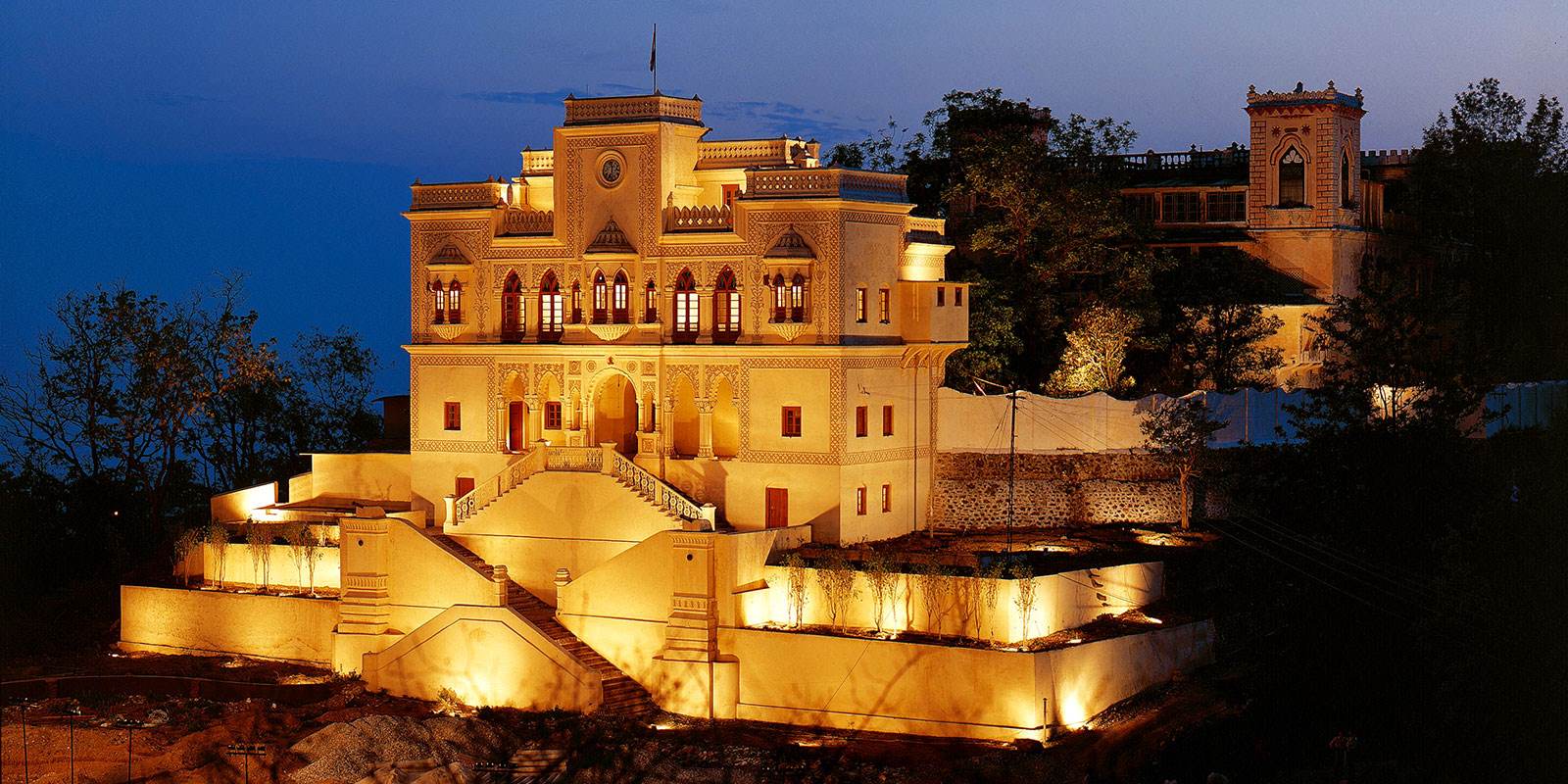
Kerala, India, is the home of classical Ayurveda and remains the best place to experience it properly. Ananda in the Himalayas is an Ayurvedic retreat in India. Sri Lanka also has an excellent tradition. In India, Six Senses Vana in Dehradun offers physician-led Ayurvedic programmes. Look for centres with qualified vaidyas, not just trained spa therapists.
Frequently Asked Questions
What is Ayurveda in simple terms?
Ayurveda is a traditional Indian system of medicine and wellbeing that views health as a balance between mind, body, and environment. It identifies three constitutional types (doshas) — Vata, Pitta, and Kapha — and prescribes diet, lifestyle, and practices to maintain or restore balance. Unlike Western medicine, Ayurveda is preventive and holistic rather than symptom-focused.
Do I need to believe in Ayurveda for it to work?
No belief is required, but openness helps. Many Ayurvedic practices — therapeutic diet, herbal medicine, massage, yoga, and meditation — have independent scientific support. The dosha framework is a useful self-knowledge tool regardless of whether you accept its metaphysical foundations. What matters is whether the prescribed practices produce measurable improvements in how you feel.
Where can I experience authentic Ayurveda rather than spa-style Ayurveda?
Authentic Ayurveda requires qualified vaidyas (Ayurvedic physicians) conducting consultations and prescribing protocols. Ananda in the Himalayas, Somatheeram, and Kalari Kovilakom in Kerala all employ resident Ayurvedic doctors. Browse our guide to the best Ayurveda retreats in India for a full comparison.
How long does an Ayurveda programme need to be to see results?
Panchakarma — the deepest Ayurvedic detoxification — is often offered over 14 to 21 days. Introductory Ayurvedic wellness programmes of five to seven nights can address specific concerns (digestive health, stress, sleep) with meaningful results. Shorter stays of three nights provide a taste but rarely allow the body to fully respond to the programme.